On-Device AI Is Turning Smartphone Memory and Thermals Into Product Strategy
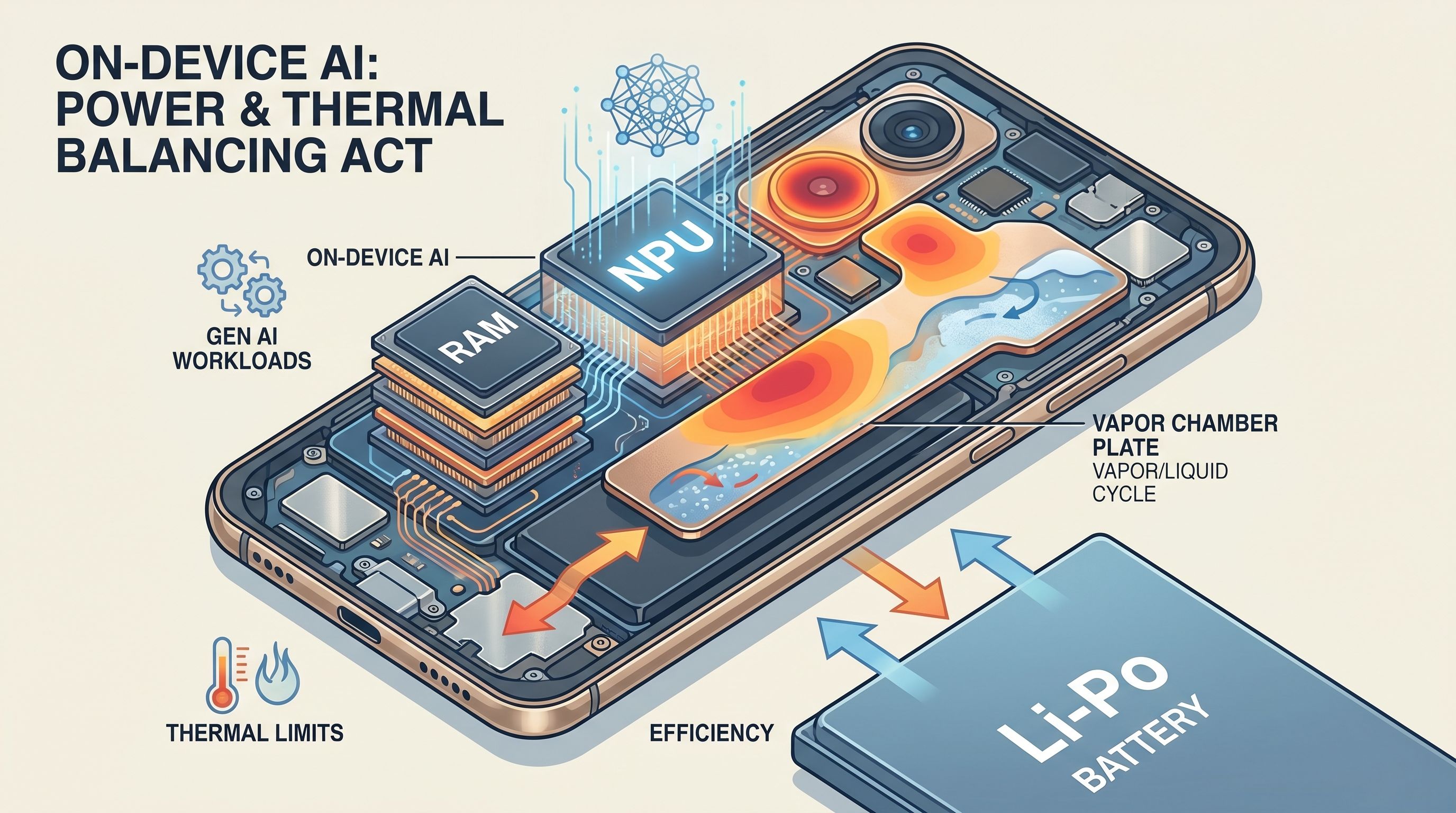
As AI features move onto phones, RAM, storage bandwidth, NPU integration, and thermal behavior are becoming core product decisions rather than hidden engineering details.
Latest articles on AI, technology, and software development.

As AI features move onto phones, RAM, storage bandwidth, NPU integration, and thermal behavior are becoming core product decisions rather than hidden engineering details.

Indoor buyers increasingly prefer Wi-Fi 7 because it fits existing devices, IT teams, and budgets better than private 5G in most office and campus environments.

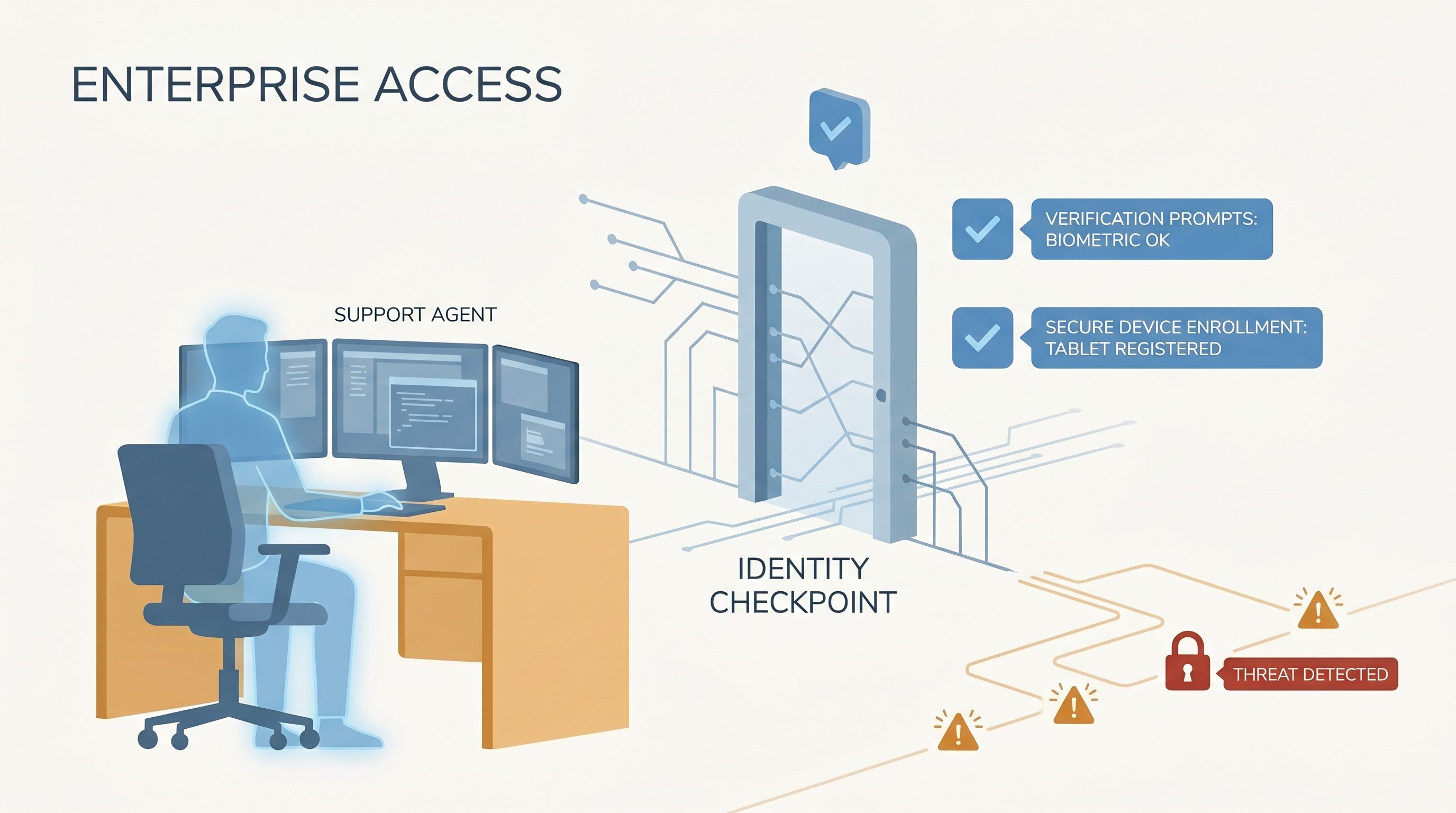
Support workflows now sit inside the identity perimeter. When account recovery and device enrollment are easier to exploit than login, attackers do not need to break authentication, they only need to persuade the help desk.

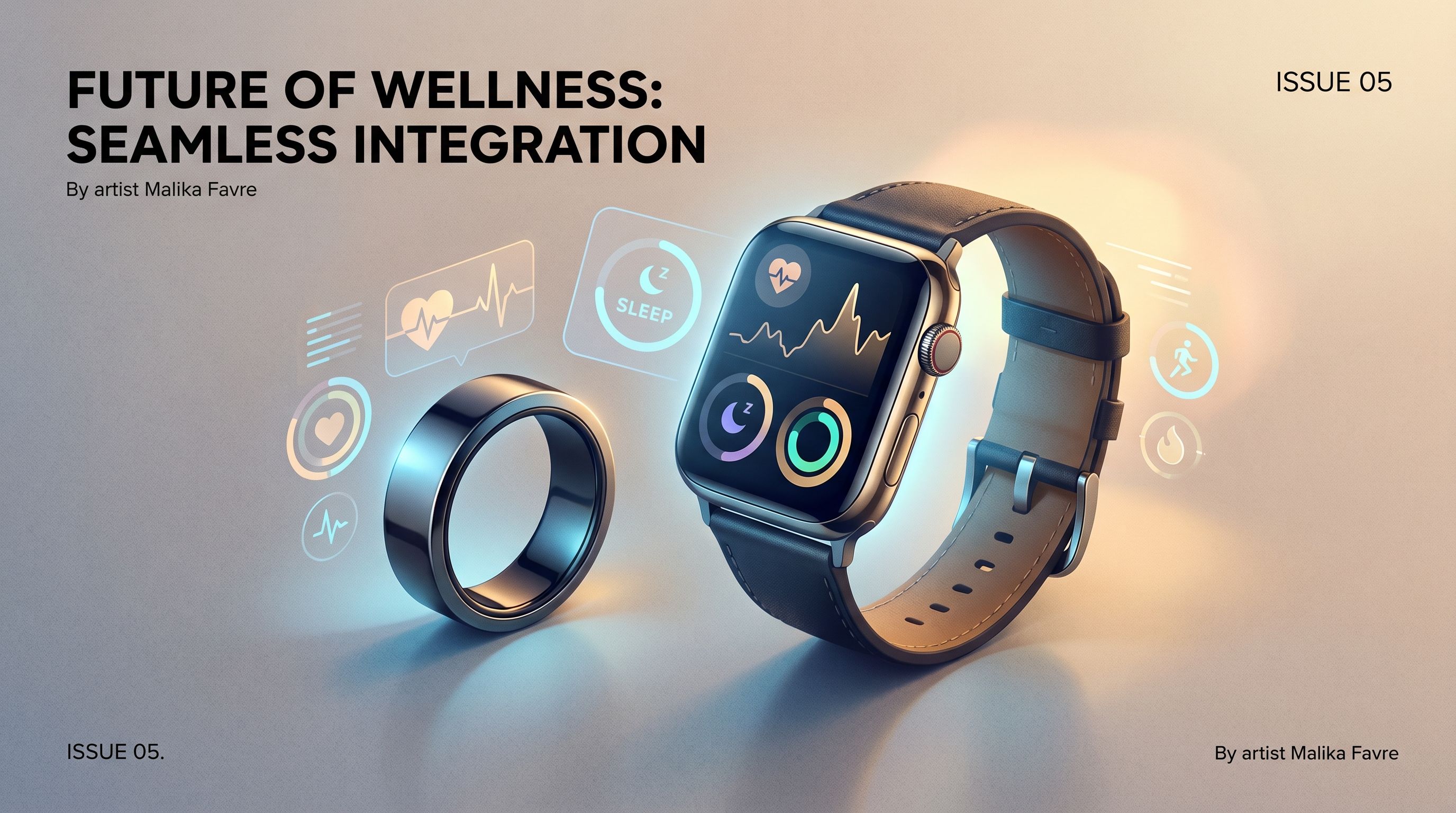
Smart rings are finding their place as passive, comfortable wearables that complement the active, screen-led strengths of smartwatches.

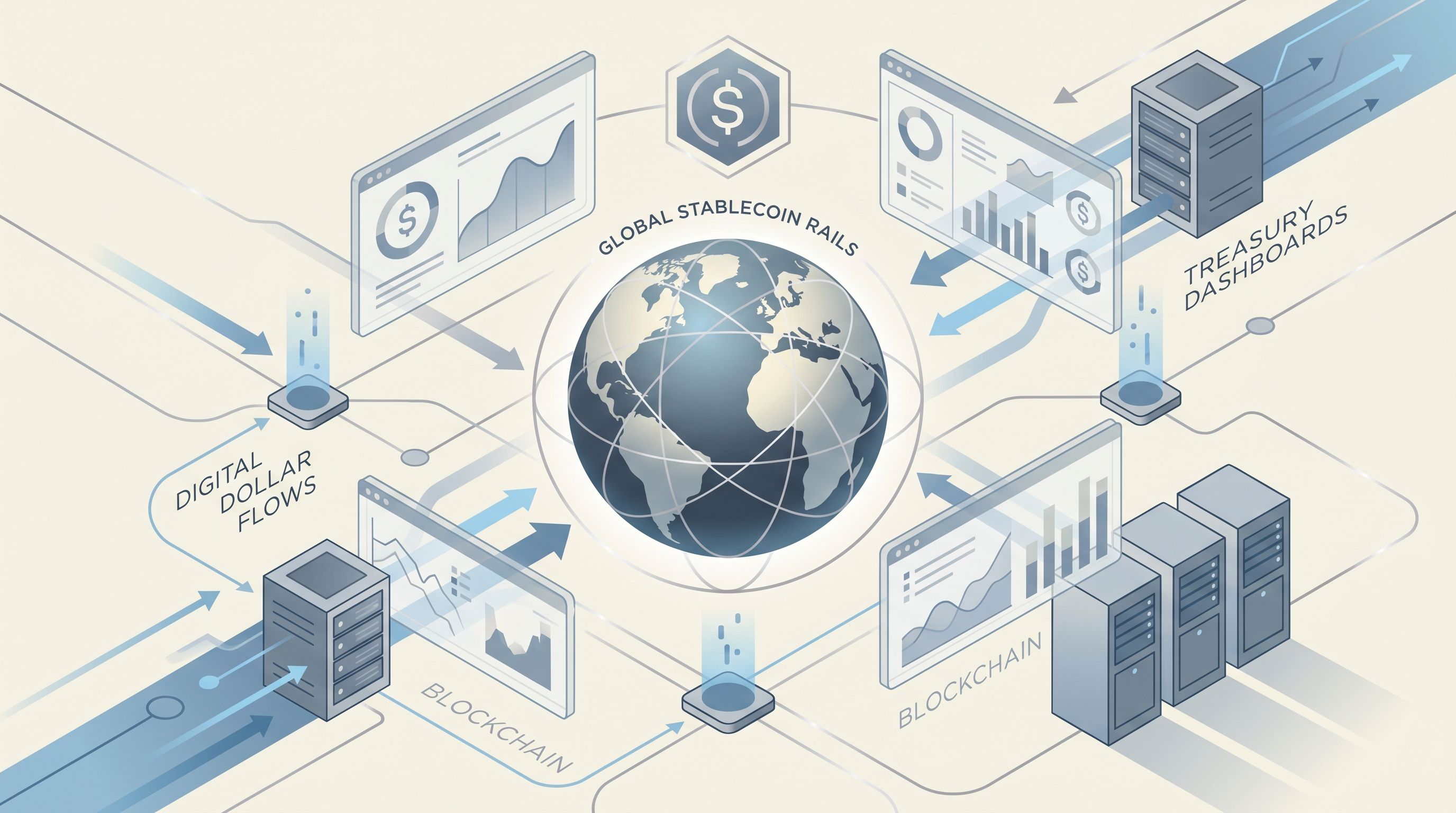
The center of gravity in crypto is shifting from speculative culture toward payment, treasury, and settlement infrastructure built around fiat-backed stablecoins and always-on money movement.

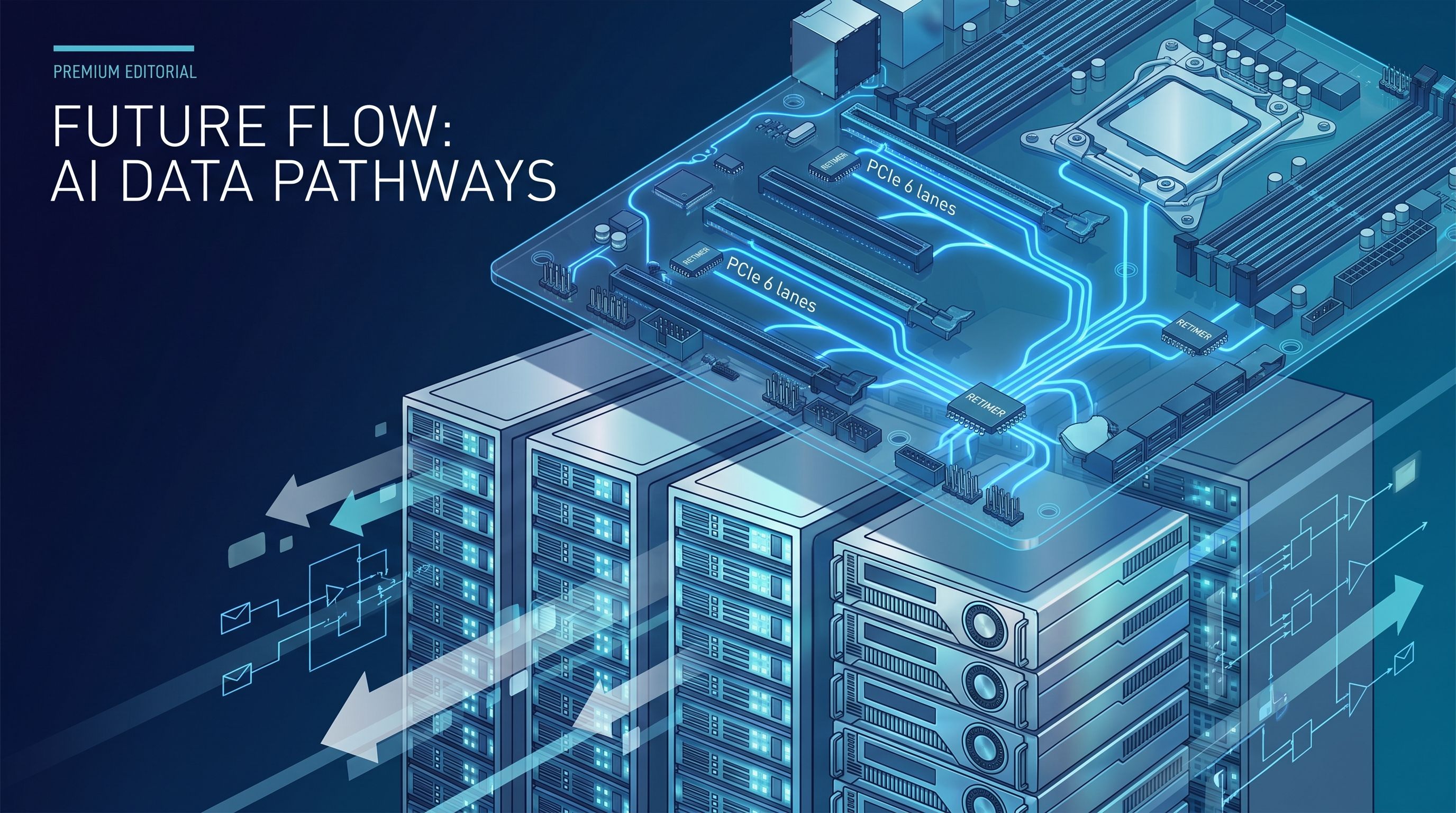
PCIe 6.0 brings much more bandwidth to AI platforms, but PAM4 signaling, board complexity, and CXL expansion are making retimers a central design constraint in modern server hardware.

Enterprise AI is shifting away from one-model strategies toward routing layers that decide which model, tool, and retrieval path should handle each task. That routing layer is quickly becoming the real operating system for automation.

Attackers increasingly do not need to break MFA or crack passwords when they can simply steal valid session tokens. As work moves deeper into browsers and SaaS, token theft, replay, infostealers, malicious extensions, and adversary-in-the-middle phishing are turning active sessions into one of the most abused paths to compromise.

Qi2 is turning magnetic charging from an Apple-specific convenience into a broader accessory standard. That shift matters for docks, car mounts, battery packs, stands, wallets, and bedside setups, even if Android compatibility is still messier than it should be.

The wallet market is dividing into polished consumer apps on one side and programmable infrastructure on the other. That split is reshaping custody, onboarding, stablecoin payouts, recovery, and the balance between convenience and sovereignty.

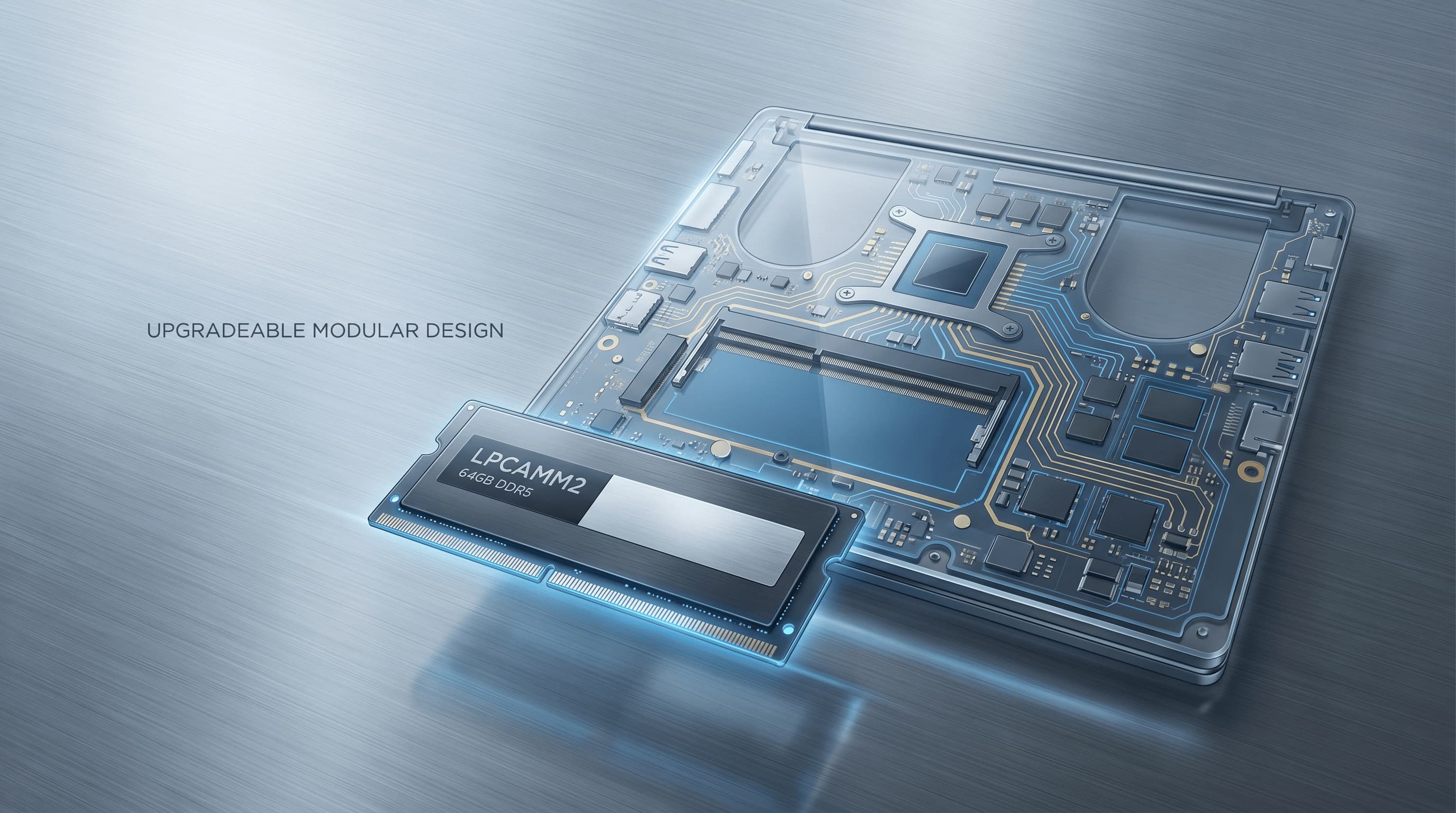
Thin laptops moved to soldered LPDDR for good engineering reasons, but it locked users into fixed RAM. LPCAMM2 offers a credible middle path, combining LPDDR-class efficiency with a removable module that better fits modern AI workloads, heavier browsers, and creative software.

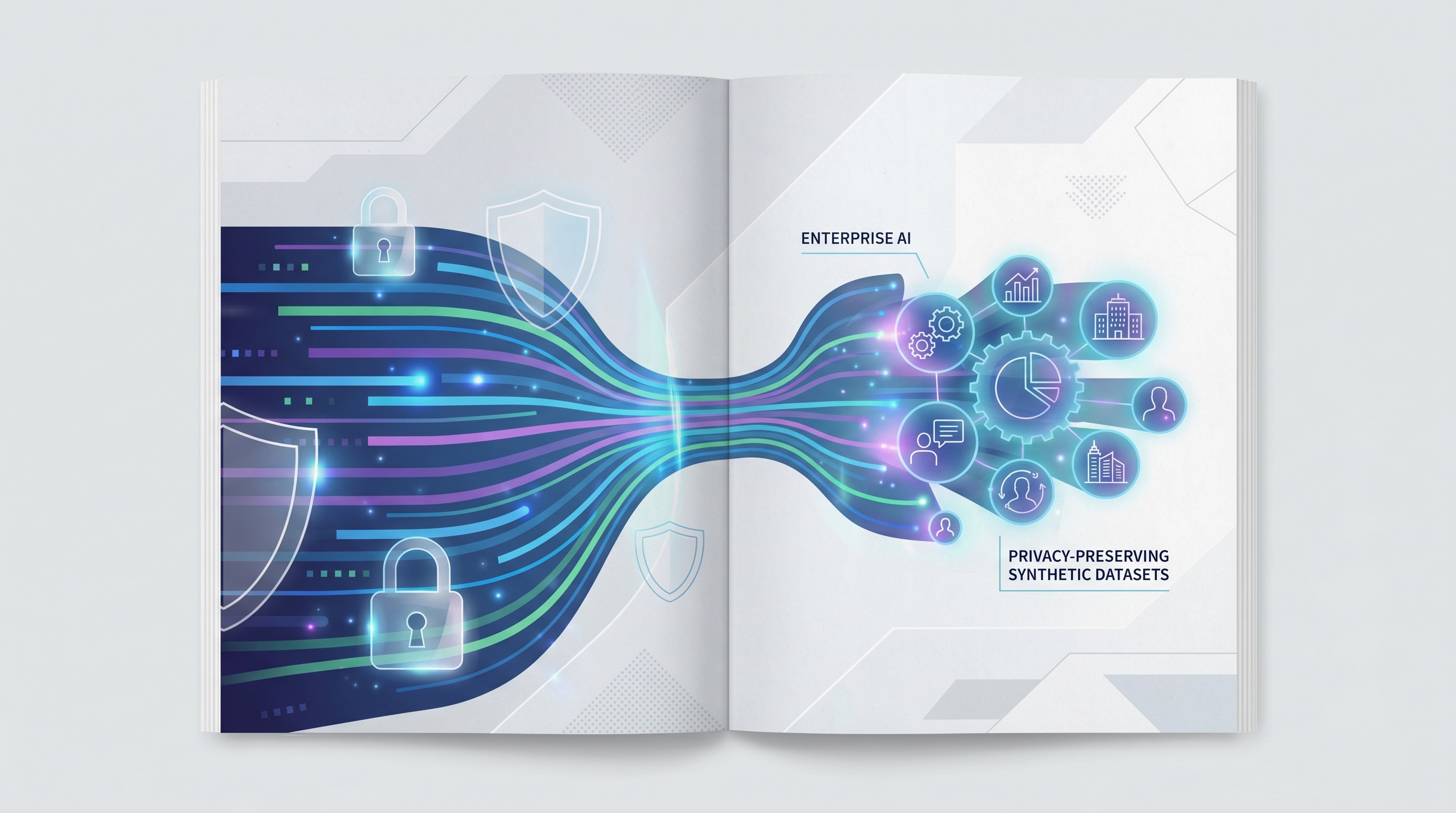
Synthetic data is no longer just a research topic. It is becoming a practical way for enterprises to train, fine-tune, test, and evaluate AI systems when real data is scarce, sensitive, expensive to label, or missing critical edge cases.