AIO APEX

Blog

Latest articles on AI, technology, and software development.

Three Years of JWST Science: The Discoveries That Changed What We Think We Know
Space & Exploration

Three Years of JWST Science: The Discoveries That Changed What We Think We Know

The James Webb Space Telescope has now been operating for more than three years. The results have not simply confirmed what astronomers expected — in several cases they have forced genuine revisions to models of galaxy formation, atmospheric chemistry, and the early universe. A summary of where the science has landed.

ESANASA
Commercial Moon Landers Are Finally Delivering — After a Rough Start
Space & Exploration

Commercial Moon Landers Are Finally Delivering — After a Rough Start

NASA's CLPS program was supposed to bring competition and cost efficiency to lunar surface access. Two years after the first crashes and partial failures, the program is producing real results. Here's what the commercial Moon lander industry actually looks like in 2026.

Space Debris Is a Growing Crisis — and the Industry Is Finally Taking It Seriously
Space & Exploration

Space Debris Is a Growing Crisis — and the Industry Is Finally Taking It Seriously

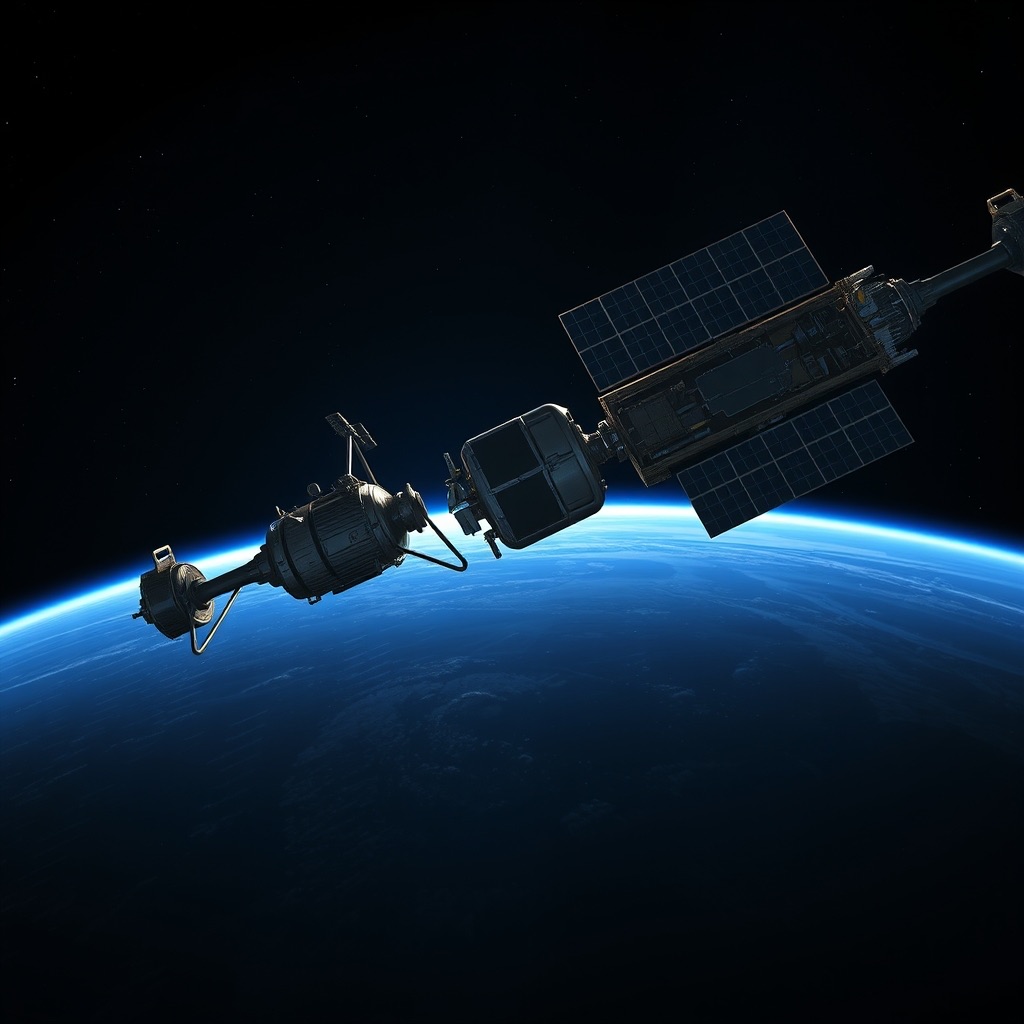
There are around 27,000 tracked objects in Earth orbit and an estimated 130 million fragments too small to catalog. The risk of a cascade failure that renders entire orbital shells unusable — Kessler syndrome — is no longer theoretical. Active debris removal is now a funded industry.

space-debrissatellite
After the ISS: The Race to Build Private Space Stations Before the 2030 Deorbit
Space & Exploration

After the ISS: The Race to Build Private Space Stations Before the 2030 Deorbit

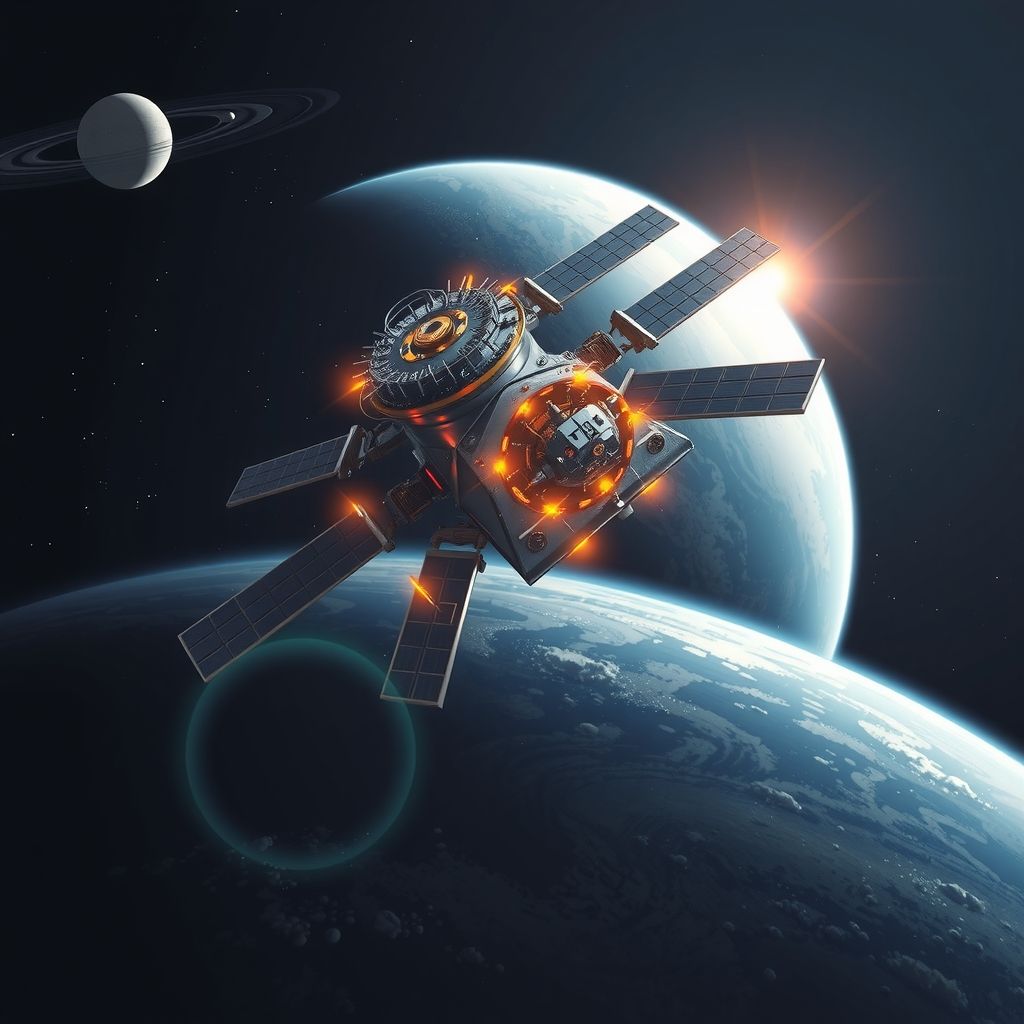
The International Space Station is scheduled for a controlled deorbit in 2030. NASA has already contracted with Axiom Space, Starlab, and Orbital Reef to replace it. What those replacements actually look like — and whether they'll be ready in time — is the story the space industry is watching most closely.

NASAISS
From Flags to Factories: How the Race to the Moon Became a Race to Stay
Space & Exploration

From Flags to Factories: How the Race to the Moon Became a Race to Stay

Artemis II brought four astronauts within 4,000 miles of the Moon in April 2026 — the first humans beyond Earth orbit since 1972. NASA then cancelled the Lunar Gateway and redirected $20 billion toward a surface base. Commercial landers are flying every few months. China has its own permanent base programme. The logic of the Moon has shifted from exploration to occupation.

moonlunar-economy