Developer Tools
Rust is becoming the default language for new command-line tools
Startup latency, memory safety, and single-binary distribution are pulling CLI tool development away from Go and Python toward Rust in 2026.
Rustdeveloper tools
Latest articles on AI, technology, and software development.
Startup latency, memory safety, and single-binary distribution are pulling CLI tool development away from Go and Python toward Rust in 2026.

What began as a transcription add-on is now the primary record of enterprise meetings, reshaping how teams track decisions, action items, and follow-ups.
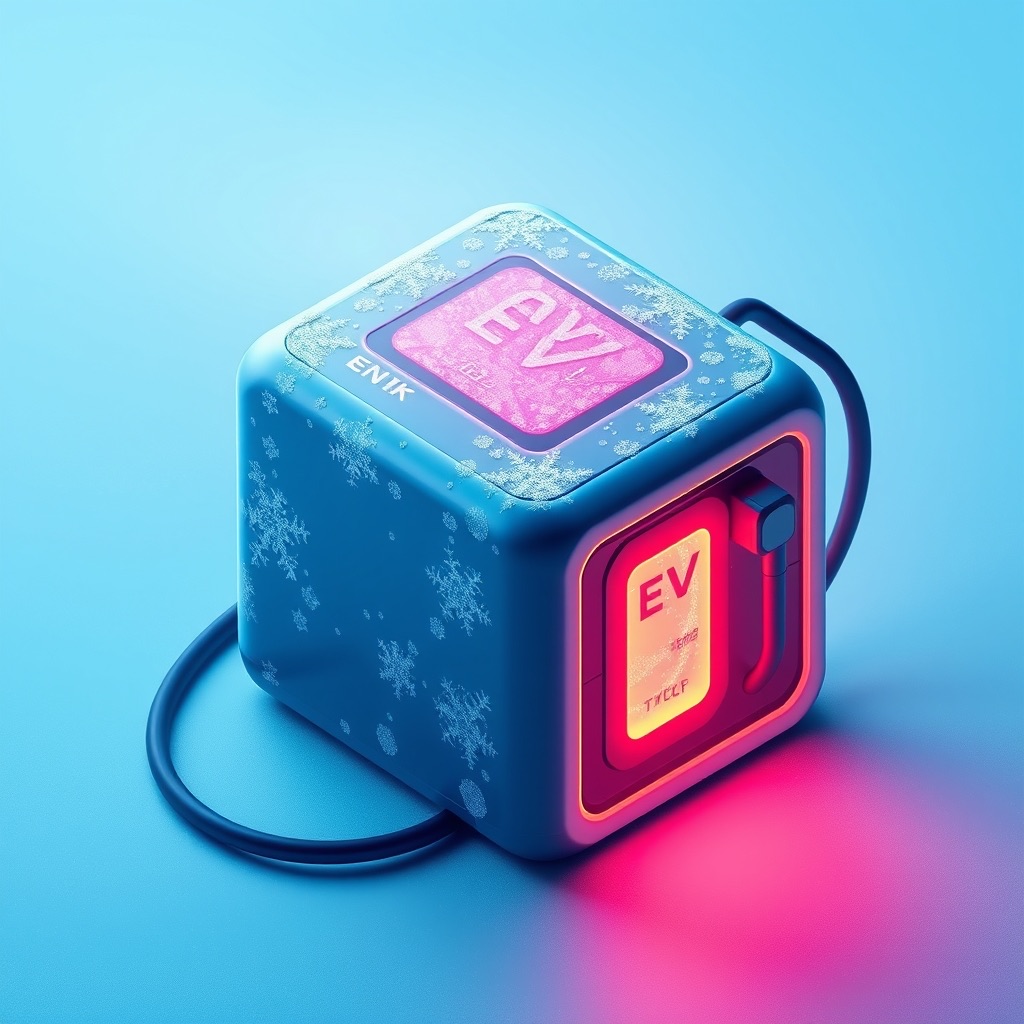
CATL's sodium-ion cells retain 90% capacity at -40°C, versus roughly 80% for lithium. As the first passenger EVs ship with sodium-ion packs in 2026, the technology's real advantage isn't cost — it's physics that lithium can't match.

Sensor resolution stopped predicting photo quality years ago. In 2026, the phones with the best cameras are winning on processing, not pixel count — and that changes what buyers should actually look for.

Visa, Mastercard, and JPMorgan aren't fighting stablecoins anymore — they're running billions of dollars through them. The infrastructure fight for the next decade of payments is already underway.

As third-party cookies disappear and privacy regulators tighten enforcement, data clean rooms have moved from a niche ad-tech tool to the standard architecture any two companies reach for when they need to combine data without directly exposing it to each other.

As context windows scale past a million tokens, engineering teams are quietly ripping out retrieval-augmented generation pipelines in favor of simply pasting entire document sets into the prompt. The shift isn't universal — but knowing when RAG still wins is now a real architecture decision, not a default.

Service accounts, API keys, and workload identities now outnumber human logins by more than 40 to 1 in most cloud environments — and almost nobody is tracking them properly. Here's why that gap is becoming the top entry point for breaches, and what a real fix looks like.

62% of new RPG and adventure games now feature AI-powered NPCs, up from just 8% in 2024. But most of that adoption is AI-assisted writing locked in at build time, not live runtime generation — and the gap between those two approaches is the entire story.
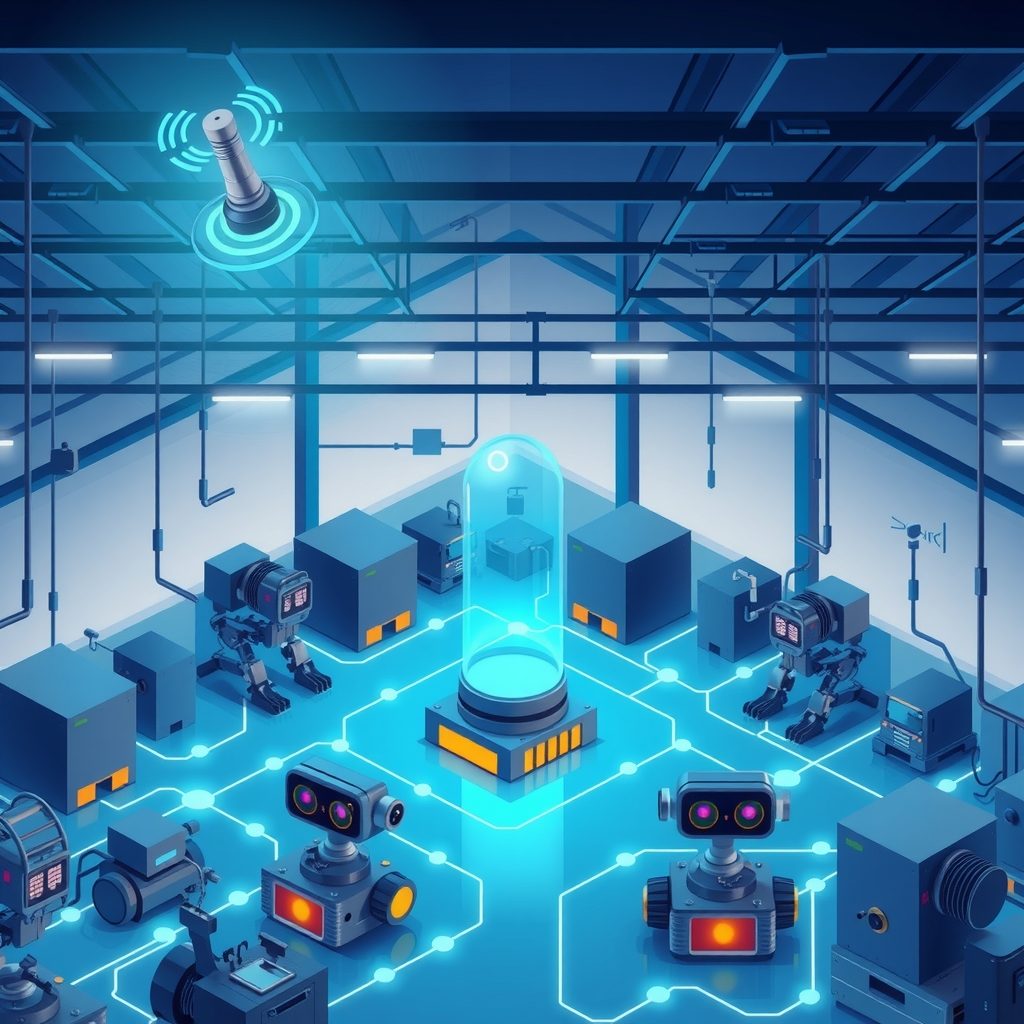
Enterprises are moving private 5G from pilot to production in 2026, not because Wi-Fi is obsolete, but because factory environments actively break it. Here's why the physics favor cellular indoors, what it actually costs to deploy, and where Wi-Fi 7 still wins.

DLSS 4.5 and FSR4 have both moved to transformer-based machine learning models this year, and the resulting jump in image quality now outweighs what a straight silicon upgrade delivers. That has quietly rewritten what "upgrading your GPU" actually means.

Two competing satellite-to-cell networks are now live in the United States, using opposite engineering strategies to solve the same problem. Neither replaces terrestrial coverage yet, but the dead-zone experience most phone users have lived with for two decades is already changing.