Volkswagen presenta un prototipo de batería de estado sólido con autonomía de 500 millas
Volkswagen presenta un prototipo de batería de estado sólido con autonomía de 500 millas
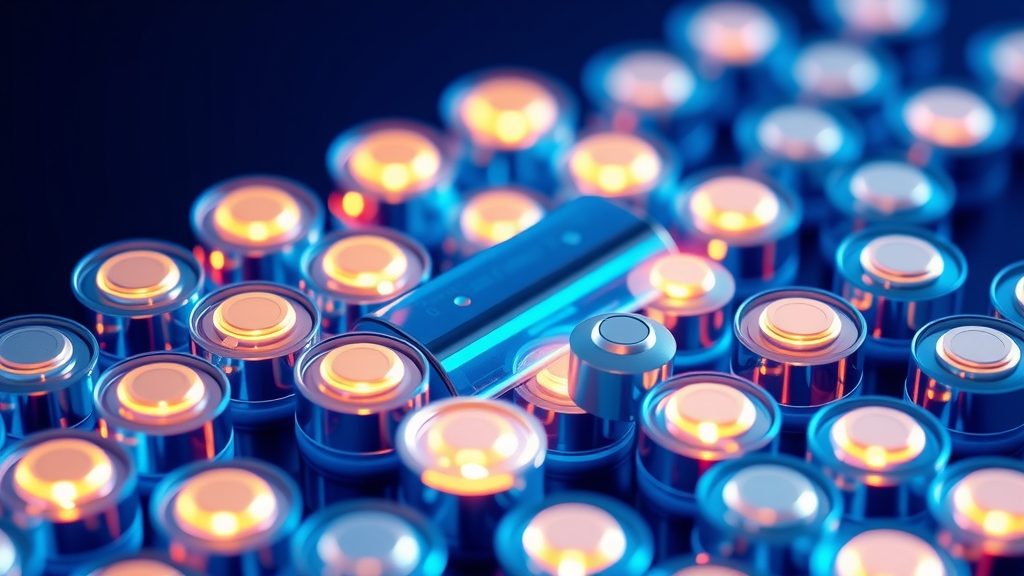
Volkswagen AG ha desvelado un prototipo funcional de su celda de batería de estado sólido, afirmando que la tecnología puede ofrecer más de 500 millas de autonomía con una sola carga, un hito que podría redefinir el panorama del vehículo eléctrico (EV). El fabricante alemán, que ha invertido más de 300 millones de dólares en la startup estadounidense QuantumScape desde 2018, mostró la celda este jueves en su laboratorio de baterías de Salzgitter, Alemania. El prototipo, designado "Unified Cell Plus", es el primer diseño de estado sólido que VW ha probado a gran escala fuera del laboratorio.
Especificaciones técnicas y objetivos de rendimiento
La nueva celda utiliza un ánodo de metal de litio emparejado con un separador cerámico sólido patentado desarrollado por QuantumScape. Los ingenieros de VW afirmaron que la densidad energética alcanza los 450 vatios-hora por kilogramo a nivel de celda, aproximadamente el doble que las baterías de iones de litio actuales utilizadas en el ID.4. Bajo el ciclo de prueba WLTP, el prototipo permite una autonomía de 518 millas (833 kilómetros) en un vehículo del tamaño del próximo sedán ID.7. El rendimiento de carga rápida es igualmente agresivo: la batería puede recargarse del 10% al 80% del estado de carga en 12 minutos cuando se conecta a un cargador CCS de 350 kW.
La gestión térmica sigue siendo un desafío clave, pero VW afirma que la celda de estado sólido opera de forma segura a temperaturas de hasta 85 grados Celsius sin refrigeración activa. El separador elimina el electrolito líquido inflamable presente en las celdas convencionales, reduciendo drásticamente el riesgo de incendio. Frank Blome, director de I+D de baterías de VW, declaró en una conferencia de prensa que la celda superó las pruebas de penetración de clavos sin que se produjera una fuga térmica, un umbral que muchos prototipos de estado sólido no han superado en el pasado.
Ruta de fabricación y cronograma de producción
Volkswagen planea iniciar la producción en pequeña serie de las celdas de estado sólido en su fábrica de Salzgitter a finales de 2025, escalando a varios cientos de miles de unidades anuales para 2027. Las celdas prototipo se están fabricando en una línea piloto que actualmente produce 1.000 celdas por semana. VW pretende integrar las nuevas celdas en su plataforma modular MEB+, que sustenta la familia ID. y la próxima marca Scout. La empresa espera que el coste de producción por kilovatio-hora baje de los 80 dólares para 2028, comparable al de las actuales baterías de electrolito líquido, gracias al ensamblaje simplificado y a la eliminación del proceso de formación.
QuantumScape, que salió a bolsa mediante una fusión SPAC en 2020, ha enfrentado escepticismo sobre su escalabilidad. Su línea pre-piloto QS-0 en San José, California, ha estado enviando celdas "muestra A" a VW y otros fabricantes desde finales de 2023. El prototipo de Volkswagen utiliza la última arquitectura de celda de bolsa de nueve capas de QuantumScape, un avance significativo respecto a las celdas de una sola capa demostradas en 2022. Andrew Hudson, director de tecnología de QuantumScape, señaló que la empresa está en camino de iniciar la producción de bajo volumen en su instalación QS-1 en 2026.
Panorama competitivo y contexto de la industria
Volkswagen está lejos de estar solo en la carrera por comercializar baterías de estado sólido. Toyota anunció en junio de 2024 que lanzaría una batería de estado sólido en un vehículo híbrido para 2027, con una autonomía declarada de 745 millas con una sola carga, la mayor anunciada públicamente hasta la fecha. La batería de Toyota utiliza un electrolito sólido basado en sulfuros y ha impresionado a los analistas con su durabilidad de más de 1.000 ciclos. Sin embargo, Toyota aún no ha mostrado un paquete de tamaño de automóvil; su prototipo actual se limita a una pequeña plataforma de dos plazas. BMW, por su parte, se ha asociado con Solid Power para probar celdas de estado sólido completo con una densidad de 390 Wh/kg, cuya producción piloto está prevista para 2025. CATL de China, el mayor fabricante de baterías del mundo, ha sido más cauteloso, afirmando en su conferencia de resultados que el estado sólido está al menos a cinco años de la producción en masa.
Los analistas del sector consideran creíble la afirmación de 500 millas de Volkswagen, pero enfatizan que la autonomía en el mundo real depende en gran medida de la integración del paquete. "Una celda de 450 Wh/kg es impresionante, pero cuando se añade el embalaje, la refrigeración y el cableado, el paquete completo probablemente ofrezca más cerca de 330 Wh/kg", dijo Sam Purdy, analista senior de Rho Motion. "VW necesita mantener el peso del paquete por debajo de los 450 kilogramos para conservar la ventaja de 500 millas sobre los mejores EVs actuales como el Lucid Air Grand Touring, que obtiene 516 millas de un paquete de iones de litio de 105 kWh".
Desafíos por delante: coste, durabilidad y clima frío
Aún con el éxito del prototipo, quedan varios obstáculos. El ánodo de metal de litio se expande durante la carga, creando una tensión mecánica que puede agrietar el separador sólido tras ciclos repetidos. VW afirma que su prototipo mantiene el 80% de su capacidad tras 1.200 ciclos completos, pero eso queda por debajo del umbral de 1.500 ciclos que suele requerirse para los automóviles de pasajeros bajo garantía. La empresa está explorando un fino recubrimiento de carbono en el ánodo para mitigar los cambios de volumen. El rendimiento en clima frío, una debilidad conocida de las celdas de estado sólido, se está abordando con una capa de calentamiento interna integrada en el sistema de gestión de la batería, una solución que añade coste y complejidad.
Además, VW confirmó que aún no utiliza tecnología 100% de estado sólido. El prototipo aún contiene una pequeña cantidad de electrolito líquido en los poros del separador para mejorar la conductividad iónica a bajas temperaturas. Blome restó importancia a esto, calificándolo de "diseño transitorio", y afirmó que una versión completamente libre de líquido está en la hoja de ruta para 2029.
Implicaciones de mercado y próximos pasos
Volkswagen espera que la batería de estado sólido aparezca primero en una variante de edición limitada del ID.7 en 2026, con un precio de aproximadamente 15.000 euros por encima del modelo estándar. El objetivo a largo plazo de la empresa es reducir el coste total del paquete en un 50% en comparación con la batería actual del ID.4, lo que permitiría un EV asequible con 500 millas de autonomía para 2030. Para que eso ocurra, VW debe asegurar un suministro fiable de materias primas clave (litio, azufre y cerámicas) mientras expande su capacidad de producción interna de celdas a 240 GWh anuales para 2030.
La próxima prueba importante llegará en el primer trimestre de 2025, cuando VW planea instalar las celdas de estado sólido en una flota de 50 vehículos de prueba para ensayos en carreteras públicas en Alemania y Estados Unidos. Si esos ensayos validan las cifras de autonomía y durabilidad, el EV de 500 millas podría convertirse en una realidad generalizada mucho antes de lo que la mayoría de los observadores de la industria predijeron.