Why Warehouse Robots Now Need an Orchestration Layer
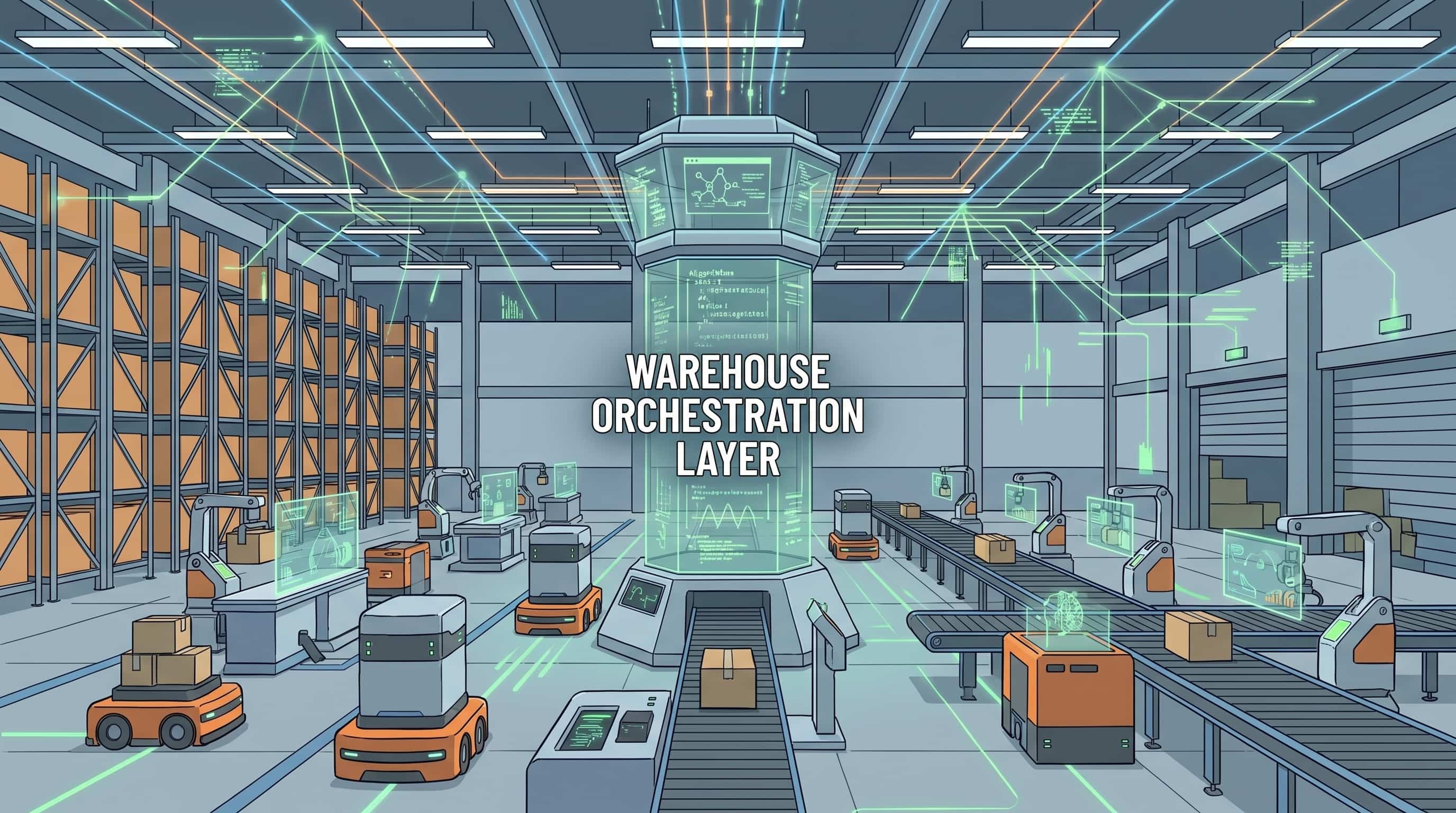
The modern warehouse is a hive of activity, and increasingly, that activity is powered by robots. From autonomous mobile robots (AMRs) ferrying goods across vast floors to robotic arms precisely picking items, automation has revolutionized efficiency in specific tasks. But as companies scale their robotic deployments, a new challenge has emerged: how do all these intelligent machines, often from different vendors, work together as a cohesive unit?
The Evolution of Warehouse Automation: From Silos to Systems
Early forays into warehouse automation often involved deploying specialized robots for isolated tasks. A company might invest in AMRs for transportation, and later, a different vendor's robotic arm for case picking. Each solution delivered value within its specific domain, but they often operated in silos, unaware of what other systems were doing. This disconnected approach can lead to bottlenecks, underutilized assets, and a fragmented view of the overall operation.
Imagine a symphony orchestra where each musician plays their part flawlessly, but without a conductor. The individual performances might be excellent, but the overall harmony and flow would be lost. Similarly, a warehouse full of high-performing robots, without a central coordinating intelligence, will struggle to achieve optimal throughput and efficiency.
What is an Orchestration Layer? The Conductor of Your Robot Fleet
This is where an "orchestration layer" comes into play. Think of it as the air traffic controller or the conductor for your entire automated warehouse. Its primary role is to manage and coordinate the activities of all robotic and automated systems, ensuring they work together harmoniously to achieve common operational goals.
In plain language, orchestration software does several key things:
- Assigns Work Intelligently: It takes high-level tasks (e.g., "move these 100 items to packing") and breaks them down into smaller, assignable jobs for specific robots, considering their capabilities, location, and current workload.
- Manages Traffic and Resources: It prevents collisions, optimizes routes for AMRs, and allocates shared resources like charging stations or specific work zones efficiently.
- Balances Workloads: It dynamically shifts tasks between robots or even human workers to prevent bottlenecks and ensure a smooth flow of goods, adapting to real-time changes in demand or robot availability.
- Integrates Diverse Systems: Crucially, it acts as a bridge between different robot vendors' systems, as well as with higher-level warehouse management systems (WMS), manufacturing execution systems (MES), and other operational software. This integration provides a holistic view and control over the entire operation.
- Provides Real-time Visibility: It offers a centralized dashboard to monitor the status, performance, and location of all automated assets, enabling proactive decision-making.
This coordinated approach is becoming central to automation value. As noted by Honeywell, their collaboration with Berkshire Grey integrates robotic picking and sortation with Honeywell Momentum Warehouse Execution Software, demonstrating how software coordination is now key to unlocking the full potential of automation.
The Challenge of Multi-Vendor Automation and the Need for Interoperability
No single robotics vendor can offer the absolute best solution for every conceivable task within a complex warehouse. Companies often seek "best-of-breed" solutions, acquiring robots from different manufacturers specializing in specific functions – one for heavy lifting, another for delicate item picking, yet another for long-haul transport. This multi-vendor strategy offers flexibility and access to cutting-edge technology, but it introduces significant integration challenges.
The main hurdle? Proprietary interfaces and communication protocols. Each robot vendor typically develops its own software and communication standards, meaning their robots don't inherently "speak the same language." Without a common framework, integrating these disparate systems into a unified workflow is a complex, time-consuming, and expensive endeavor, often requiring custom development for each new robot type or vendor.
Why Interoperability is Non-Negotiable for Modern Warehouses
This is precisely why industry interoperability efforts are gaining critical momentum. Initiatives like the MassRobotics AMR Interoperability Standard and VDA5050 are vital steps towards creating common interfaces and data exchange protocols. These standards aim to allow robots from different vendors to share information and be coordinated through a unified system. Why does this matter so much?
- Scalability: As demand grows, warehouses need to scale their automation quickly. Interoperability makes it easier to add new robots, even from different manufacturers, without rebuilding the entire control system from scratch.
- Flexibility and Agility: Businesses need to adapt to fluctuating market demands, new product lines, or changes in fulfillment strategies. An interoperable system allows for easier reconfiguration and integration of new robotic capabilities.
- Avoiding Vendor Lock-in: A common standard gives businesses the freedom to choose the best robotic solution for their specific needs without being tied to a single vendor's ecosystem, fostering competition and innovation.
- Optimized Performance: When all systems can communicate, the orchestration layer can make more informed decisions, leading to better resource utilization, faster throughput, and reduced operational costs.
The market is clearly shifting from buying isolated robots to managing a comprehensive system that includes robots, conveyors, software, labor planning, and fulfillment targets all at once. The strategic differentiator is increasingly the orchestration layer that ties all these elements together.
Beyond Plug-and-Play: The Realities of Integration
While the promise of seamless multi-vendor integration is exciting, it's important to keep expectations grounded. An orchestration layer is a powerful tool, but it's not a magic wand that instantly transforms a disparate collection of robots into a fully plug-and-play warehouse.
- Integration Still Matters: While standards help, real-world integration still requires careful planning, robust APIs, and often, a degree of custom configuration to perfectly align with specific operational workflows and existing infrastructure.
- Safety is Paramount: Introducing more robots and complex interactions necessitates rigorous safety protocols. The orchestration layer must be designed to ensure humans and robots can operate safely side-by-side, with clear zones, emergency stops, and fail-safe mechanisms.
- Process Redesign is Key: Simply dropping robots into existing manual processes rarely yields optimal results. True efficiency gains come from rethinking workflows, optimizing layouts, and redesigning processes to leverage automation effectively. The orchestration layer facilitates this redesign by providing the control and visibility needed to implement new strategies.
In essence, the orchestration layer isn't just about managing robots; it's about managing an intelligent, adaptive ecosystem. It’s the brain that turns a collection of advanced tools into a cohesive, high-performing operational unit. For warehouses aiming for agility, resilience, and maximum efficiency in an increasingly complex supply chain landscape, a robust orchestration layer is no longer a luxury – it's a strategic imperative.