Robots-as-a-service: why companies are renting humanoid robots instead of buying them
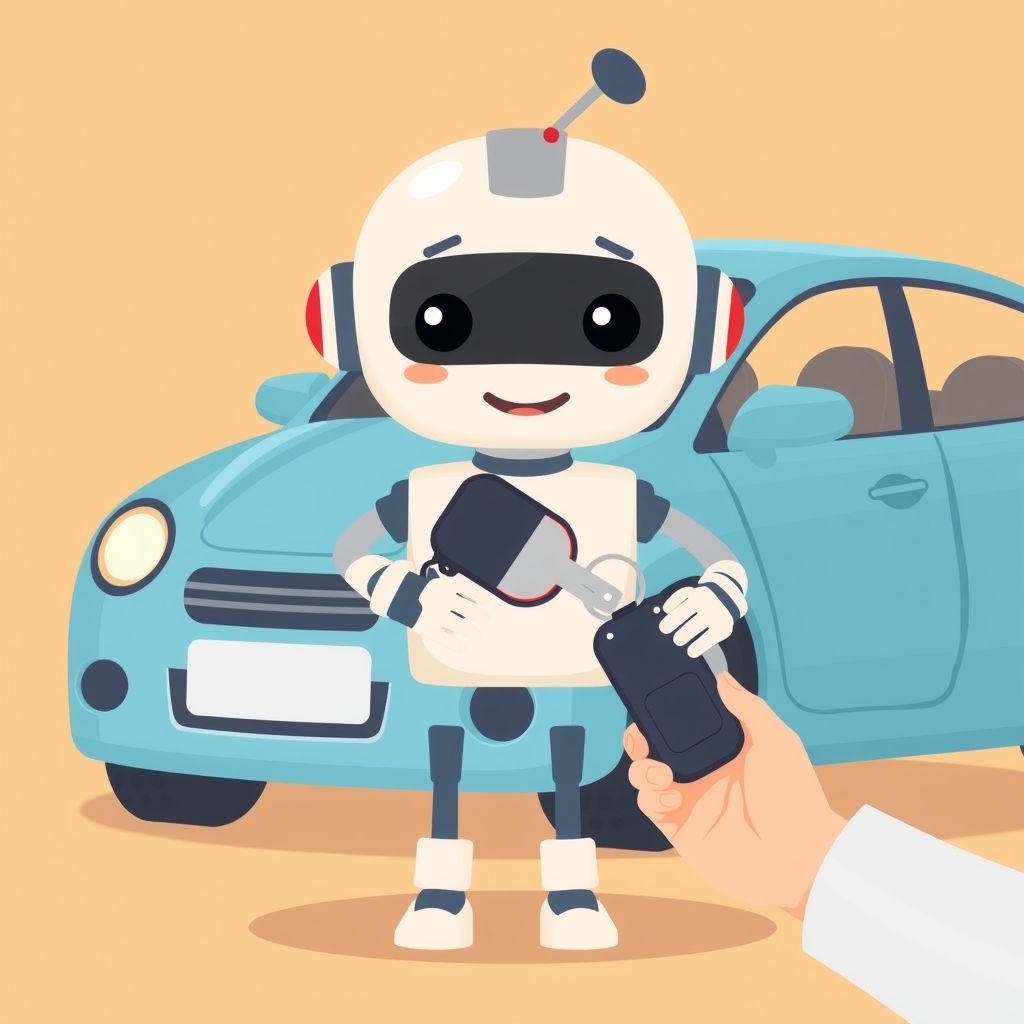
Humanoid robots are splitting into two very different businesses, and the split has little to do with who builds the best hardware. On one side sits Unitree, selling its R1 line outright for $4,290 to $10,500 and its flagship H2 for $100,000. On the other sits Figure AI, which will rent you a robot for roughly $1,000 a month — hardware, software updates, maintenance, and support bundled in, no purchase required. Both companies are betting on humanoid robots. They are betting on completely different ways of getting paid for them, and the rental model is where the real money is likely to end up.
The purchase math doesn't work for most buyers
Buying a humanoid robot outright looks straightforward until you run the numbers on obsolescence. A $100,000 Unitree H2 or a roughly $250,000 Figure 03 or Boston Dynamics Atlas unit isn't a fixed asset the way a forklift is. The software stack controlling dexterity, navigation, and task-learning is improving fast enough that a robot bought this year can be meaningfully behind a robot released twelve months later — not because the motors wore out, but because a competitor's model can now fold laundry or restock shelves twice as fast on the same hardware class.
That's the same problem cloud computing solved for servers two decades ago: nobody wants to own a rack of hardware that depreciates against next year's chip generation when someone else will rent them equivalent capacity, refreshed, with the depreciation risk absorbed into the monthly fee. Figure's $1,000/month RaaS offering and Unitree's own rental tier — R1 at roughly $950/month, G1 at $1,900/month — apply the exact same logic to physical labor.
What rental actually buys you
The bundle matters more than the price. A RaaS contract typically includes continuous software updates — meaning a warehouse running rented Figure units gets each new dexterity or navigation improvement pushed automatically, the same way a SaaS customer gets feature updates without reinstalling anything. It includes maintenance and repair, which for a machine with dozens of actuators and sensors is not a trivial line item to self-manage. And critically, it includes an exit: a six-month pilot program renting three units to test a warehouse picking task costs a fraction of buying three units outright and then discovering the task doesn't fit the robot's current capability.
AgiBot's rental platform, launched at Mobile World Congress 2026 across 17 countries at roughly €899/day, and event-focused providers renting basic units for $150–300/day, show the same pattern playing out at smaller scale: short-term, low-commitment access to hardware that would be an awkward capital purchase for a one-off demo or seasonal labor spike.
Where outright ownership still wins
The purchase model isn't dead — it makes sense for a narrower set of buyers than the rental hype suggests. A manufacturer running the same repetitive task on a fixed line for years, where the software requirements are stable and unlikely to need frequent upgrades, gets better unit economics from ownership once the payback period (typically 12–24 months at industrial utilization rates) is covered. Unitree's pricing strategy — competing hard on hardware cost rather than recurring revenue — makes sense specifically for this buyer: research labs, universities, and manufacturers that know exactly what task they're deploying for and don't need the software to keep evolving underneath them.
The split mirrors what happened in enterprise software two decades ago almost exactly. Companies selling perpetual licenses competed on unit price and shipped hardware capability. Companies selling subscriptions competed on continuous improvement and bundled risk. In software, the subscription model won the majority of the market, not because it was cheaper per unit of capability, but because it transferred obsolescence and maintenance risk away from the buyer.
The real business isn't robots — it's reliability
If that pattern holds for humanoid robots, the more interesting business over the next five years isn't building better hardware, which multiple credible players (Unitree, Figure, Boston Dynamics, Tesla, AgiBot) are already doing in parallel and will likely commoditize the way smartphone hardware commoditized. It's building the operational layer that keeps a fleet of robots reliably running a specific task at a guaranteed uptime — the industrial equivalent of a managed cloud service. Unitree's IPO ambitions at a reported $9 billion valuation are, in large part, a bet that even a hardware-first company eventually needs to build toward that layer.
For a business evaluating humanoid robots today, the decision isn't buy-versus-rent in the abstract. It's whether the task is stable enough to justify locking in today's capability for years, or volatile enough that next year's software update is worth more than this year's lower sticker price. Most warehouse, hospitality, and light-manufacturing use cases are still figuring out exactly what tasks robots can reliably do — which is precisely the condition under which renting, not owning, is the rational choice.