Qi2 Establishes a Magnetic Accessory Ecosystem for Android Devices
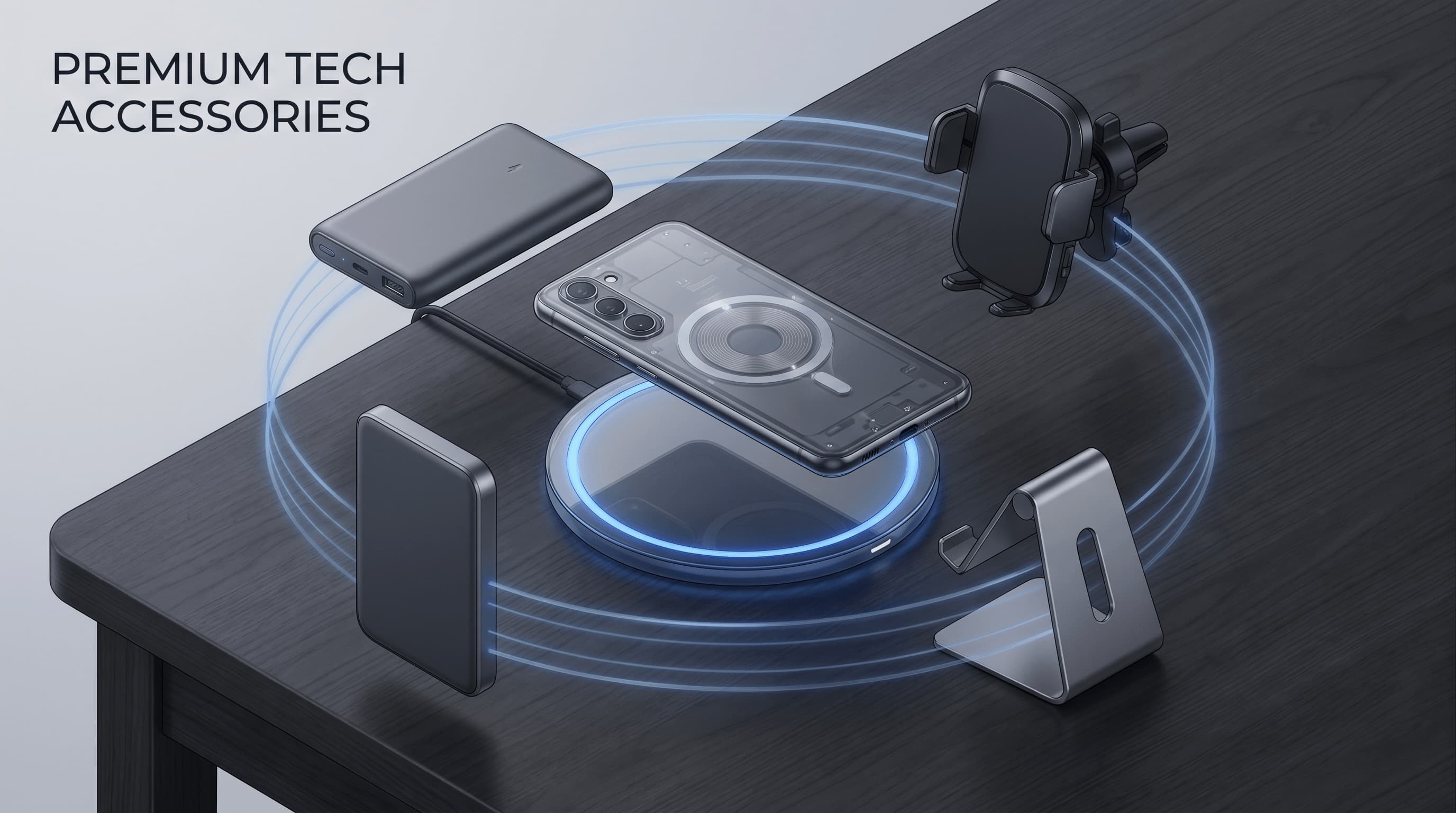
Qi2 is not merely a specification bump for faster wireless charging; it is a foundational shift poised to standardize and expand the magnetic accessory ecosystem across the Android landscape. This evolution promises to transcend simple power delivery, enabling a new generation of integrated mounts, battery packs, wallets, and docks that enhance device utility and user experience through consistent, reliable alignment. For Android users, Qi2 represents the long-awaited arrival of a robust, unified platform for magnetic attachments, moving beyond fragmented proprietary solutions.
The true significance of Qi2 lies not in its peak 15W charging speed, which is a welcome improvement, but in its Magnetic Power Profile (MPP). This profile, based on Apple’s MagSafe technology, ensures perfect alignment between the charging coil in the device and the charger. This precision is critical; it minimizes energy loss, reduces heat generation, and most importantly, provides a stable physical connection that unlocks a vast array of accessory possibilities previously inconsistent or unavailable to the broader Android market. It transforms wireless charging from a convenience into an infrastructure layer.
The Technical Underpinnings of Magnetic Alignment
At its core, Qi2 leverages a ring of magnets embedded in both the device and the accessory. This magnetic array automatically snaps the phone into the optimal position for charging and data transfer, ensuring maximum efficiency and reliability. The Wireless Power Consortium (WPC) describes Qi2 as enabling faster, more energy-efficient, and more convenient wireless charging through this superior alignment. This goes beyond the basic Qi standard, which often required careful placement and could be easily disrupted, leading to failed charging sessions or suboptimal performance.
The WPC announced at CES 2025 that Qi2 had already reached more than 1.5 billion devices, signaling a significant industry commitment. Furthermore, the consortium indicated that consumers would see a substantial increase in Qi2-enabled Android devices in 2025, with major players like Samsung and Google both signaling their intent to adopt the standard. This broad industry backing is crucial for establishing a truly universal magnetic accessory platform, addressing the fragmentation that has long plagued the Android ecosystem.
Android's Entry into the Magnetic Ecosystem
While Apple’s MagSafe has offered a standardized magnetic accessory experience for years, Android’s adoption has been uneven, often relying on third-party cases or adhesive rings. This began to change with the introduction of the HMD Skyline, which Android Police reported as the first Android phone with native Qi2 support and built-in magnets, offering 15W wireless charging and accessory alignment. This integration marks a pivotal moment, demonstrating that Android OEMs are beginning to embrace the full potential of Qi2 beyond mere charger compatibility.
It is important to distinguish between a phone that is “Qi2 compatible” (meaning it can charge from a Qi2 charger) and a phone that has “native Qi2 with integrated magnets.” The latter is what truly unlocks the accessory ecosystem. Some Android vendors may initially treat Qi2 as just a charger compatibility upgrade, potentially leading to user confusion if devices lack the essential magnetic array. The full benefits of Qi2, particularly for accessories, depend on this integrated magnetic hardware.
Transforming Device Interaction: Beyond Charging
Enhanced Mounting Solutions
The immediate and most impactful benefit of Qi2's magnetic alignment is the transformation of mounting solutions. Car mounts become effortlessly secure, allowing for quick attachment and detachment while ensuring optimal charging and hands-free operation. Desk stands can now reliably hold a phone in portrait or landscape orientation, seamlessly integrating into a workspace without fear of accidental dislodgement. This stability opens doors for more sophisticated mounts that could incorporate additional features like cooling or specialized I/O.
Magnetic Battery Packs and Wallets
Magnetic battery packs, previously a niche or proprietary accessory, will become a standardized and highly convenient option for Android users. Snapping a power bank onto the back of a phone for on-the-go charging eliminates cables and ensures efficient power transfer. Similarly, magnetic wallets that securely attach to the back of a device offer a streamlined way to carry essential cards, reducing pocket bulk and simplifying daily carry. These accessories transition from add-ons to integral parts of the mobile experience.
Docks, Peripherals, and Smart Home Integration
The reliable magnetic connection also paves the way for advanced docking solutions. Imagine a bedside dock that not only charges but also transforms your phone into a smart display, or a desktop dock that connects to external monitors and peripherals via a single, magnetic snap. Specialized peripherals, such as external camera lenses, game controllers, or even medical sensors, could leverage Qi2 for both power and data transfer, creating a modular and adaptable device experience. This infrastructure fosters innovation in a way that mere charging speed cannot.
A Unified Future for Android Accessories
Qi2's widespread adoption, particularly with native magnetic integration, has the potential to unify the Android accessory market. Instead of manufacturers developing proprietary magnetic systems or users relying on generic, often unreliable, solutions, a single standard will allow for a vast, interoperable ecosystem. This standardization benefits consumers through greater choice, competitive pricing, and assurance of compatibility, while also reducing development costs and complexity for accessory makers.
However, the pace of full, magnet-integrated Qi2 adoption across all Android OEMs will be critical. While initial devices like the HMD Skyline show promise, the market needs more flagship and mid-range devices to fully embrace the magnetic array. Consumer education will also be vital to differentiate between basic Qi2 compatibility and the full magnetic accessory experience. The journey towards a truly unified magnetic Android ecosystem has begun, but it will require sustained commitment from the industry.
Actionable Takeaways for the Qi2 Era
For Consumers
- When purchasing new Android phones or accessories, prioritize devices explicitly stating “Qi2 with integrated magnets” or “Magnetic Power Profile (MPP)” support to unlock the full accessory ecosystem.
- Look for third-party accessories that are certified Qi2 and designed to leverage the magnetic alignment for optimal performance and versatility.
- Understand that not all Qi2-compatible phones will offer the magnetic attachment benefits; verify the presence of integrated magnets.
For Android OEMs
- Embrace native magnetic integration in your devices, not just Qi2 charging compatibility, to provide a compelling and standardized accessory experience for your users.
- Collaborate with accessory manufacturers to foster a rich ecosystem of innovative magnetic products that enhance device functionality.
For Accessory Manufacturers
- Invest in developing a wide range of Qi2-compatible magnetic accessories, from mounts and battery packs to wallets and specialized peripherals, leveraging the standardized MPP.
- Clearly market your products’ Qi2 magnetic capabilities to inform consumers about the enhanced functionality and reliability.