Foldable Phones in 2026: The Hardware Has Arrived, the Software Is Catching Up
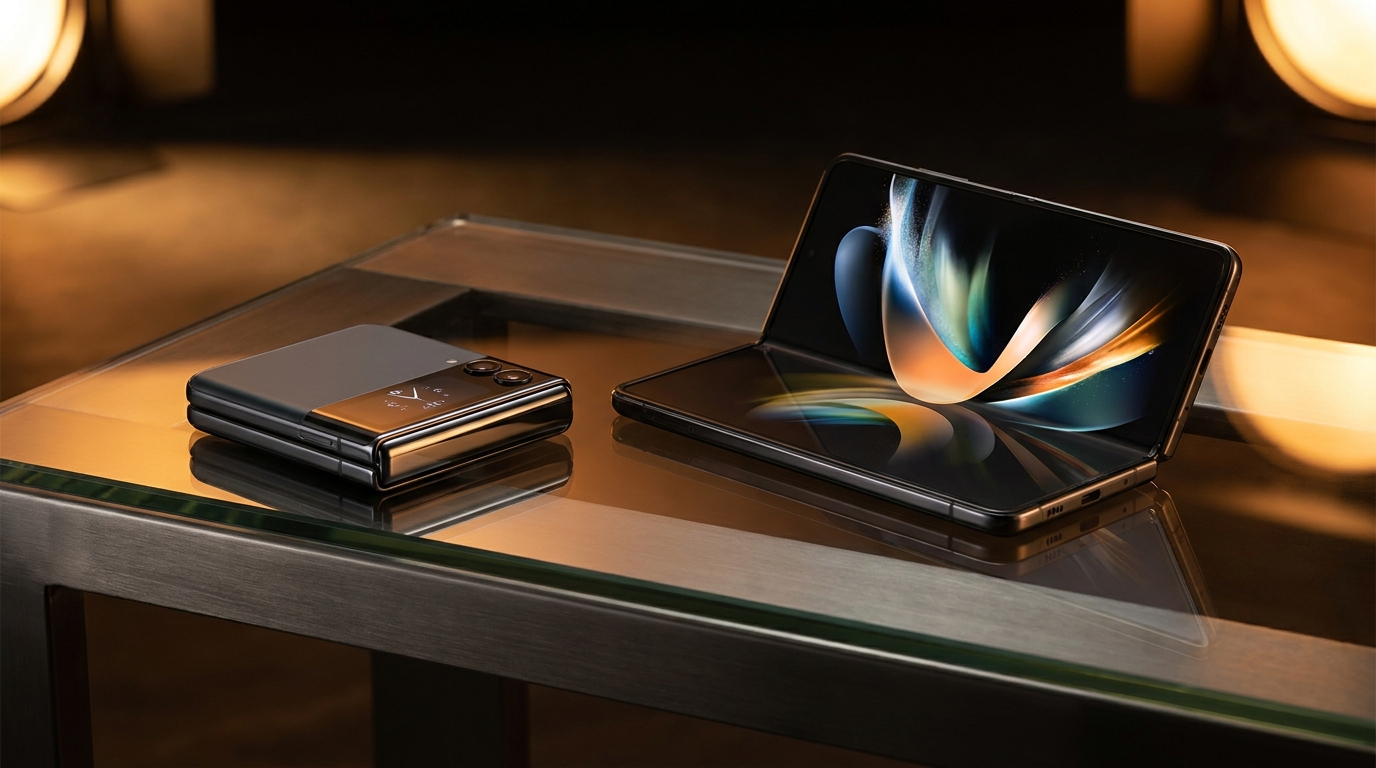
When Samsung shipped the original Galaxy Z Fold in 2019, it was recalled within days because the display creased, cracked, and failed under normal use. The hinge mechanism was weak, the ultra-thin glass scratched from fingernails, and the software treated the large inner screen as a stretched version of a phone display rather than something meaningfully different. It was a $2,000 proof of concept that proved mostly that the concept needed work.
The Z Fold 8, released earlier this year, is a different product. The hinge is rated for 200,000 folds — about 130 folds per day for four years. The Corning ultra-thin glass has been revised three times over and is now scratch-resistant enough for daily use without a screen protector. The crease is still there if you look for it at the right angle, but it's barely perceptible during normal use. On the hardware side, the category has grown up.
Where the Market Stands
Samsung still commands roughly 60% of the global foldable market, though that dominance has eroded from the near-monopoly it held through 2022. Google's Pixel Fold line — now in its third iteration — has found a devoted audience among Pixel loyalists who want the tight integration between hardware and Android software. OnePlus and Honor have made aggressive inroads in Asia and Europe with thinner, lighter designs that sacrifice some inner screen real estate for pocket-friendliness.
The overall foldable market remains small but growing. Analysts estimate foldables shipped around 25 million units in 2025, up from 17 million in 2024. That's still less than 2% of total smartphone shipments, but the trajectory is clear. The price floor has also dropped: entry-level book-style foldables from Chinese manufacturers now start under $800, compared to $1,800+ when the category launched.
The Software Question
Hardware durability was the first problem. Software optimization is the second, and it's proving harder to solve because it requires developers to actually update their apps — something they have limited incentive to do for a small user base.
Google has pushed hard on adaptive layouts in Android 14 and 15, providing developer APIs that make it easier to build apps that reflow intelligently between folded and unfolded states. The results are visible: productivity apps like Gmail, Docs, and Chrome behave well on the large inner screen. Third-party apps are more inconsistent. Many still simply stretch their phone UI to fill the large display, which looks fine at a glance but wastes the extra space — you get a bigger version of the same interface, not a more useful one.
Samsung's One UI layer adds some useful foldable-specific features: the taskbar that shows up at the bottom when unfolded, the ability to run three apps side by side, Flex Mode that splits the UI when the phone is folded at 90 degrees for tabletop use. These features work well but feel like workarounds for the broader software ecosystem's slow adaptation.
The Flip Side: Clamshell Foldables
The book-style foldable, where a phone-sized device unfolds into a small tablet, gets most of the attention. But clamshell foldables — where a standard phone display folds in half to become a pocketable square — have developed a different, arguably more coherent use case.
The Samsung Galaxy Z Flip and its competitors appeal to users who want a full-sized phone experience that physically shrinks for storage. The cover screen has become genuinely useful: the Z Flip 8's 3.4-inch cover display runs widgets, handles quick replies, and controls media without needing to open the phone. For users who spend a lot of time in bags, pockets, or crowded environments, the compact form factor is the primary selling point, not the large unfolded display.
Motorola's Razr series has refined this formula into something approachable and at a lower price point than Samsung commands. The competition has been good for the category.
Battery and Thermal Reality
Two persistent weaknesses remain. Battery life on book-style foldables is mediocre — the physical constraints of fitting a battery into a foldable chassis limit capacity, and the large inner display consumes more power than a standard phone screen. The Z Fold 8 gets through a full day for most users, but it's not a device you'd want to take on a long trip without a charger nearby.
Thermals are the other issue. Foldable phones are thin, and thin devices struggle to dissipate heat. During extended gaming sessions or while using computationally intensive apps with the phone unfolded, thermal throttling is noticeable. This limits the case for using a foldable as a gaming device despite the screen real estate advantage.
Who Should Buy One Now
Foldable phones in 2026 make the most sense for users who regularly consume long-form content — documents, spreadsheets, articles, video — and who can justify the price premium for a genuinely different form factor. The productivity case is real: having two apps side by side on the inner screen, with a keyboard taking up the bottom half in Flex Mode, is a meaningful upgrade over juggling tasks on a standard phone.
They make less sense as a primary device for people whose smartphone use is primarily social media, messaging, and photography. For those use cases, the thickness penalty in folded mode, the battery compromise, and the $600-900 premium over a flagship phone are hard to justify.
The category is no longer experimental. It's a mature niche — and for the right user, it's now the best mobile experience available.