eSIM Is Turning Travel Connectivity Into a Software Choice
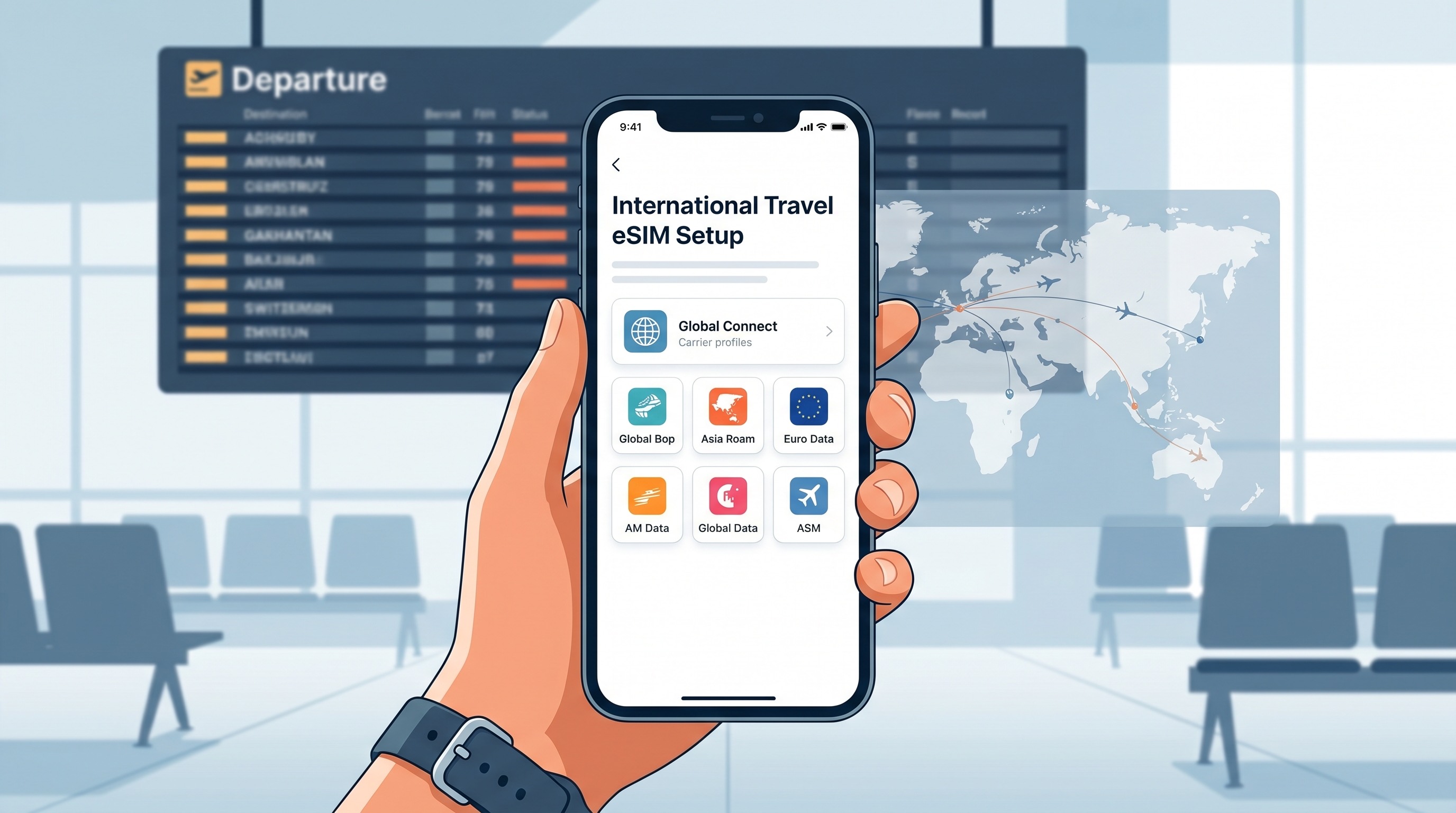
Travel connectivity used to be one of the most stubbornly physical parts of the smartphone experience. You landed in a new country, looked for a carrier kiosk, bought a tiny plastic card, found a paperclip, and hoped the new plan worked before you left the airport. That workflow now feels increasingly out of date. In 2026, eSIM is turning travel connectivity into something much closer to software: a problem of setup, profile management, switching logic, and trust rather than a problem of swapping hardware.
This shift sounds subtle, but it changes how phones fit into travel. Connectivity is becoming something you can prepare in advance, activate from an app, compare across providers, and move between plans with far less friction. That does not mean the category is solved. Carrier locks, compatibility quirks, local identification rules, and confusing pricing still trip people up. But the direction is clear. Mobile connectivity is becoming more programmable, and travel is where users feel that change first.
Why eSIM matters more on the road than at home
At home, many people set up a carrier once and rarely think about it again. Travel exposes all the places where the old SIM model was clumsy. Roaming bundles were often expensive, airport SIM purchases were inconvenient, and switching providers took physical effort at exactly the moment when travelers were tired, rushed, and dependent on maps and messaging. eSIM changes the experience because it separates connectivity from the logistics of handling a card.
Apple’s support guidance now explicitly describes using multiple eSIM profiles while traveling, including keeping a home number active while using another plan for the destination. On supported iPhones, users can store multiple eSIMs and switch which ones are active in settings. That is a simple product detail, but it has large behavioral consequences. It turns carrier choice into something closer to configuring software profiles than changing a component.
The real benefit is flexibility, not just convenience
The shallow pitch for eSIM is convenience: no tiny tray, no physical card, no shipping delay. The deeper value is flexibility. A traveler can buy a plan before departure, add it in advance, and activate it when needed. Someone crossing several countries can compare regional packages against single-country offers. A frequent traveler can keep a library of past profiles and reactivate what still makes sense instead of starting from zero every time.
That flexibility also changes the balance of power. Traditional roaming had a built-in advantage because it was the default. eSIM lowers the cost of comparison. When users can install a travel data plan from an app in a few minutes, operators have to compete more directly on price, coverage, and onboarding quality. That does not eliminate the power of major carriers, but it does reduce the friction that used to protect them.
Why the ecosystem is broader now
Part of the momentum comes from devices. Apple has pushed eSIM aggressively, and its current support documents make clear that the company expects travelers to mix home service with destination profiles. Android support has become more credible too, especially on mainstream flagship phones. The result is that travel eSIM is no longer a trick for enthusiasts. It is becoming normal smartphone behavior.
The market is also expanding beyond the carriers users already know. Travel eSIM providers, aggregators, and digital-first mobile brands now sit between travelers and traditional operators. That creates more choice, but it also creates a new trust problem. Users now have to evaluate not only price and data allowances, but also who is behind the plan, how responsive support is, what network the provider actually uses, and whether renewal or top-up flows are reliable.
There are still hard constraints
It would be a mistake to treat eSIM as a frictionless universal fix. Carrier lock policies still matter. Regional device support remains inconsistent. Some countries still require local ID checks or in-person verification for certain plans. Some phones support many stored profiles but only limited active combinations. Corporate phones may have policy restrictions. And the best-looking deal on a comparison page can still disappoint if it runs on a weak partner network or throttles aggressively after a small threshold.
In other words, travel connectivity has become more software-defined, but it has not become simple in every market. The user experience is better than it used to be, yet it still depends on interoperability, carrier policy, and local regulation. eSIM reduces friction, but it does not erase telecom complexity.
Why this is a mobile product story, not just a carrier story
eSIM shifts part of the mobile experience from hardware design to interface design. Once connectivity is managed through software profiles, the quality of the phone’s setup flow matters more. How clearly the device labels plans, warns about charges, manages default lines for data and calls, or lets users schedule a switch becomes part of the product. The best mobile platforms will treat connectivity management as a first-class UX layer, not a buried settings screen.
This matters because smartphones are increasingly expected to behave like general-purpose travel tools. Tickets, maps, payments, identity documents, translation, and messaging all depend on reliable data. As more of that stack moves into software, the SIM itself was always going to follow. eSIM is the mobile network piece catching up with the rest of the smartphone.
What users should do differently
Travelers should treat eSIM the way they treat any other digital service: compare options before the trip, install early, verify whether the phone is unlocked, and understand the fallback plan before arrival. It is worth checking whether you need a phone number or only data, whether tethering is allowed, how long the plan lasts, and which local network the plan rides on. Those small details matter more than headline gigabytes.
It is also smart to avoid assuming every cheap eSIM product is equivalent. A reliable plan with clear support can be worth paying a little more for, especially when the connection is the thing that makes everything else in the trip work. The core promise of eSIM is not maximum bargain hunting. It is the ability to treat connectivity as something you can configure deliberately instead of something you improvise at the curb outside arrivals.
The bigger shift
What makes eSIM important is not the disappearance of a plastic card. It is the way it changes the mental model of mobile service. Connectivity is becoming easier to stage, switch, combine, and manage at the software layer. Travel makes that visible first because travel used to expose every weakness in the old model.
That is why eSIM matters in 2026. It is not a flashy smartphone feature in the usual sense, and it does not guarantee perfect roaming economics. But it is moving mobile connectivity toward a more software-defined future, where the network plan behaves less like a fixed piece of carrier identity and more like a configurable service. For travelers, that is already a meaningful upgrade.