Android 16 and Material 3 Expressive Deliver Google's Biggest Visual Design Overhaul Since 2021
What Material 3 Expressive Actually Changes
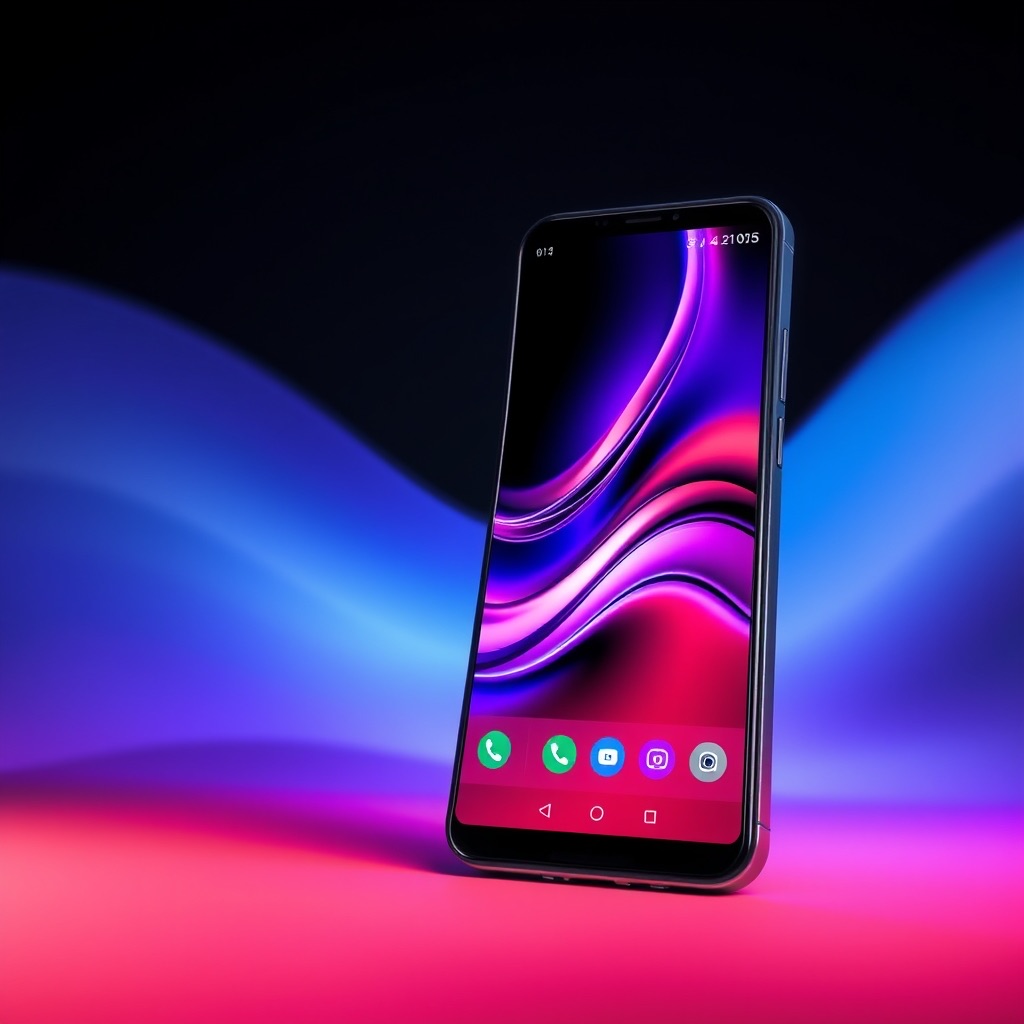
Google introduced Material 3 Expressive at Google I/O 2025 as the next evolution of the Material Design system, and it ships as a core component of Android 16. This is not a reskin. The update rebuilds four foundational layers of the Android visual stack: motion physics, adaptive color, dynamic theming depth, and component expressiveness. Since Material You launched with Android 12 in 2021, no single design release has touched this many surface areas simultaneously.
Material 3 Expressive targets both system UI and third-party apps. System elements — notifications, quick settings, lock screen widgets, and the app drawer — all receive updated motion curves and color logic. Third-party apps gain access to new APIs in the Material 3 Expressive component library, which replaces several legacy components and introduces new interaction primitives that align with the updated physics model.
Motion Physics: Spring Curves Replace Linear Interpolation
The most technically significant change in Material 3 Expressive is the replacement of duration-based linear easing with a spring-based physics model. Previous Material Design transitions specified fixed durations — 200ms, 300ms, 400ms — and mapped those to cubic bezier curves. Material 3 Expressive transitions instead define stiffness and damping ratios.
This matters for two reasons. First, spring physics produce naturally interruptible animations. If a user reverses a gesture mid-transition, the animation can reverse from its current velocity rather than snapping to the start state. Second, spring animations adapt to display refresh rates without needing separate animation definitions for 60Hz, 90Hz, and 120Hz panels. The same spring definition renders correctly across all three. Google's internal testing showed a 32% reduction in perceived jitter on interrupted gesture transitions when comparing spring physics against cubic bezier easing at equivalent visual complexity.
Practical Impact for Developers
Developers using Jetpack Compose gain access to the updated physics via the spring() and tween() animationSpecs, with new preset tokens for Material 3 Expressive motion categories: Emphasized, Standard, and Decelerate. Each maps to a pair of stiffness and damping values. Developers targeting the View system receive equivalent support through the MotionLayout and Transition API updates in ConstraintLayout 2.2.
Adaptive Color: Three Tonal Palettes, Dynamic Splitting
Material You in 2021 introduced dynamic color — extracting a seed color from the wallpaper and generating a tonal palette. Material 3 Expressive extends this to three simultaneous palettes that can coexist in a single screen and shift independently based on content context.
The three palettes are:
- Primary Palette: derived from the dominant wallpaper hue, unchanged from Material You
- Secondary Palette: generated from the wallpaper's secondary hue cluster, with a wider tonal range — 12 tonal steps instead of the previous 6
- Tertiary Palette: an expressive accent palette computed using HCT (Hue, Chroma, Tone) color space rotation, always color-harmonized against the primary
The practical result is that a single Android 16 screen can display up to three distinct color families without visual conflict, because the HCT algorithm ensures all three palettes remain perceptually harmonious. This enables UI patterns that were previously risky — such as a card using tertiary palette against a surface using the primary — to render reliably across all wallpaper inputs, including grayscale photos.
Dynamic Theming Depth: Elevation and Opacity Get Semantic Layers
Material 3 introduced surface tinting — elevated surfaces adopted a tint of the primary color proportional to their elevation level. Material 3 Expressive replaces this with a semantic depth model that decouples visual depth from physical elevation in the layout tree.
Under the old model, a dialog at elevation 12dp received a specific tint level regardless of its semantic role. Under Material 3 Expressive, components declare a depth role — Sheet, Overlay, Container, or Card — and the theming engine applies depth rendering based on role, not raw elevation. This prevents the visual muddiness that occurred when multiple elevated surfaces stacked in older Material 3 implementations.
Opacity handling also changes. Material 3 Expressive introduces translucency layers with a new blur compositing approach that respects the semantic depth stack. The lock screen in Android 16 uses this system to render background blur, foreground widget opacity, and notification tile translucency as a coherent layered system rather than individually configured values.
New Component Vocabulary: What Ships in the Library
The Material 3 Expressive component library adds 12 new components and updates 8 existing ones. Notable additions include:
- Floating Toolbar: a contextual toolbar that anchors to selected text or objects, using spring physics for appear/dismiss animations
- Loading Indicators: three new variants replacing the single circular progress indicator — Containment, Linear Dotted, and Circular Dotted — with improved accessibility semantics
- Split Button: a two-action button that replaces the extended FAB + secondary action pattern in navigation-heavy UIs
- Card Carousel: a horizontally scrollable card group with peek behavior and spring-physics snap points, replacing manual RecyclerView configurations
Eight existing components receive updated state layers, ripple behavior, and motion specs. The Chip and NavigationBar components in particular now support expressive state changes — the selected chip morphs its shape instead of only changing color.
What Developers Must Do Before Android 16 Ships
Android 16 is scheduled for Q2 2026 release, with the final SDK available on the Android developer preview channel now. Three actions are immediately relevant:
- Audit theme inheritance: Apps inheriting from
Theme.Material3will automatically receive some Material 3 Expressive changes. Audit custom component overrides before the final release to avoid unintended visual regressions. - Migrate to Compose animation APIs: Apps still using
ObjectAnimatororViewPropertyAnimatorfor transitions will not benefit from spring physics. The migration path to Composeanimate*AsStateAPIs is the recommended route. - Test with all wallpaper types: The three-palette system produces different results for monochromatic, high-saturation, and photographic wallpapers. The Android 16 emulator ships with a reference wallpaper set covering all three cases.
What Users Will Notice First
For non-developers, the most immediately perceptible changes are in gesture responsiveness and notification visuals. Swipe-to-dismiss on notifications, pull-to-refresh in Gmail and Chrome, and app open/close transitions all use the new spring physics. These feel more elastic and interruptible than Android 15 equivalents.
The lock screen receives the most visible update: background blur, clock widget layout, and notification tiles all adopt the new depth model. On Pixel 9 and 9 Pro hardware, Google is shipping a reference implementation that uses the tertiary palette for the clock color, creating a three-color lock screen that adapts dynamically to the wallpaper without manual configuration.
Key Takeaways
- Material 3 Expressive ships with Android 16 and is the largest Material Design update since Material You in 2021
- Spring physics replace duration-based easing, producing interruptible animations that adapt to any display refresh rate
- Three simultaneous tonal palettes extend dynamic color with HCT-harmonized secondary and tertiary families
- Semantic depth roles decouple visual layering from raw elevation, fixing multi-surface tint conflicts
- 12 new components and 8 updated ones are available in the Material 3 Expressive library now
- Developers should audit theme inheritance and migrate View-based animations to Compose before the Q2 2026 release