Globaler Speicherchip-Engpass verschiebt MacBook Air-Liefertermine in den September
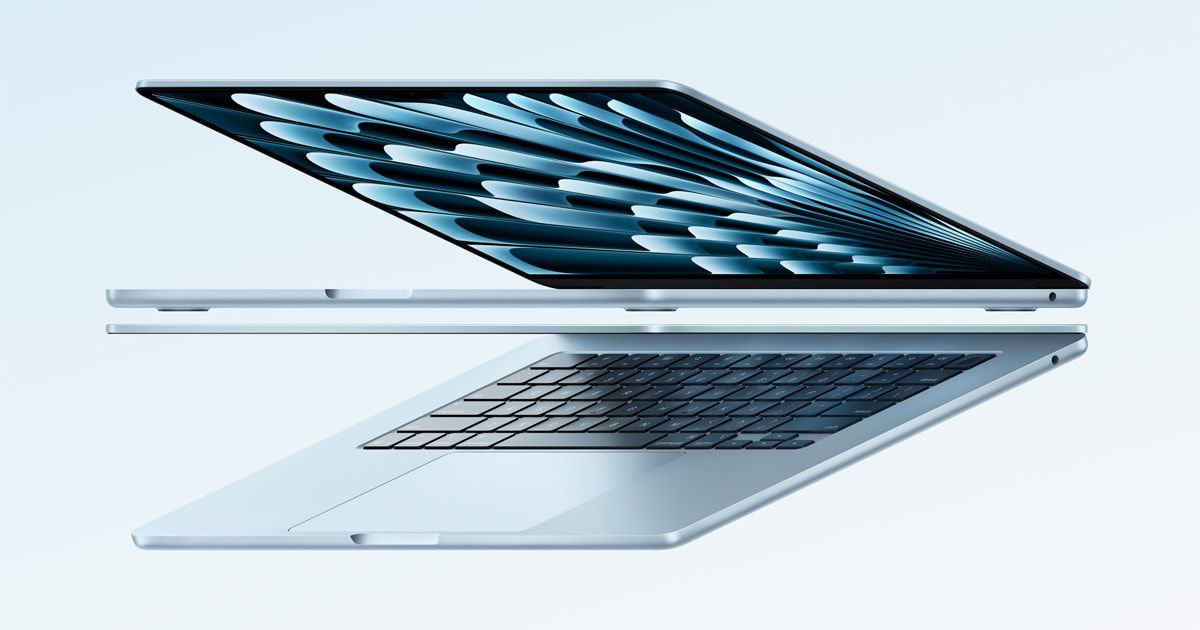
Apples MacBook Air, das Laptop mit dem höchsten Absatz des Unternehmens, ist im Apple Online Store mittlerweile mit Lieferverzögerungen von zwei bis sechs Wochen konfrontiert, wobei Konfigurationen mit größerem Arbeitsspeicher am stärksten betroffen sind — einige davon mit Lieferterminen erst im September. Ursache ist ein globaler Speicherchip-Engpass, der sich seit Monaten abzeichnet und maßgeblich dadurch getrieben wird, dass KI-Rechenzentren DRAM und High-Bandwidth-Speicher schneller aufkaufen, als die Hersteller produzieren können, wie zuerst von TechCrunch berichtet.
Bislang hatte sich der Engpass vor allem bei Apples Geräten mit geringerem Absatz bemerkbar gemacht — beim Mac mini und Mac Studio traten Lieferprobleme zuerst auf —, während das MacBook Air, Apples Standardempfehlung für die meisten Käufer, verfügbar blieb. Das hat sich nun geändert. Das Air reiht sich in eine wachsende Liste von Unterhaltungselektronik ein, die den Engpass zu spüren bekommt: Roku hat Ende Juli die Preise für seine Streaming-Geräte in den USA um bis zu 60 % erhöht und verwies dabei auf denselben zugrunde liegenden Speicherengpass, der branchenweit günstige Hardware trifft.
Warum die Speicherlage so angespannt ist
Die Produktionskapazitäten für DRAM und HBM (High-Bandwidth Memory) werden von allen Gerätekategorien geteilt, die Speicher benötigen — von Smartphones über Laptops bis hin zu den GPU-Servern, die KI-Training und Inferenz betreiben. Wenn die Ausgaben für KI-Infrastruktur so stark steigen wie in den vergangenen zwei Jahren, verlagern Speicherhersteller ihre Fertigungskapazitäten hin zum Käufer mit den höchsten Margen und dem höchsten Volumen — und genau das sind die Betreiber von KI-Rechenzentren, die HBM in Rechenzentrum-Größenordnungen einkaufen. Hersteller von Consumer-Laptops und -Smartphones bleiben zurück und konkurrieren um die verbleibenden Kapazitäten, zu höheren Verhandlungspreisen, die sich letztlich als Kostensteigerungen oder Engpässe beim Endverbraucher niederschlagen.
Apples Reaktion bestand bislang aus zwei Maßnahmen: Das Unternehmen hat die Preise für das MacBook Air bei bestimmten Konfigurationen um rund 200 Dollar angehoben und bezieht Berichten zufolge zusätzlichen Speicher von chinesischen Zulieferern, um sich von den wenigen dominierenden Speicherherstellern unabhängiger zu machen, die am stärksten der KI-getriebenen Nachfragespitze ausgesetzt sind. Zudem hat Apple seine übliche Zurück-an-die-Schule-Werbeaktion von Juni verschoben — ein Signal dafür, dass das Unternehmen die Verknappung der Lieferkette früh genug erkannt hat, um nachfragesteigerndes Marketing zurückzufahren, anstatt Verfügbarkeit zu versprechen, die es nicht liefern kann.
Was das für Käufer bedeutet
Wer heute ein MacBook Air direkt auf Apples Website bestellt, sollte frühestens mit einer Lieferung in der zweiten Augusthälfte rechnen, bei Konfigurationen mit mehr Arbeitsspeicher sogar erst im September — eine spürbar längere Wartezeit als das nahezu sofortige Versandtempo, das Apple-Kunden bei ihrem beliebtesten Laptop gewohnt sind. Lagerbestände bei Dritthändlern mögen bei Basiskonfigurationen, die bereits in den Lagern liegen, noch schnellere Verfügbarkeit bieten, doch dieses Inventar schrumpft, solange der Engpass anhält.
Das eigentliche Signal liegt im Zeitrahmen: Branchenanalysten, die den Speichermarkt verfolgen, rechnen vor Mitte 2027 nicht mit einer spürbaren Entspannung, da neue Fertigungskapazitäten Jahre brauchen, bis sie hochgefahren sind, und die Nachfrage nach KI-Infrastruktur in der Zwischenzeit keinerlei Verlangsamung zeigt. Das bedeutet, dass die Preissteigerungen und Verfügbarkeitsprobleme, die Apple jetzt treffen, sich voraussichtlich noch weiter auf die Unterhaltungselektronik ausbreiten werden — auf alles mit nennenswertem Arbeitsspeicher oder Speicherplatz, von Spielkonsolen bis zu Budget-Laptops — bevor sich die zugrunde liegende Versorgungslage bessert.
Warum das über Apple hinaus wichtig ist
Apple verfügt über genügend Einkaufsmacht und Margen, um einen Anstieg der Speicherpreise leichter zu verkraften als die meisten Wettbewerber, was den MacBook Air-Engpass zu einem aussagekräftigen Frühwarnsignal für die übrige PC- und Unterhaltungselektronikbranche macht. Wenn Apple — mit seiner Größe und Verhandlungsmacht — die Preise erhöht und Liefertermine nach hinten verschiebt, dürften kleinere PC-Hersteller ohne vergleichbare Lieferantenbeziehungen mit noch engeren Margen oder eigenen, längeren Verzögerungen konfrontiert sein, selbst wenn sie das noch nicht öffentlich angekündigt haben.
Ursprünglich berichtet von TechCrunch. Lesen Sie den Originalartikel für weitere Details.
Originalquelle ansehen