الخواتم الذكية تحلّ بهدوء محل أساور اللياقة في تتبع الصحة المستمر
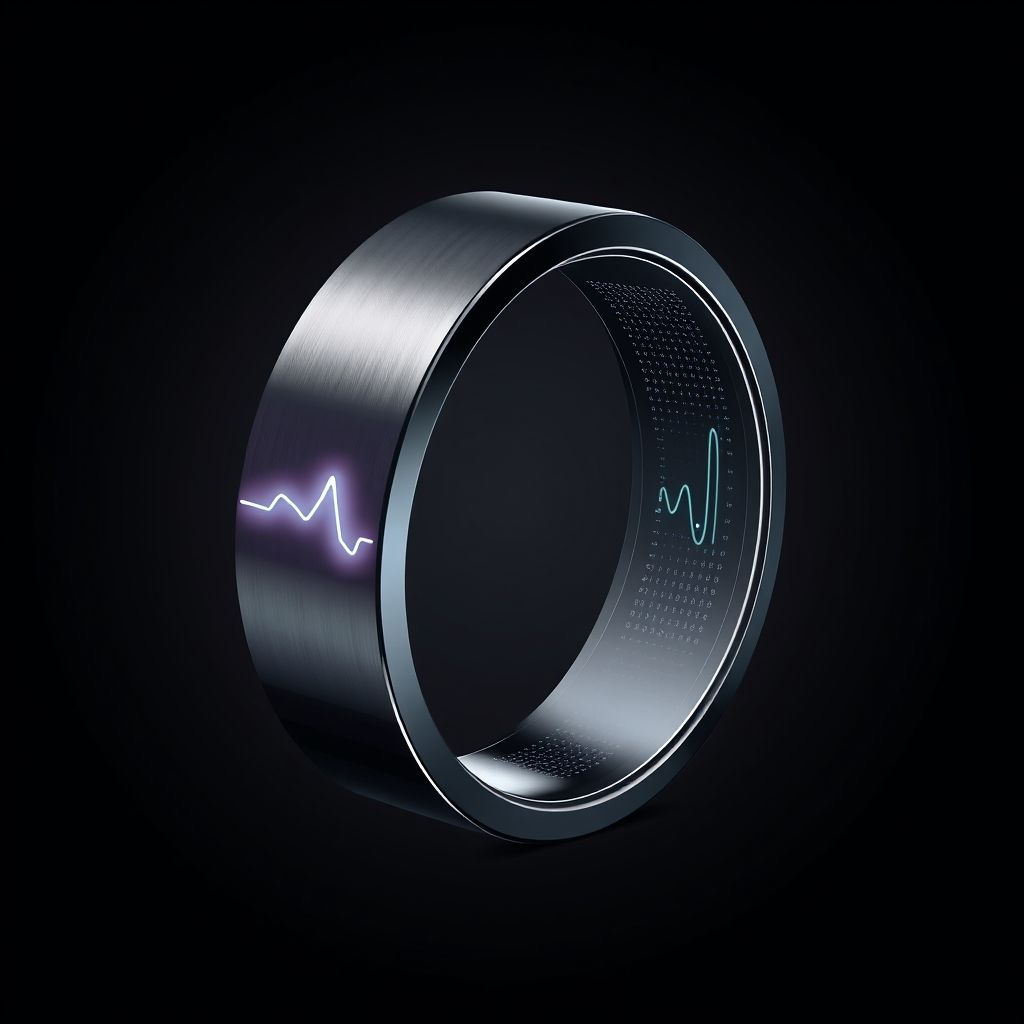
تحلّ الخواتم الذكية بهدوء محل أساور اللياقة بوصفها أداة التتبع الصحي المستمر المفضّلة لدى شريحة متنامية من المستخدمين في 2026 — لا لأنها تضيف قدرات جديدة، بل لأنها تُزيل الشيء الوحيد الذي جعل الأجهزة القابلة للارتداء مزعجة: الشاشة والمعصم الذي تضطر إلى النظر إليه.
توصّل كلٌّ من Oura وGalaxy Ring من سامسونج، إضافةً إلى موجة من الداخلين الجدد إلى السوق، إلى الاستنتاج ذاته — معظم قيمة التتبع الصحي المستمر تأتي من الاستشعار السلبي في الخلفية (مراحل النوم، وتقلبية معدل ضربات القلب HRV، واتجاهات درجة الحرارة، ودرجات الاستعداد)، لا من التفاعلات النشطة مع الشاشة. والخاتم قادر على تقديم هذه القيمة دون أي من الضخامة الجسدية أو قلق الشحن أو الوعي الاجتماعي المصاحب للأجهزة المثبتة على المعصم.
لماذا تتفوق الخواتم على الأساور في الاستشعار السلبي
تتميز الأصابع بتركيز أكبر من الأوعية الدموية وتأثيرات حركية أقل مقارنةً بالمعصم أثناء النوم، مما يجعل تقنية PPG — الأسلوب البصري المستخدم لقياس معدل ضربات القلب وأكسجين الدم — أكثر دقةً بشكل ملحوظ على الخاتم منه على السوار، ولا سيما للمقاييس الليلية كمعدل ضربات القلب أثناء الراحة RHR وتقلبية معدل ضربات القلب HRV. وهذا ليس فارقًا هامشيًا: فقد توصّلت عدة دراسات للتحقق السريري في 2026 مقارنةً بين دقة PPG للخواتم ودقتها على المعصم إلى أن الخواتم تقع في نطاق 1-2% من القياس المرجعي بتخطيط القلب الكهربائي لـ RHR، مقارنةً بتباين أوسع لأجهزة الاستشعار البصرية المثبتة على المعصم أثناء النوم.
عمر البطارية هو الميزة الهيكلية الثانية. لا تحتوي الخواتم الذكية على شاشة تحتاج إلى إضاءة خلفية، وتأتي عادةً بمجموعة استشعار أصغر حجمًا وأكثر كفاءةً في استهلاك الطاقة، مما يمنح معظم الطرازات عمر بطارية يتراوح بين 4 و7 أيام مقابل يوم إلى يومين للساعة الذكية ذات الشاشة الدائمة. وبالنسبة لتتبع النوم تحديدًا — وهو يُعدّ على الأرجح المقياس المستمر الأكثر قيمةً على الإطلاق — فإن هذا الفارق في البطارية بالغ الأهمية، إذ إن الجهاز الذي يحتاج إلى الشحن كل ليلة لن يُرتدى أثناء النوم باستمرار.
غياب الشاشة هو صُلب الفكرة، لا قيدًا عليها
كثيرًا ما يُصوَّر غياب الشاشة على أنه قيد، غير أنه في حالة الاستخدام المحددة لتتبع الصحة السلبي يقترب أكثر من كونه ميزة. يتحقق المستخدمون من إشعارات الساعة الذكية بصورة قهرية طوال اليوم — وهو نمط سلوكي يُقوّض مبدأ «التتبع غير المرئي» الذي تُفترض أن تقدمه هذه الأجهزة. الخاتم ماديًا لا يستطيع إرسال اهتزاز إشعار أو عرض شاشة يُلقي عليها المستخدم نظرة خاطفة، مما يُرغم نموذج التفاعل على التحول نحو تطبيق مرافق يُراجَع مرة أو مرتين يوميًا — وهو أقرب إلى الطريقة التي يريد الناس فعلًا التعامل بها مع بيانات الصحة: مراجعةً متأنية لا رصدًا قهريًا.
ويفسر هذا أيضًا سبب إقبال فئة غير متوقعة من المستخدمين على الخواتم — أولئك الذين رفضوا الساعات الذكية صراحةً، سواء لعدم ارتياحهم للتكنولوجيا الظاهرة على معصمهم في البيئات المهنية، أو لأنهم وجدوا أن سلوك التحقق القهري من الساعة الذكية يُفسد بنشاط الأهداف الصحية التي صُمِّم الجهاز أصلًا لدعمها.
أين لا تزال الخواتم قاصرة
لا تُعدّ الخواتم الذكية بديلًا عن الساعة الذكية للمستخدمين الذين يريدون مقاييس التمرين في الوقت الفعلي، أو تتبع GPS، أو الإشعارات على الجهاز — إذ يمثل غياب الشاشة قيدًا حقيقيًا أثناء التمرين النشط، حيث يهم التحقق من الوتيرة أو منطقة معدل ضربات القلب في منتصف الجري. كما أن المقاس يُمثّل نقطة احتكاك أكبر مما هو عليه في السوار: تستلزم الخواتم ملاءمةً دقيقة (تُرسل كثير من العلامات التجارية أطقم تحديد المقاس قبل الشراء الفعلي)، وقد يتفاوت حجم الإصبع تبعًا لدرجة الحرارة والترطيب ووقت اليوم بطرق لا يتأثر بها محيط المعصم.
تكاليف الاشتراك هي نقطة الخلاف الأخرى. نموذج Oura — شراء الجهاز مرة واحدة مع اشتراك شهري إلزامي للوصول إلى معظم المقاييس — استقطب انتقادات متواصلة، في حين ينقسم المنافسون الداخلون إلى السوق بين اتباع هذا النموذج وتقديم الوظائف الكاملة مع شراء الجهاز مباشرةً دون اشتراكات.
ما يجب مراعاته قبل الشراء
إن كان اهتمامك الأساسي بجودة النوم وتتبع التعافي والاتجاهات الصحية السلبية بدلًا من مقاييس التمرين في الوقت الفعلي، فإن الخاتم الذكي أصبح الآن أداةً أفضل فعلًا من الساعة الذكية لهذه المهمة تحديدًا — مزايا الدقة وعمر البطارية حقيقية وليست مجرد تسويق. أما إن كنت تعتمد على الجري المُتتبَّع بـ GPS أو بيانات الوتيرة الحية أو المقاييس الخاصة بالتمرين، فأبقِ على ساعتك الذكية وتعامل مع الخاتم بوصفه إضافةً مخصصةً للنوم لا بديلًا عنها. وقبل الشراء، تحقق مما إذا كانت المقاييس الأساسية للعلامة التجارية محجوبةً خلف اشتراك — فهذه التكلفة المتكررة، أكثر من طقم تحديد المقاس أو دقة الاستشعار، هي التفصيلة الأرجح لإفساد تجربة الشراء بعد ستة أشهر.