Um prompt GPT-5 melhor para triagem de bugs e tickets de engenharia
Porque é que este prompt importa
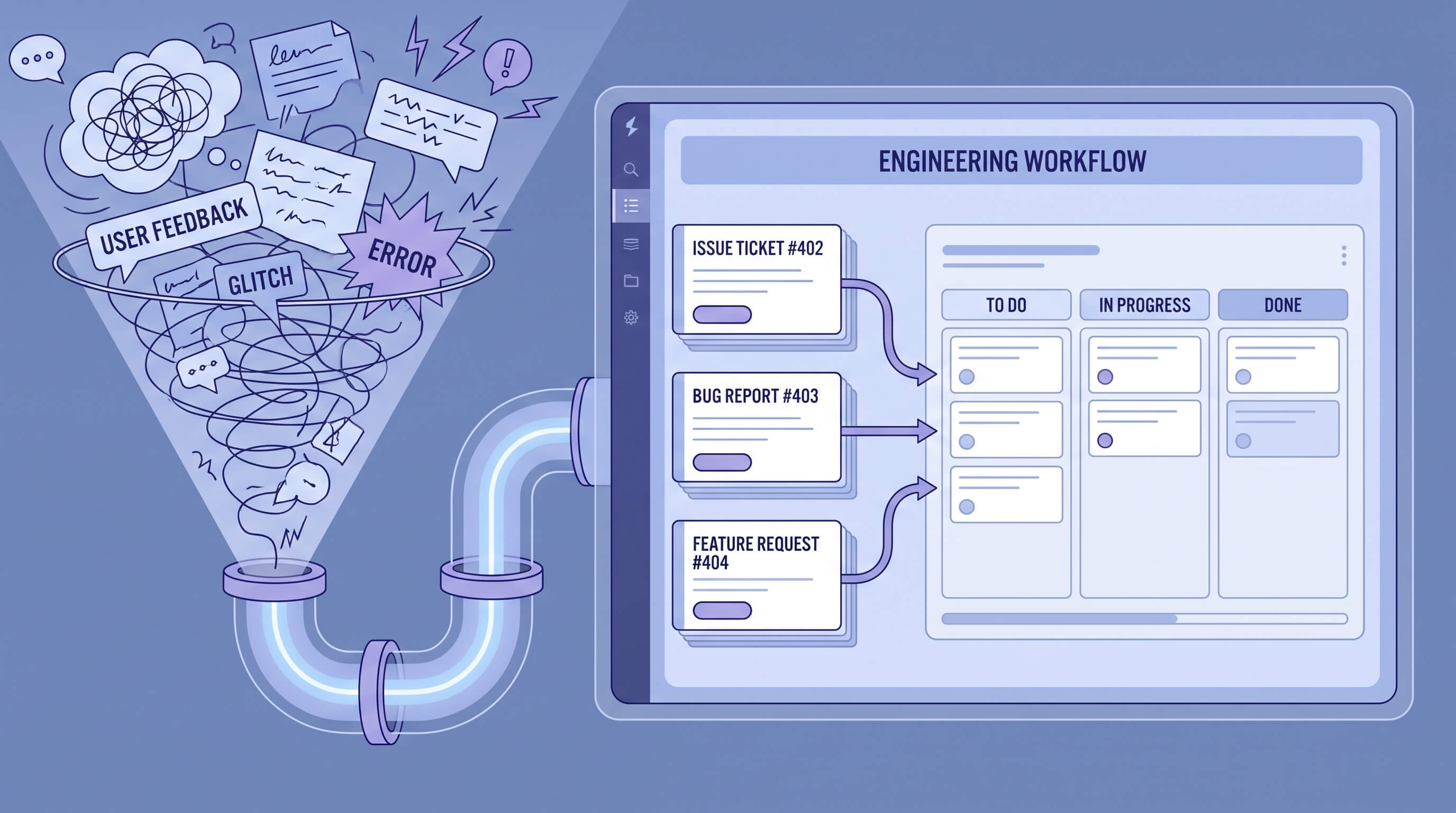
Bug reports often arrive as incomplete fragments, which slows triage and wastes engineering time. A strong prompt can turn scattered evidence into a structured ticket, help teams ask better follow-up questions, and get serious issues to the right owner faster.
Para que o usamos
Turning messy support reports, QA notes, and Slack complaints into clear engineering tickets with reproduction steps, likely causes, and a usable test checklist.
Prompt
Act as a senior product engineer helping me turn a messy bug report into an actionable engineering ticket.

I will paste one or more of the following:
- a user complaint, support ticket, Slack message, or QA note
- screenshots or copied error text
- logs, stack traces, or reproduction notes
- product context, expected behavior, and environment details

Your job is to convert that information into a clear engineering-ready output.

Tasks:
1. Write a one-paragraph summary of the likely problem in plain English.
2. Extract the most important facts, symptoms, and constraints.
3. List missing information that should be collected before implementation starts.
4. Propose the most likely root causes, ordered by probability.
5. Create exact reproduction steps. If the evidence is incomplete, write the best provisional steps and label assumptions.
6. Turn the issue into a structured engineering ticket with these sections:
   - Title
   - Problem
   - Expected behavior
   - Actual behavior
   - Reproduction steps
   - Suspected scope or affected components
   - Severity and user impact
   - Suggested owner or team
   - Acceptance criteria
   - Test checklist
7. End with a short triage recommendation: urgent, high, medium, or low, and explain why.

Rules:
- Do not invent facts.
- Separate confirmed information from assumptions.
- Prefer concise, high-signal wording over generic filler.
- If logs or evidence point to multiple causes, say so clearly.
- Write the final ticket so it can be pasted directly into Linear, Jira, or GitHub Issues.

Return your answer in this structure:
1. Summary
2. Confirmed facts
3. Missing information
4. Likely root causes
5. Reproduction steps
6. Engineering ticket
7. Triage recommendation
Resultado
Summary: Users are being logged out after uploading large files on mobile Safari. Confirmed facts: the issue appears on iOS 17, affects files above 100MB, and correlates with a 413 response from the upload service. Missing information: exact device models, account tier, and whether the issue reproduces on Wi-Fi and cellular. Likely root cause: session reset after failed chunk negotiation. Triage recommendation: high, because the bug blocks a core workflow for affected users.
Imagem gerada
Alguns dos bugs mais caros não são necessariamente os mais difíceis de corrigir. O problema é que eles chegam em pedaços: uma mensagem frustrada de cliente, uma nota vaga de QA, uma captura de tela sem contexto e um trecho de logs perdido no Slack. Antes de alguém corrigir o problema, alguém precisa transformar essa bagunça em um ticket que a equipe de engenharia consiga realmente usar.
Este prompt para GPT-5 foi feito exatamente para isso. Ao fornecer um ticket de suporte, um relato interno, um erro copiado ou anotações iniciais de reprodução, ele organiza o sinal em um pacote de triagem muito mais útil. Em vez de sair da reclamação direto para o achismo, você recebe um resumo, fatos confirmados, informações ausentes, causas prováveis, passos de reprodução e um ticket estruturado pronto para Linear, Jira ou GitHub Issues.
- Acelere a triagem: transforme relatos dispersos em algo acionável em minutos.
- Melhore os handoffs: dê a suporte, QA, produto e engenharia um formato comum.
- Reduza a falsa certeza: mantenha fatos confirmados separados de suposições.
- Planeje testes mais cedo: inclua critérios de aceitação e uma checklist de testes desde o começo.
O valor real aqui não é apenas escrever de forma mais organizada. É tomar decisões melhores. Quando a equipe consegue ver com clareza o que já se sabe, o que está faltando e o que provavelmente quebrou, fica mais fácil encaminhar incidentes urgentes e gastar menos tempo decifrando relatos vagos.