سورسکد را به مستندات API قابلاستفاده برای تیم تبدیل کنید
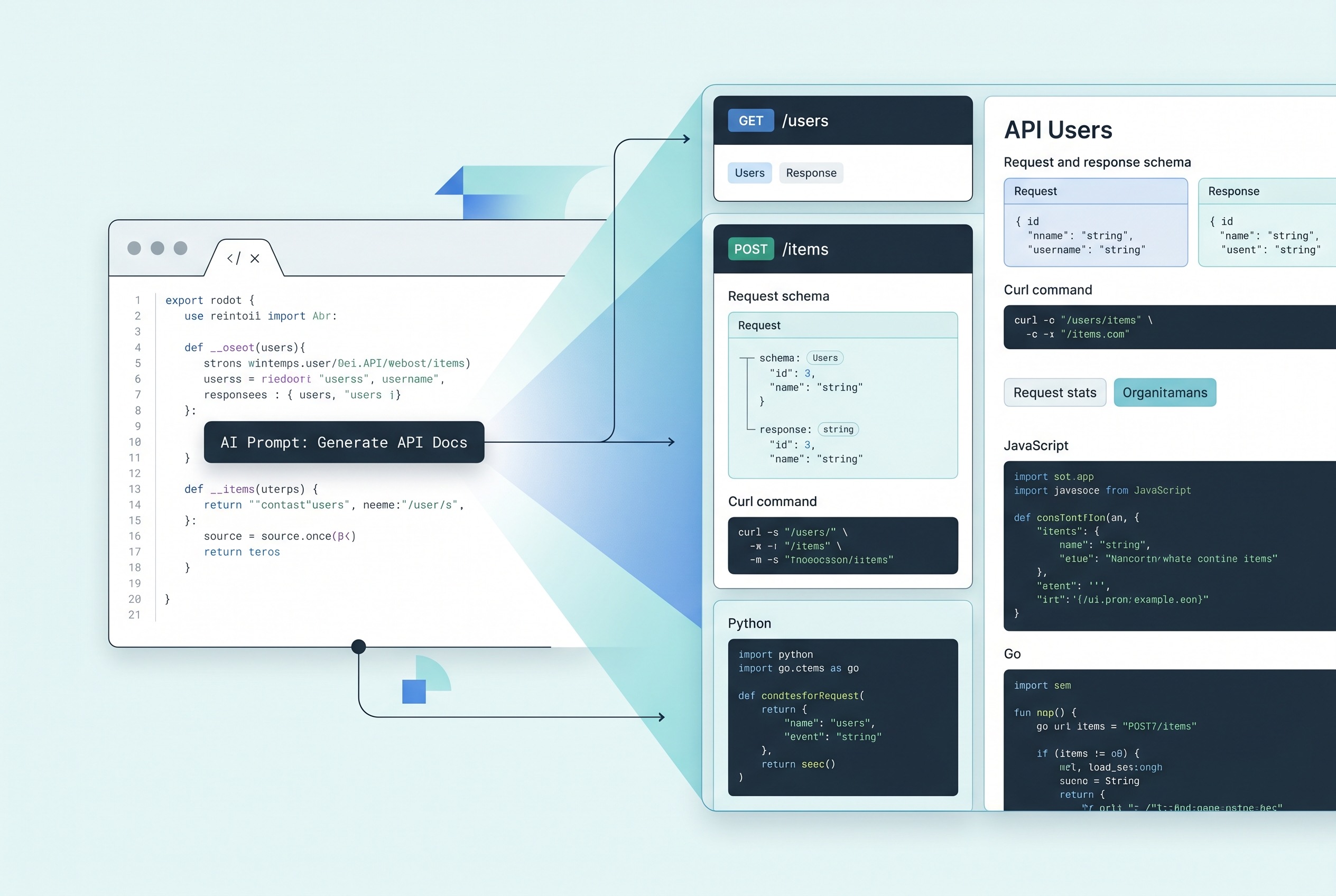
چرا این پرامپت اهمیت دارد
Bad API docs slow integration, create support tickets, and turn simple launches into guesswork. A strong prompt helps teams extract the contract from real code, catch missing edge cases early, and ship cleaner developer experience without starting from a blank page.
ما از آن برای چه استفاده میکنیم
Use this when you have working API code but weak or outdated documentation, especially before handing an endpoint to frontend engineers, partners, QA teams, or external developers.
پرامپت
Role: Act as a senior API platform engineer and technical writer.

Context: I will give you source code, route definitions, validators, example payloads, and any notes I have. The code may be incomplete, inconsistent, or lightly documented. Your job is to infer the real API contract from the implementation without inventing behavior that is not supported by the code.

Task: Produce complete API documentation for [API NAME] based on the code and notes I provide. Document each endpoint with: purpose, HTTP method, path, authentication requirements, request headers, path/query/body parameters, validation rules, request example, success response example, error responses, important edge cases, and one curl example. If the API behavior is ambiguous, explicitly label the uncertainty and list the exact code area that needs human review.

Inputs:
- Product/service name: [API NAME]
- Intended audience: [INTERNAL DEVELOPERS | PARTNERS | PUBLIC DEVELOPERS]
- Source code or route files: [PASTE CODE OR FILE CONTENTS]
- Validation schemas / types: [PASTE SCHEMAS]
- Auth details: [PASTE AUTH LOGIC OR NOTES]
- Known business rules: [PASTE NOTES]

Constraints:
1. Do not invent endpoints, fields, or response codes that are not supported by the inputs.
2. Separate confirmed behavior from inferred behavior.
3. Use plain English and keep jargon low unless the code requires it.
4. Include warnings for breaking changes, unsafe defaults, or inconsistent naming.
5. If examples are missing, generate clearly labeled illustrative examples that match the schema.
6. Call out undocumented pagination, rate limits, idempotency behavior, retries, and nullability when visible in code.
7. End with a short section titled "Gaps to confirm with engineering".

Output Format:
Return the result in this exact structure:
1. API overview
2. Authentication
3. Base URL and versioning
4. Endpoint reference (repeat per endpoint)
5. Error model
6. Common workflows
7. Breaking-change and quality risks
8. Gaps to confirm with engineering
نتیجه
تصویر تولیدشده
این Prompt برای تیمهایی است که API واقعی دارند اما مستنداتشان ضعیف یا قدیمی است. بهجای درخواست کلی برای نوشتن مستندات، مدل را وادار میکند جزئیات پیادهسازی را بخواند، رفتار قطعی را از حدس جدا کند و خروجیای بسازد که تیم فنی واقعاً بتواند از آن استفاده کند.
ساختار Prompt حسابشده است. بخش Role مدل را همزمان در نقش مهندس پلتفرم API و نویسنده فنی قرار میدهد. بخش Context به مدل یادآوری میکند که کد ممکن است ناقص یا نامنظم باشد، بنابراین باید ابهامها را آشکار کند. بخش Task هم چیزهایی را میخواهد که در کار واقعی اهمیت دارند: auth، validation، ساختار request و response، خطاها، edge caseها و مثالهای curl.
بخش Constraints این Prompt را کاربردی میکند. مدل نباید endpoint یا فیلدی را از خودش بسازد، باید ابهامها را واضح برچسب بزند و نکاتی مثل pagination، rate limits، idempotency، retry و nullability را هم بررسی کند. معمولاً همین جزئیات در مستندات دستی جا میمانند.
اگر با FastAPI، Express، Laravel، Django، Rails، Go یا backendهای Java کار میکنید، این Prompt راه سریعی برای تبدیل پیادهسازی به یک قرارداد قابلاستفاده است. همچنین قبل از انتشار مستندات، مثل یک مرحله QA خوب عمل میکند و نامهای ناهماهنگ فیلدها یا کدهای خطای مستندنشده را بیرون میکشد.