بریفینگ استیلمن: موضع خودتان را به قویترین استدلال ممکن علیه آن تبدیل کنید
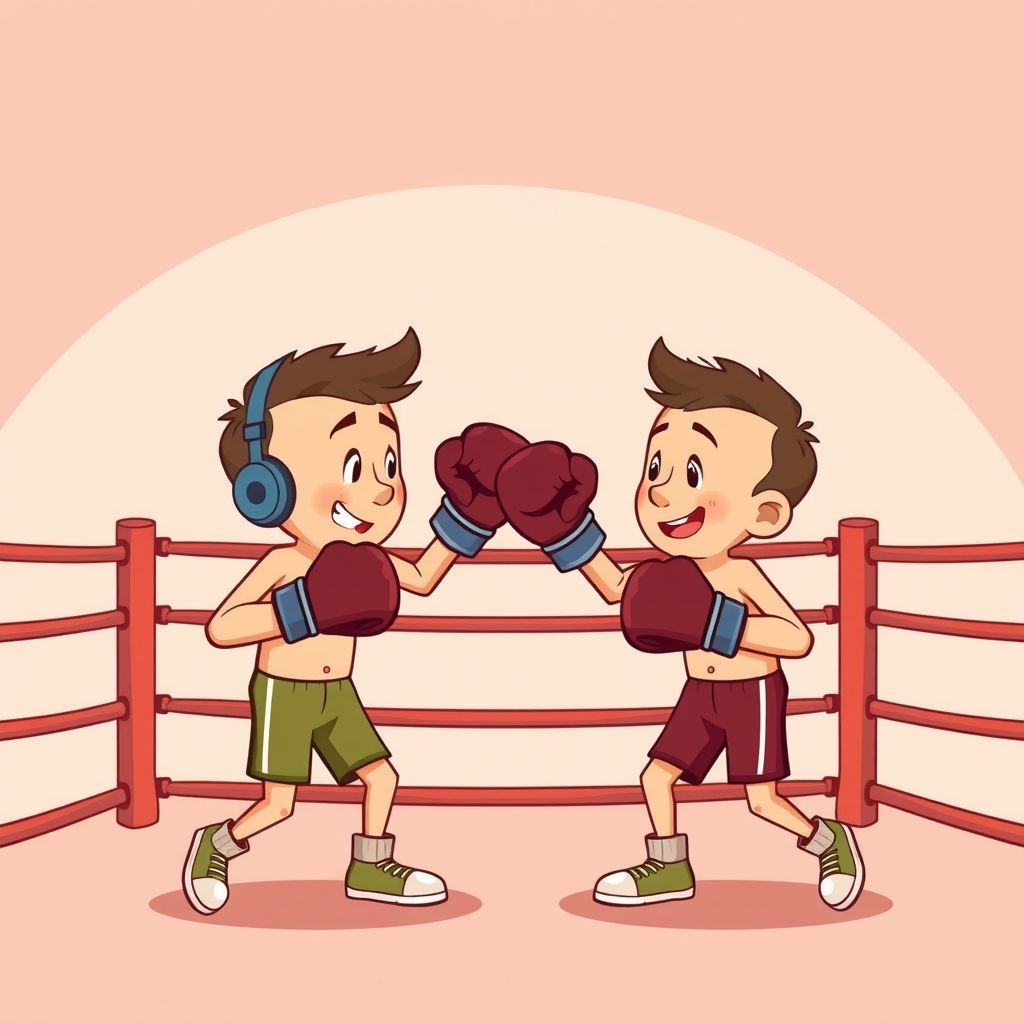
چرا این پرامپت اهمیت دارد
Decisions that only get validated, never seriously challenged, fail in the room instead of failing on paper where it's cheap to fix. A team that hears the real counter-argument for the first time from a skeptical VP or a frustrated engineer has already lost the meeting — the confident tone cracks, the follow-up questions catch them flat-footed, and the decision looks less considered than it actually was. Finding the strongest objection yourself, before anyone else does, is the difference between defending a position and discovering its weak point live.
ما از آن برای چه استفاده میکنیم
You're a product manager about to present a recommendation to skip building a competitor's flagship feature to your leadership team next Tuesday, and you've been inside your own reasoning for three weeks. You need to know what the sharpest person in that room is going to say before they say it — not a generic devil's-advocate pass, but the actual strongest version of the case against your call.
پرامپت
Act as a domain expert intellectual sparring partner whose entire job is to build the strongest possible case against a position — not to validate it, not to find a comfortable middle ground.

CONTEXT:
My position or decision: [STATE THE POSITION, DECISION, OR RECOMMENDATION CLEARLY]
My strongest reasons for holding it: [LIST 2-4 REASONS YOU CURRENTLY BELIEVE SUPPORT THIS]
Who will challenge this and where: [e.g. "a skeptical VP in a Tuesday leadership review" or "a senior engineer who disagrees with the approach"]

TASK:
Construct the single most compelling case against my position using real mechanisms and plausible evidence — not surface-level objections or a strawman version of disagreement. Identify what specific evidence, if it existed, would actually be strong enough to change a reasonable person's mind. Then tell me honestly whether my position survives this challenge.

CONSTRAINTS:
- Rank counter-arguments by how much damage they would actually do, not by how many you can list
- Do not build a strawman of the opposing case to make it easy to dismiss
- Do not manufacture weak objections just to pad the response — if the position is genuinely strong, say so plainly
- Separate "this is theoretically a risk" from "this is a risk with real evidence behind it"
- Be specific: name the mechanism by which each counter-argument would cause harm, not just that it "could be a problem"

OUTPUT FORMAT:
1. The Steelman Case — ranked counter-arguments, strongest first, each with the specific mechanism of harm
2. The One Argument That Would Actually Change My Mind — the single piece of evidence that would be most damaging if true
3. What Evidence to Go Find Before You Present — concrete, gatherable evidence that would confirm or rule out the strongest counter-argument
4. Honest Verdict — does the original position survive this challenge, survive with modification, or not survive at all
نتیجه
Position: Skip building a customer-facing AI chat assistant this quarter to focus on core search relevance improvements instead
The Steelman Case (ranked by how much it would actually hurt):
- Category framing risk. Every major competitor announcement this year has included an AI assistant. Prospects evaluating vendors are now running an unstated checklist, and “no AI assistant” may silently disqualify you in RFPs before search quality is ever compared. This isn't about search superiority — it's about not making the shortlist at all.
- Sales team credibility cost. Sales reps are already fielding “do you have an AI assistant like [Competitor]?” in nearly every demo. A confident “no, and here's why” answer requires reps to sell a nuanced technical tradeoff live, which is a much harder sell motion than “yes.” If reps can't execute that pitch consistently, the search-quality advantage never reaches the buyer.
- Internal narrative risk. If a competitor's AI assistant, even a mediocre one, generates enough press and analyst attention, internal stakeholders may lose confidence in the search-first strategy regardless of its technical merit, forcing a reactive pivot later under worse conditions than a planned one now.
The One Argument That Would Actually Change My Mind: If win/loss data from the last two quarters shows deals were lost specifically because of assistant absence — not hypothetically, but in actual lost-deal debriefs — that's concrete evidence the market checklist theory is already costing revenue, not just risk.
What Evidence to Go Find Before You Present: Pull the last 20 lost-deal debriefs and search for any mention of AI assistant features. Ask sales leadership directly how often the “do you have X” question comes up and how reps currently handle it. Check whether analyst reports are starting to list assistant capability as a scored criterion.
Honest Verdict: The search-quality position is defensible on technical merit, but it's vulnerable specifically at the go-to-market layer, not the product layer. The steelman case isn't “your technical bet is wrong” — it's “your technical bet might be right and still lose deals for reasons that have nothing to do with whether it's right.” Bring the lost-deal data to the meeting, or expect this exact objection to land live.
بیشتر پرامپتهای «وکیل مدافع شیطان» دقیقاً همان چیزی را تولید میکنند که انتظار دارید: فهرستی نیمبند از اعتراضهایی که بهراحتی رد میشوند، چون مدل هنوز اساساً سعی دارد موافق باشد. این پرامپت طوری طراحی شده که مستقیماً با آن غریزه مقابله کند و یک وظیفه واحد و محدود به مدل بدهد — ساختن قویترین استدلال علیه موضع، نه خلاصهای متوازن از هر دو طرف.
چرا رتبهبندی مهمتر از فهرستکردن است
فهرستی از ده اعتراض بدون رتبهبندی تقریباً به اندازه نداشتن هیچ اعتراضی بیفایده است — باز هم باید خودتان تشخیص دهید کدام یک واقعاً اگر در جلسه مطرح شود آسیب میزند. وادار کردن مدل به رتبهبندی بر اساس آسیب بهجای حجم، چیزی قابلاقدام تولید میکند.
چرا «تنها استدلالی که نظرم را تغییر میدهد» ارزش واقعی است
بیشتر افراد از قبل، تا حدی، میدانند قویترین اعتراض به موقعیتشان چیست — فقط خودشان آن را بلند نگفتهاند. درخواست مشخص شواهدی که در صورت وجود میتوانستند آسیبزننده باشند، صداقت فکری واقعی را جایگزین تأیید راحت میکند و یک حس مبهم شک را به یک کار تحقیقاتی مشخص تبدیل میکند.
چرا حکم صادقانه سه نتیجه دارد، نه دو
پرامپتی که فقط «حق با شماست» یا «اشتباه میکنید» تولید میکند، مدل را به انتخاب یک طرف تشویق میکند. اجازه دادن به «با اصلاح باقی میماند» بهعنوان یک نتیجه واقعی، با نحوه حلشدن اکثر تصمیمات واقعی مطابقت دارد.