پیش از سرمایهگذار خطرپذیر، طرح خود را محک بزنید
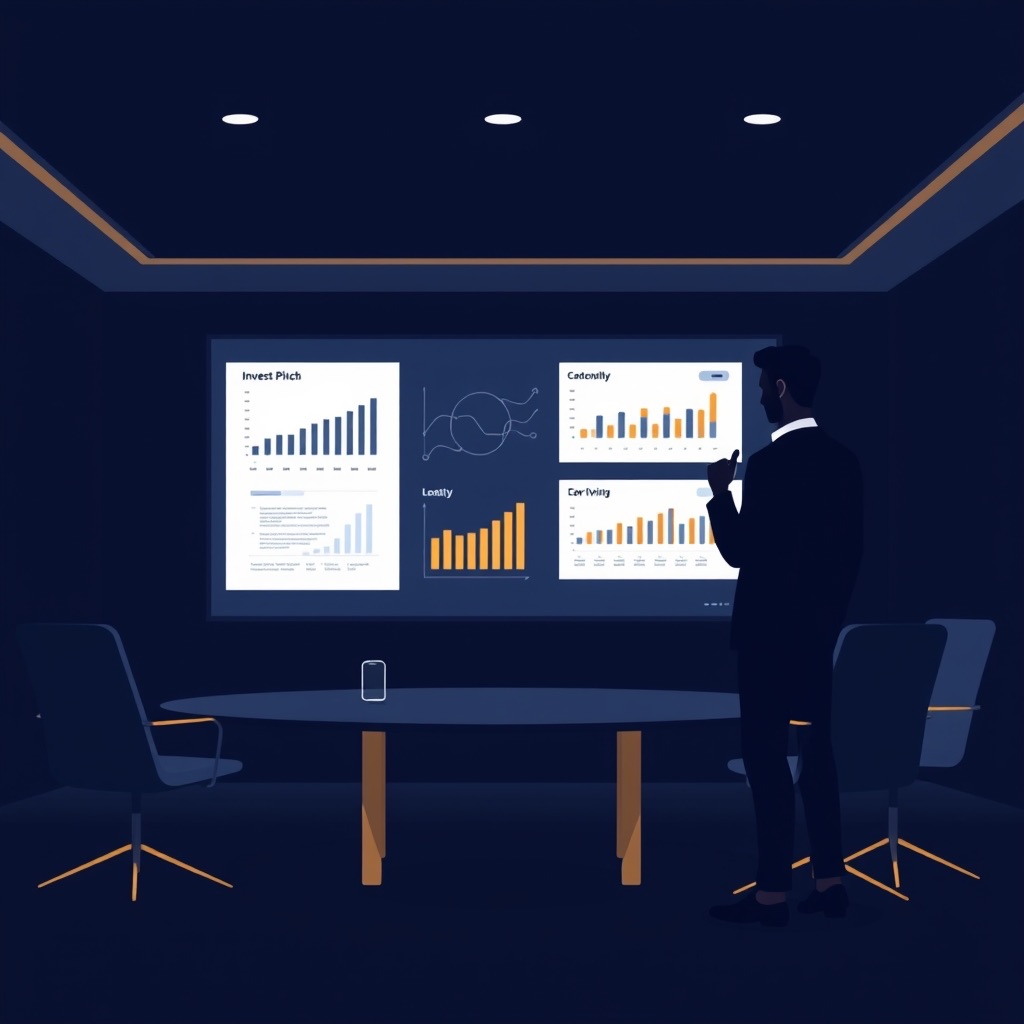
چرا این پرامپت اهمیت دارد
Most founders lose rounds not because their business is weak, but because they're caught off-guard by three or four questions they never prepared for. The questions that kill pitches -- TAM methodology, defensibility against a well-funded competitor entering the space, why this team and not a stronger one -- are predictable. Getting them on paper before the meeting converts a potential surprise into a rehearsed answer.
ما از آن برای چه استفاده میکنیم
You have a Series A pitch scheduled in 48 hours. Your deck has been through internal review and advisor feedback, but no one has actively tried to find the weaknesses in your thesis. You need adversarial stress-testing before you walk into the room.
پرامپت
You are a skeptical [VC_FIRM_PROFILE] Series A venture capital partner who has reviewed over 500 pitch decks in the [INDUSTRY] sector. You are known for identifying the three or four questions that expose the core weaknesses in a founder's thesis.

I am a [STARTUP_STAGE] startup in [INDUSTRY]. Here is the content of my pitch deck:

[DECK_CONTENT]

Your task: Generate the 10 hardest, most incisive questions you would ask this founding team in a 45-minute partner meeting. These should be the questions that make founders pause, hedge, or reveal assumptions they haven't fully stress-tested.

For each question:
1. State the question exactly as you would ask it in the room
2. Explain in one sentence WHY this question is dangerous (what weakness it's probing)
3. Provide a strong suggested answer the founder should prepare -- 3-5 sentences, specific, with data if possible

Focus areas to draw from (but don't limit yourself to): market sizing methodology, defensibility and moat, unit economics and path to profitability, team capability gaps, competitive response from incumbents, go-to-market assumptions, customer acquisition cost and payback period, churn drivers, regulatory risk, and why this team specifically can win.

Format your output as a numbered list 1-10. Be direct. Do not soften the questions.
نتیجه
Simulated output for a B2B SaaS startup targeting mid-market HR teams, raising a $5M Series A with $800K ARR and 15% month-over-month growth.
"Your TAM slide shows $18 billion. Walk me through exactly how you arrived at that number."
Why it's dangerous: Bottom-up TAM calculations almost always contain an assumption that multiplies the error by orders of magnitude. If you used a top-down market research figure, most partners will immediately discount it.
Suggested answer: "We built this bottom-up. There are approximately 180,000 companies in the US with 50-500 employees, which is our ICP. Our current ACV is $28,000 per year. Penetrating 35% of that segment -- which matches comparable penetration rates for tools like Rippling and Lattice at Series A -- gets us to roughly $1.8B in serviceable addressable market. The $18B figure is global TAM using the same employee density ratios across EMEA and APAC, where we have no current plans to operate before Series B.""Workday, SAP SuccessFactors, and BambooHR all have HR analytics modules. What happens when they copy your core feature and bundle it for free?"
Why it's dangerous: Incumbent bundling is the most common way mid-market SaaS companies get killed. If your moat is features, not data or network effects, this question exposes that.
Suggested answer: "We've seen Workday announce a competing module twice in the past 18 months. In both cases, our churn did not increase -- it actually dropped, because customers were evaluating the market and choosing to stay with us. Our defensibility is in the data layer: we aggregate real-time compensation benchmarks from 4,200 integrated payroll providers, which Workday cannot replicate without those data partnerships. The feature is the product; the data is the moat.""You're showing 15% MoM growth. What's driving it -- marketing, product, or word of mouth -- and which channel will break first as you scale?"
Why it's dangerous: Growth that looks impressive at $800K ARR often relies on a single channel that saturates between $2M and $5M ARR. If you can't answer this precisely, it signals you don't understand your growth engine well enough to spend $5M efficiently.
Suggested answer: "Sixty-two percent of new ARR this quarter came from inbound SEO and referral. Our CAC through those channels is $4,200 against an ACV of $28,000 -- that's a 6.7x ratio, which we consider durable. The channel most at risk of saturation is LinkedIn outbound, which accounts for 19% of pipeline. We're deliberately under-investing in paid acquisition until we understand whether the SEO channel holds past $3M ARR, which is what this round is partially designed to test.""Your NRR is 108%. That's good, but the benchmark for top-quartile Series A SaaS is 115-120%. What's holding expansion revenue back?"
Why it's dangerous: NRR below 115% at Series A is a yellow flag for most institutional investors. If you can't explain the gap, they'll assume product-market fit is shallower than the headline numbers suggest.
Suggested answer: "The bottleneck is seat expansion. Our current packaging lets customers add HR managers at $400 per seat per month, but 73% of expansion happens when a company crosses 200 employees and needs to activate the workforce planning module. That threshold is 14 months out for 40% of our current customer base. We're projecting NRR of 118% in Q4 as the first cohort hits that employee threshold. Part of this round is funding a customer success hire specifically to accelerate activation at that inflection point.""Your two technical co-founders left their previous company after 18 months. What happened, and why does that not happen here?"
Why it's dangerous: Co-founder departures are one of the top causes of Series A company failure. Investors check LinkedIn and reference calls. If you're not the one to address this directly, they'll draw their own conclusion.
Suggested answer: "The previous company had a founder conflict over the pivot to enterprise, which required a very different go-to-market than either of them wanted to build. They left on good terms -- the CEO is actually one of our advisors. The difference here is that we've been explicit from day one about our go-to-market model, we have a board seat reserved for an independent director as a structural conflict resolution mechanism, and we've been working together on this problem for three years including two years pre-revenue. I'd suggest you call Maya Chen at [previous company] directly -- I can provide her contact.""What's your gross margin, and what does it look like at 5x your current ARR?"
Why it's dangerous: SaaS businesses with gross margins below 65% at Series A often have hidden professional services or infrastructure costs that compress margins further at scale instead of improving them.
Suggested answer: "We're at 71% gross margin today. The main cost is data infrastructure -- we're running on AWS and spend about $180 per customer per year on compute and storage. At 5x ARR with the same customer mix, we project gross margin expands to 76-78% because our data pipeline costs are largely fixed above 500 customers. We have a term sheet from Azure for a migration credit that would accelerate that improvement by approximately two quarters.""Your payback period is 22 months. How do you survive a market downturn where customers churn at month 18?"
Why it's dangerous: A payback period longer than 18 months means you're underwater on every customer if they churn before the breakeven point. In a downturn, HR software is often the first budget cut.
Suggested answer: "We've modeled this scenario explicitly. Our average contract length is 24 months with an 80% renewal rate. In a stress scenario where renewal rates drop to 65% -- which is what happened in the 2022 SaaS downturn across comparable tools -- we remain cash-flow neutral with this raise because the cohorts from months 1-12 are all past payback. The risk is on the cohorts we acquire in months 18-30, which is why we're intentionally slowing new logo acquisition in favor of expansion revenue from the existing base during the first 6 months post-close.""You have one enterprise customer at $180K ACV that represents 22% of your ARR. What happens if they churn?"
Why it's dangerous: Customer concentration above 10% of ARR is a standard Series A red flag. It signals sales motion is not repeatable and creates existential risk.
Suggested answer: "You're right that this is a concentration risk and we've disclosed it. That customer is Accenture's HR operations group, and they've expanded twice. We've deliberately stopped pursuing enterprise deals above $100K ACV until we can hire a dedicated enterprise AE -- which is budgeted in this round. Our goal is to reduce that customer's share of ARR to below 10% by Q3 next year purely through new logo growth. If they churned today, we would still have $2.5M ARR and eight months of runway at current burn, which gives us time to adjust.""California, New York, and Illinois all have pending legislation on algorithmic compensation tools. Have you had legal review of whether your product triggers those regulations?"
Why it's dangerous: Regulatory risk in HR tech is underestimated by most founders and overweighted by investors who've been burned before. If you can't answer this specifically, it signals you haven't done the diligence.
Suggested answer: "Yes. We engaged Littler Mendelson in January to review our product against New York Local Law 144, California AB 331, and Illinois HB 3773. The determination is that our tool qualifies as a 'human-assisted decision support system' rather than an 'automated employment decision tool' under each of those statutes, primarily because compensation decisions require a human approval step before any output is applied. We have that opinion letter and can share it under NDA. We monitor this quarterly -- it's on the board agenda every cycle.""Why are you the team that wins this? There are three Y Combinator companies in this space with more engineering talent and a lower burn rate."
Why it's dangerous: This is the question that kills pitches most often. Founders answer with domain expertise and passion -- neither of which is a structural advantage. The real answer is about distribution, data, or a specific unfair advantage.
Suggested answer: "The three YC companies you're referring to are building top-down analytics for CHROs. We're building bottom-up compliance and benchmarking for the HR operations manager who actually runs payroll. That's a different buyer, a different sales motion, and a different data asset. Our advantage is the 4,200 payroll integrations we've spent 18 months building -- that is not replicable in a year by a team that hasn't prioritized it. We also have two former Sequoia portfolio company CHROs as angels who open doors that YC network access alone does not."
چرا ارائه شما هنوز آماده نیست
شما ارائه خود را از طریق سه دور بازخورد داخلی اصلاح کردهاید. همبنیانگذاران شما آن را دوست دارند. مشاوران شما گفتهاند که محکم است. اما هیچکدام منافع مالی در اثبات اشتباه شما ندارند – یک سرمایهگذار خطرپذیر دارد.
سرمایهگذاران سری A به صورت حرفهای بدبین هستند. شغل آنها یافتن همان نقص مهلک در تز شما پیش از واریز ۱۰ میلیون دلار است. بیشتر بنیانگذاران آن نقصها را تا زمانی که روبروی شریک صندوق نشستهاند و برای یافتن پاسخی که باید هفتهها پیش آماده میشد، دست و پا میزنند، کشف نمیکنند.
این Prompt آن پویایی را تغییر میدهد. این دستور یک هوش مصنوعی را مجبور میکند تا ذهنیت یک سرمایهگذار بدبین را در خود ایجاد کند و سوالاتی را که حامیان شما هرگز نپرسیدهاند، آشکار سازد.
ساختار Prompt: چرا هر بخش وجود دارد
تعیین نقش
Prompt با دستور به هوش مصنوعی برای ایفای نقش به عنوان یک شریک بدبین سرمایهگذار سری A در یک صندوق با ویژگیهای خاص آغاز میشود. این کار تزئینی نیست. تعیین نقش، مدل را مجبور میکند تا یک لنز ارزیابی یکپارچه اتخاذ کند – تطبیق الگو با مدلهای ذهنی سرمایهگذارانی که صدها ارائه دیدهاند، نه لنز حمایتی مشاورانی که میخواهند شما موفق شوید.
بلوک زمینه
فیلدهای [STARTUP_STAGE]، [INDUSTRY] و [VC_FIRM_PROFILE] اهمیت فوقالعادهای دارند. یک سرمایهگذار خطرپذیر زیستفناوری در مرحله پیشبذر سوالات متفاوتی نسبت به یک سرمایهگذار B2B SaaS در مرحله رشد میپرسد. پر کردن این فیلدها تضمین میکند که خروجی متناسب با مخاطب واقعی شما است، نه یک کهنالگوی سرمایهگذار عمومی.
ورودی محتوای ارائه
فیلد [DECK_CONTENT] جایی است که متن واقعی اسلایدهای خود را – بیان مسئله، راهحل، اندازه بازار، جذب مشتری، تیم، امور مالی، مبلغ درخواستی – قرار میدهید. هرچه ورودی شما دقیقتر باشد، نقد جراحیتری دریافت خواهید کرد. ارائههای مبهم، سوالات مبهم به دست میآورند. ارائههای دقیق، اعتراضات تیزی را دریافت میکنند که واقعاً باید برای آنها آماده شوید.
تعریف وظیفه
وظیفه دقیقاً ۱۰ سوال میخواهد. این محدودیت عمدی است. سوالات نامحدود فهرستی رقیق تولید میکنند. ده سوال باعث اولویتبندی میشود و تضمین میکند هر آیتم بازگشتی واقعاً برای ارائه شما خطرناک است.
قالب خروجی
هر سوال همراه با یک پاسخ پیشنهادی ارائه میشود. این ارزشمندترین بخش ساختار است. هوش مصنوعی باید هم حمله و هم دفاع را به طور همزمان بسازد که شکافهای منطقی در دفاع را آشکار میکند.
چگونه از خروجی به طور مؤثر استفاده کنید
آن را سه بار اجرا کنید
خروجی را سه بار با تغییرات جزئی در مشخصات صندوق سرمایهگذار تولید کنید – یک بار به عنوان صندوق عمومی، یک بار به عنوان صندوق بخشمحور، یک بار به عنوان صندوقی که شرکت نمونهای رقیب شما دارد. سوالاتی که در هر سه اجرا ظاهر میشوند، همانهایی هستند که باید بدون آمادگی پاسخ دهید.
با صدای بلند تمرین کنید
خواندن یک پاسخ پیشنهادی با ارائه آن تحت فشار یکی نیست. خود را در حال پاسخ دادن به هر سوال بدون یادداشت ضبط کنید. آن را پخش کنید و به دنبال زبان مبهم بگردید – آن پاسخها نیاز به کار بیشتری دارند.
یک ضمیمه پرسش و پاسخ بسازید
۱۰ سوال و پاسخهای بهبودیافته را به یک ضمیمه پنهان در ارائه خود اضافه کنید. سرمایهگذاران اغلب از بنیانگذاران میخواهند مواد تکمیلی ارسال کنند. یک سند پرسش و پاسخ جمعوجور نشاندهنده آمادگی و دقت است.
سوالی را که بیش از همه از آن میترسید شناسایی کنید
یک سوال در فهرست وجود خواهد داشت که امیدوارید نپرسند. آن سوالی است که باید بیشترین زمان را روی آن صرف کنید. اجتناب در جلسه با شریک صندوق یک استراتژی نیست.