یک پرامپت بهتر GPT-5 برای باگتریاژ و ساخت تیکت مهندسی
چرا این پرامپت اهمیت دارد
Bug reports often arrive as incomplete fragments, which slows triage and wastes engineering time. A strong prompt can turn scattered evidence into a structured ticket, help teams ask better follow-up questions, and get serious issues to the right owner faster.
ما از آن برای چه استفاده میکنیم
Turning messy support reports, QA notes, and Slack complaints into clear engineering tickets with reproduction steps, likely causes, and a usable test checklist.
پرامپت
Act as a senior product engineer helping me turn a messy bug report into an actionable engineering ticket.

I will paste one or more of the following:
- a user complaint, support ticket, Slack message, or QA note
- screenshots or copied error text
- logs, stack traces, or reproduction notes
- product context, expected behavior, and environment details

Your job is to convert that information into a clear engineering-ready output.

Tasks:
1. Write a one-paragraph summary of the likely problem in plain English.
2. Extract the most important facts, symptoms, and constraints.
3. List missing information that should be collected before implementation starts.
4. Propose the most likely root causes, ordered by probability.
5. Create exact reproduction steps. If the evidence is incomplete, write the best provisional steps and label assumptions.
6. Turn the issue into a structured engineering ticket with these sections:
   - Title
   - Problem
   - Expected behavior
   - Actual behavior
   - Reproduction steps
   - Suspected scope or affected components
   - Severity and user impact
   - Suggested owner or team
   - Acceptance criteria
   - Test checklist
7. End with a short triage recommendation: urgent, high, medium, or low, and explain why.

Rules:
- Do not invent facts.
- Separate confirmed information from assumptions.
- Prefer concise, high-signal wording over generic filler.
- If logs or evidence point to multiple causes, say so clearly.
- Write the final ticket so it can be pasted directly into Linear, Jira, or GitHub Issues.

Return your answer in this structure:
1. Summary
2. Confirmed facts
3. Missing information
4. Likely root causes
5. Reproduction steps
6. Engineering ticket
7. Triage recommendation
نتیجه
Summary: Users are being logged out after uploading large files on mobile Safari. Confirmed facts: the issue appears on iOS 17, affects files above 100MB, and correlates with a 413 response from the upload service. Missing information: exact device models, account tier, and whether the issue reproduces on Wi-Fi and cellular. Likely root cause: session reset after failed chunk negotiation. Triage recommendation: high, because the bug blocks a core workflow for affected users.
تصویر تولیدشده
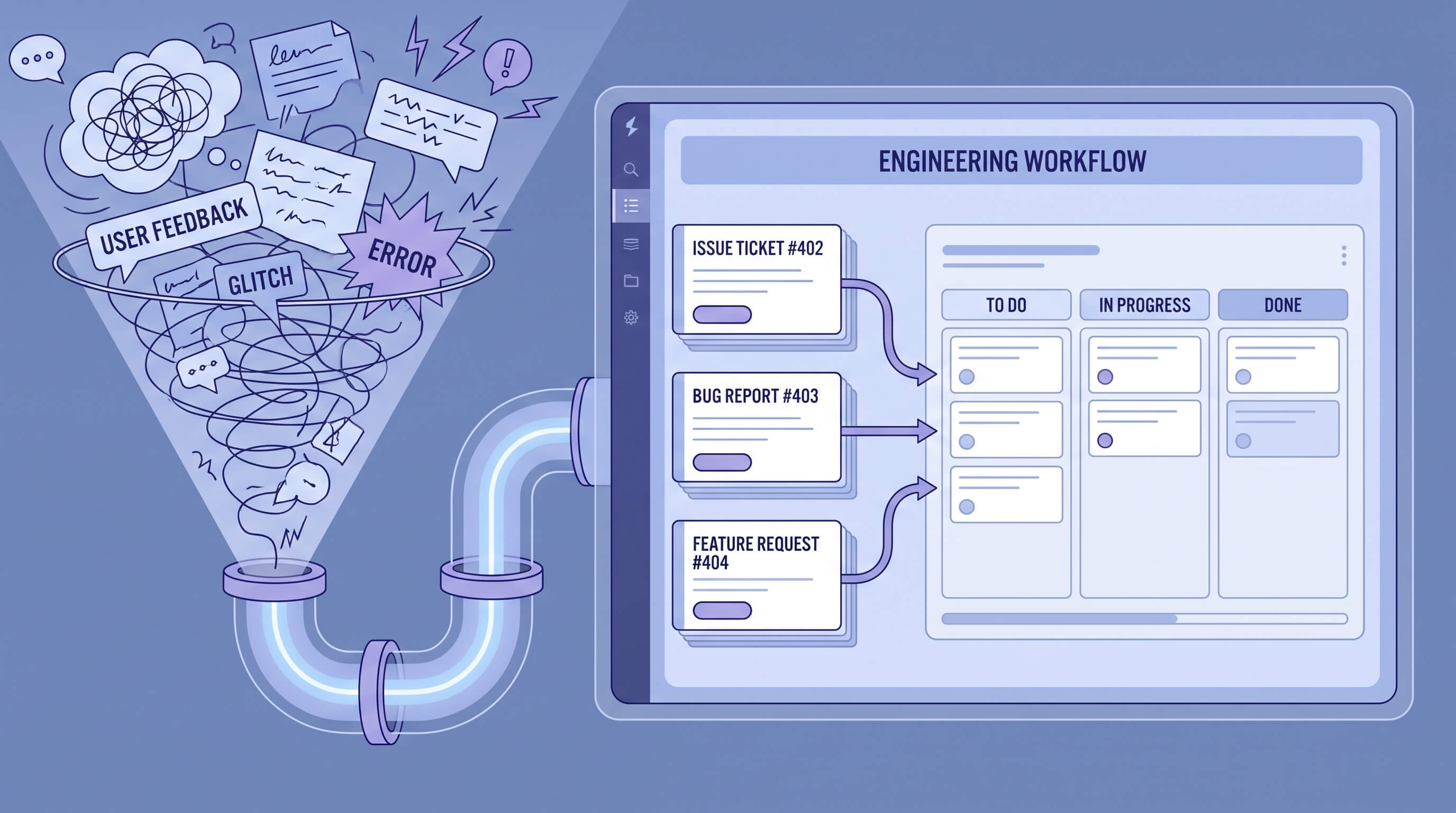
بعضی از پرهزینهترین باگها لزوماً سختترین باگها برای رفع نیستند. مشکل اینجاست که آنها تکهتکه به دست تیم میرسند: یک پیام ناراضی از کاربر، یک یادداشت مبهم از QA، اسکرینشاتی بدون زمینه، و بخشی از لاگ که در اسلک گم شده است. قبل از حل مشکل، کسی باید این آشفتگی را به تیکتی تبدیل کند که تیم مهندسی واقعاً بتواند با آن کار کند.
این پرامپت GPT-5 دقیقاً برای همین کار طراحی شده است. کافی است تیکت پشتیبانی، گزارش داخلی، خطاها یا یادداشتهای اولیه بازتولید را به آن بدهید تا خروجی را به یک بسته تریاژ منظم تبدیل کند. به جای پرش مستقیم از شکایت به حدس، خلاصه، واقعیتهای تأییدشده، اطلاعات ناقص، علتهای محتمل، مراحل بازتولید و یک تیکت ساختاریافته برای Linear، Jira یا GitHub Issues دریافت میکنید.
- تریاژ سریعتر: گزارشهای پراکنده را در چند دقیقه به یک خروجی قابل اقدام تبدیل کنید.
- تحویل بهتر بین تیمها: قالب مشترکی برای پشتیبانی، QA، محصول و مهندسی بسازید.
- کاهش قطعیت کاذب: واقعیتهای تأییدشده را از فرضیات جدا نگه دارید.
- برنامهریزی تست از ابتدا: معیارهای پذیرش و چکلیست تست را از همان ابتدا اضافه کنید.
ارزش اصلی این پرامپت فقط در تمیزتر نوشتن نیست. ارزش واقعی در تصمیمگیری بهتر است. وقتی تیمها بدانند چه چیزی مشخص است، چه چیزی هنوز نامعلوم است و به احتمال زیاد کدام بخش خراب شده، میتوانند سریعتر به مسئله درست برسند و زمان کمتری برای رمزگشایی گزارشهای مبهم صرف کنند.