۲۰ تیتر، ۲۰ محرک روانشناختی، یک پرامپت
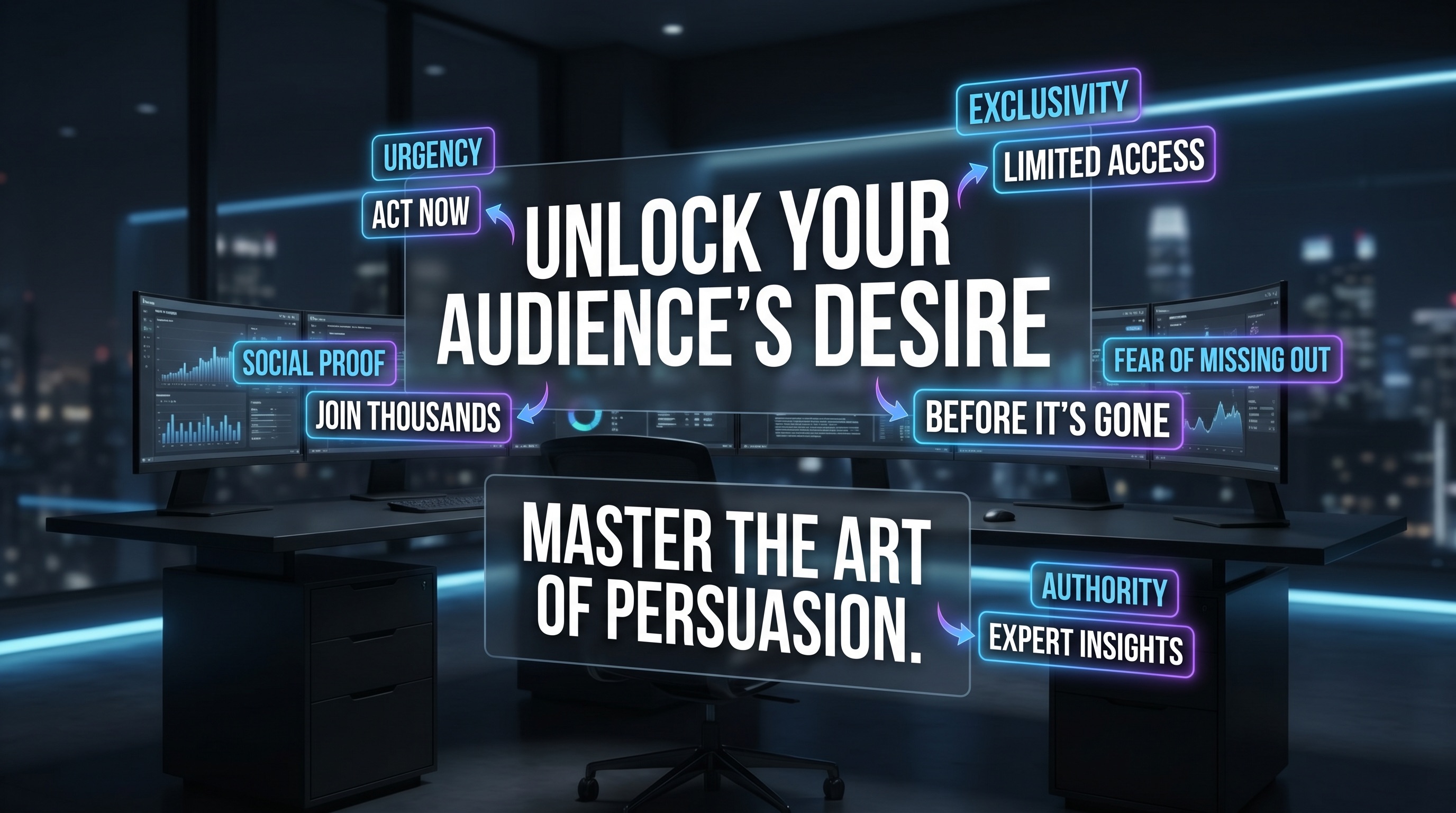
چرا این پرامپت اهمیت دارد
Most content fails in its first line. Posts with weak hooks see 3–8x lower engagement than posts with strong ones, and the average writer defaults to the same 3–4 trigger patterns — curiosity gap, social proof, how-to — by habit. Without systematically covering all psychological triggers, you leave the majority of your potential audience unreached. Teams that A/B test across trigger types consistently see 40–60% higher click-through rates versus single-hook campaigns, and the pattern of which triggers work with a specific audience becomes a compounding asset over time.
ما از آن برای چه استفاده میکنیم
You're launching a new content series, ad campaign, or product announcement and need opening lines that stop the scroll. Instead of spending an hour brainstorming and ending up with five variations of the same hook, you paste your topic, audience, and goal into this prompt and get 20 tested psychological angles — each labeled, explained, and sorted by platform — in under 60 seconds.
پرامپت
Act as a world-class copywriter and conversion specialist with 15 years of experience crafting high-performing content for [YOUR INDUSTRY — e.g., SaaS, e-commerce, coaching, B2B tech].Context: I'm promoting [TOPIC/PRODUCT/IDEA — e.g., "a productivity course for remote teams", "a new AI writing tool", "a local coffee roastery"]. My target audience is [DESCRIBE YOUR AUDIENCE — e.g., "marketing managers at mid-size B2B companies", "first-time homebuyers aged 28-40", "indie developers who ship solo"]. My primary goal with this content is to [YOUR GOAL — e.g., "drive email signups", "get LinkedIn shares", "convert cold traffic to buyers"].Task: Generate exactly 20 distinct headline hooks for this topic. Each hook must use a different psychological trigger from the list below. Every hook must be adapted to the specific language, pain points, and desires of my target audience.Psychological triggers to cover across the 20 hooks (assign one per hook, no repeats):Curiosity gap, Social proof, Loss aversion, Urgency/scarcity, Authority, Specificity, Novelty, Contrarian/pattern-interrupt, Aspiration, Fear, Humor, Self-interest, Exclusivity, Nostalgia, Challenge/dare, Validation, Simplicity, Story/narrative hook, Counter-intuitive data, Personal transformation.Constraints:- No clickbait or misleading claims — every hook must be deliverable- Maximum 12 words per hook- No generic phrases like "This will change your life" or "You won't believe..."- Each hook must stand alone without needing additional context- At least 6 hooks must be suitable for LinkedIn; at least 4 for email subject linesOutput Format — for each hook:[NUMBER]. [HOOK TEXT]- Psychological trigger: [name]- Why it works: [one sentence on the mechanism]- Best platform: [Twitter/X | LinkedIn | Email | YouTube | Ad headline | Multiple]- Adapt for your brand voice: [one tip for adjusting tone]
نتیجه
Example run for: A time-tracking app for freelancers, targeting "freelance designers and developers who systematically undercharge for their work."
1. "The hour you forgot to bill last week cost you $340 this year."
- Psychological trigger: Specificity
- Why it works: A precise, plausible number makes the abstract loss feel concrete and personal.
- Best platform: Email, LinkedIn
- Adapt: Adjust the dollar figure to match your audience's average rate.
2. "Freelancers who track hours earn 23% more — same workload, different discipline."
- Psychological trigger: Social proof + counter-intuitive data
- Why it works: Attributes the income gap to behavior, not luck or talent — makes it feel achievable.
- Best platform: LinkedIn, Ad headline
- Adapt: Cite the actual stat source for a more authoritative tone.
3. "Every client who says 'just a quick question' is not paying you for that hour."
- Psychological trigger: Validation
- Why it works: Names a pain point freelancers already feel but haven't articulated — creates instant recognition.
- Best platform: Twitter/X, LinkedIn
- Adapt: Add a rhetorical question to deepen engagement on LinkedIn.
4. "I started tracking my actual hours. The first invoice I sent was 40% too low."
- Psychological trigger: Story/narrative hook
- Why it works: First-person confession creates credibility and a cliffhanger — readers want to know what changed.
- Best platform: LinkedIn, Email
- Adapt: Use as the opening sentence of a longer post rather than a standalone hook.
5. "Most freelancers retire early by accident — they just run out of clients to undercharge."
- Psychological trigger: Humor (dark)
- Why it works: Absurdist spin on a real fear makes it shareable and memorable without being preachy.
- Best platform: Twitter/X, LinkedIn
- Adapt: Tone this down for enterprise audiences — remove the word 'retire.'
[15 more hooks continue in the same format, covering: Curiosity gap, Loss aversion, Urgency/scarcity, Authority, Novelty, Contrarian/pattern-interrupt, Aspiration, Fear, Self-interest, Exclusivity, Nostalgia, Challenge/dare, Simplicity, and Personal transformation.]
بیشتر محتواها در اولین جمله میمیرند. نه به این دلیل که ایده بد است — بلکه به این دلیل که خط شروع دلیلی برای ادامه خواندن نمیدهد. قلاب تزئین نیست؛ بلکه شرط اصلی بر این است که چند ثانیه بعدی توجه مخاطب ارزش سرمایهگذاری را دارد.
این Prompt برای هر موضوعی ۲۰ قلاب در اختیار شما قرار میدهد که هر کدام به یک محرک روانشناختی متفاوت متصل شدهاند. خروجی همه چیز را پوشش میدهد؛ از شکاف کنجکاوی و زیانگریزی گرفته تا دادههای مخالفجمع و تحول شخصی — یک مرور سیستماتیک بر کل طیف انگیزههای انسانی، نه صرفاً هر چیزی که اول به ذهن میرسد.
این Prompt چه چیزی تولید میکند
برای هر یک از ۲۰ قلاب، این Prompt موارد زیر را تولید میکند:
- خود قلاب — حداکثر ۱۲ کلمه، هماهنگ با زبان و نقاط درد مخاطب شما
- محرک روانشناختی — نام آن به صراحت ذکر میشود تا بتوانید زاویههای استفاده شده در کمپینهای مختلف را ردیابی کنید
- دلیل کارایی — مکانیزم اثر، نه فقط برچسب
- بهترین پلتفرم — برخی قلابها در لینکدین جواب میدهند، برخی دیگر برای خط موضوع ایمیل یا تامبنیل یوتیوب ساخته شدهاند
- نکته لحن برند — یک تنظیم برای تغییر بین لحن رسمی، غیررسمی یا تهاجمی
چرا این Prompt تمام ۲۰ محرک را به صراحت فهرست میکند
بدون محدودیت، مدلهای زبانی به ۳–۴ محرک روانشناختی که بیشتر در دادههای آموزشی با آنها مواجه میشوند بسنده میکنند: شکاف کنجکاوی، اثبات اجتماعی، فوریت، و آموزش. اگر به یک مدل موضوع «ردیابی زمان فریلنسری» را بدهید بدون لیست محرکها، ۲۰ تغییر از همان سه قلاب را تولید میکند. فهرست کردن تمام ۲۰ محرک به صراحت، مدل را مجبور میکند طیف کامل را پوشش دهد — اعتبار، نوستالژی، طنز، دادههای خلاف شهود، چالش و بقیه — و خروجی واقعاً متنوعی به جای تکرار پارافریز شده تولید کند.
همین اصل در مورد برچسبگذاری پلتفرم نیز صدق میکند. اثربخشی قلاب به رسانه وابسته است. یک قلاب شکاف کنجکاوی که به عنوان خط موضوع ایمیل کار میکند، به عنوان شروع پست لینکدین که زمینه طولانیتری انتظار میرود کار نمیکند. طبقهبندی بر اساس پلتفرم در زمان تولید، مدل را مجبور میکند قلابهایی متناسب با بافت خود بنویسد، نه خطوط عمومی که در همه جا عملکرد ضعیفی دارند.
چگونه از خروجی بدون هدر دادن آن استفاده کنیم
همه ۲۰ تا را منتشر نکنید. از آنها به عنوان یک بکلاگ آزمایشی استفاده کنید. بهترین ۵–۶ مورد را به عنوان تست A/B در اولین کمپین خود اجرا کنید، ردیابی کنید کدام محرکها با مخاطب خاص شما جذب میشوند، و از دادههای واقعی یک الگو بسازید. محرکهایی که به طور مداوم برنده میشوند به پیشفرض شما تبدیل میشوند؛ آنهایی که به طور مزمن عملکرد ضعیفی دارند برای آن مخاطب اولویت خود را از دست میدهند.
برای تقویم محتوایی، هر هفته یک نوع محرک تعیین کنید و به عمد جابجا شوید. این کار از خستگی مخاطب که از فیدی ناشی میشود که هفته به هفته یکسان به نظر میرسد و یکسان صدا میدهد جلوگیری میکند — بزرگترین دلیل کاهش دسترسی محتوا در طول زمان حتی زمانی که دفعات پست ثابت میماند.
سازگاری مدل
Claude Sonnet 4.6 و GPT-4o هر دو با این Prompt عملکرد خوبی دارند. Claude توضیحات دقیقتری برای «چرا کار میکند» و تمایز بهتری بر اساس پلتفرم ارائه میدهد. GPT-4o قلابهایی با ضربه عاطفی کمی تهاجمیتر تولید میکند که برای کپی تبلیغات پاسخ مستقیم بهتر کار میکند. برای محتوای متمرکز بر لینکدین، خروجیهای Claude کمتر شبیه تبلیغ و بیشتر شبیه پستهای ارگانیک به نظر میرسند — که برای دسترسی در آن پلتفرم اهمیت دارد. در هر صورت، فرمت خروجی ساختاریافته نتایج را در بین مدلها ثابت نگه میدارد.