A Better GPT-5 Prompt for Pull Request Reviews
Why this prompt matters
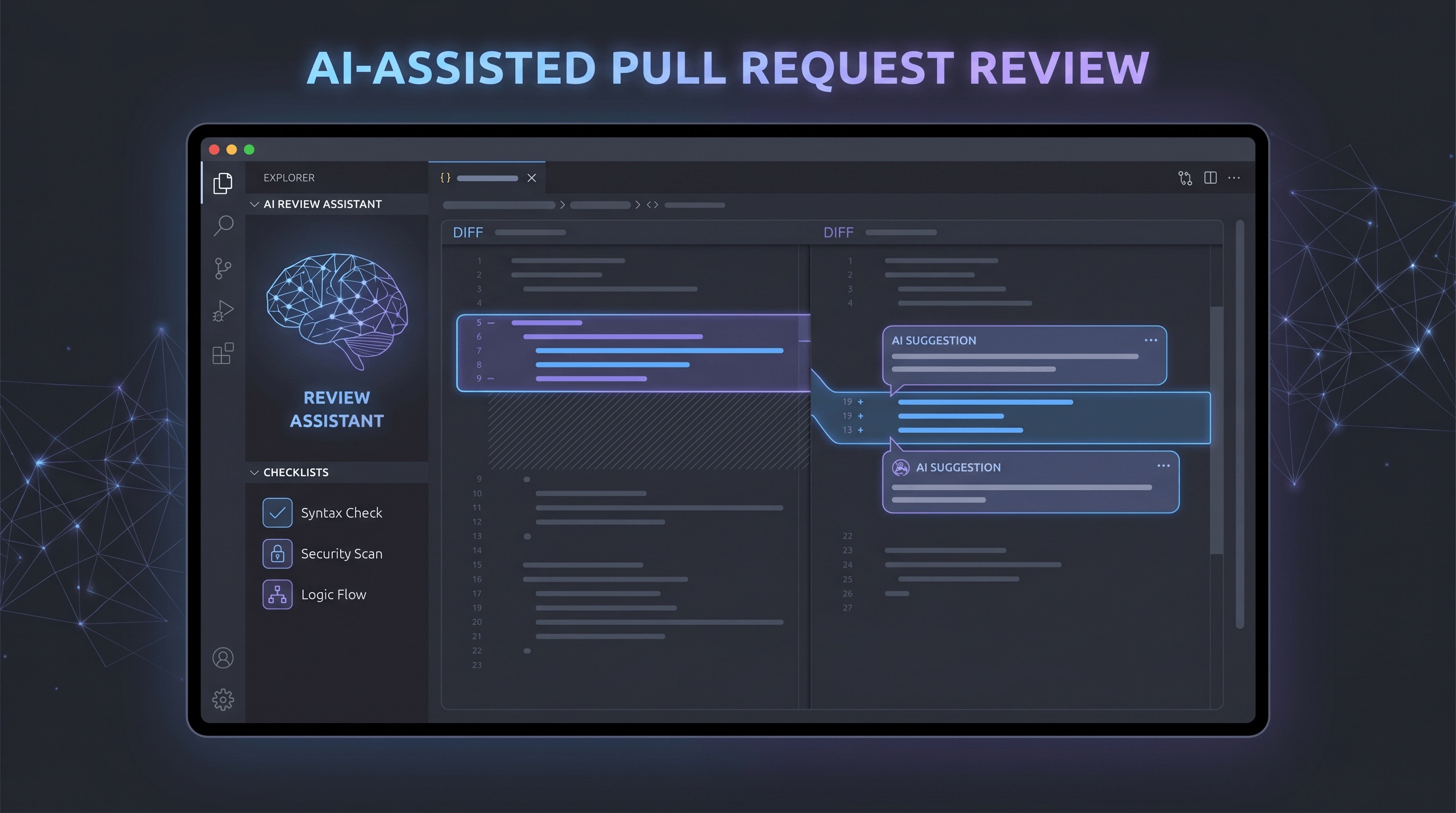
A good PR review prompt helps developers move faster without lowering quality. It turns large diffs into clear review notes, catches risky changes earlier, and gives teams a more consistent review process.
What we use it for
Reviewing pull requests faster, spotting hidden risks, summarizing changes, and building a stronger test plan before merge.
Prompt
Act as a senior engineer reviewing this pull request.

I will paste:
1. PR title and description
2. changed files
3. the git diff or key code snippets
4. any relevant product or architecture context

Your task:
- Summarize what changed in 4 to 6 bullet points
- Identify correctness, reliability, performance, security, and maintainability risks
- Flag anything that needs tests, migrations, rollout notes, or monitoring
- List missing context or assumptions
- Suggest the 5 most useful review comments I could leave on the PR
- Propose a focused test plan with unit, integration, and edge-case coverage
- End with a verdict: low risk, medium risk, or high risk, with one sentence of justification

Rules:
- Be specific and evidence-based
- Quote or reference exact file names, functions, or diff sections when possible
- Do not invent issues if the diff does not support them
- Prefer concise, high-signal feedback over generic advice

Return your answer in this structure:
1. Summary
2. Risks
3. Missing context
4. Suggested review comments
5. Test plan
6. Final verdict
Result
Summary: Adds retry handling to the payments client. Risks: backoff is unbounded and timeout handling is incomplete. Suggested review comment: add a maximum retry cap and verify idempotency. Test plan: timeout, retry exhaustion, duplicate charge prevention. Final verdict: medium risk.
Generated Image
Pull request reviews often fail for the same reason: there is too much context and not enough time. A strong AI prompt can help you turn a large diff into a fast, structured review without defaulting to generic feedback.
This prompt is built for GPT-5 and works best when you paste the PR title, description, changed files, the diff or key snippets, and any architecture or product context that matters.
- Summarize the change: get a high-signal overview before reading every line.
- Spot real risks: surface likely issues in correctness, performance, security, and maintainability.
- Improve review quality: generate useful review comments instead of vague suggestions.
- Plan smarter tests: identify unit, integration, and edge-case coverage before merge.
Example output can look like this: a short summary of the PR, two or three concrete risks, a few suggested review comments, a focused test plan, and a final risk verdict. That makes the prompt useful both for individual developers and for teams that want a more consistent review workflow.