A Better GPT-5 Prompt for Bug Triage and Engineering Tickets
Why this prompt matters
Bug reports often arrive as incomplete fragments, which slows triage and wastes engineering time. A strong prompt can turn scattered evidence into a structured ticket, help teams ask better follow-up questions, and get serious issues to the right owner faster.
What we use it for
Turning messy support reports, QA notes, and Slack complaints into clear engineering tickets with reproduction steps, likely causes, and a usable test checklist.
Prompt
Act as a senior product engineer helping me turn a messy bug report into an actionable engineering ticket.

I will paste one or more of the following:
- a user complaint, support ticket, Slack message, or QA note
- screenshots or copied error text
- logs, stack traces, or reproduction notes
- product context, expected behavior, and environment details

Your job is to convert that information into a clear engineering-ready output.

Tasks:
1. Write a one-paragraph summary of the likely problem in plain English.
2. Extract the most important facts, symptoms, and constraints.
3. List missing information that should be collected before implementation starts.
4. Propose the most likely root causes, ordered by probability.
5. Create exact reproduction steps. If the evidence is incomplete, write the best provisional steps and label assumptions.
6. Turn the issue into a structured engineering ticket with these sections:
   - Title
   - Problem
   - Expected behavior
   - Actual behavior
   - Reproduction steps
   - Suspected scope or affected components
   - Severity and user impact
   - Suggested owner or team
   - Acceptance criteria
   - Test checklist
7. End with a short triage recommendation: urgent, high, medium, or low, and explain why.

Rules:
- Do not invent facts.
- Separate confirmed information from assumptions.
- Prefer concise, high-signal wording over generic filler.
- If logs or evidence point to multiple causes, say so clearly.
- Write the final ticket so it can be pasted directly into Linear, Jira, or GitHub Issues.

Return your answer in this structure:
1. Summary
2. Confirmed facts
3. Missing information
4. Likely root causes
5. Reproduction steps
6. Engineering ticket
7. Triage recommendation
Result
Summary: Users are being logged out after uploading large files on mobile Safari. Confirmed facts: the issue appears on iOS 17, affects files above 100MB, and correlates with a 413 response from the upload service. Missing information: exact device models, account tier, and whether the issue reproduces on Wi-Fi and cellular. Likely root cause: session reset after failed chunk negotiation. Triage recommendation: high, because the bug blocks a core workflow for affected users.
Generated Image
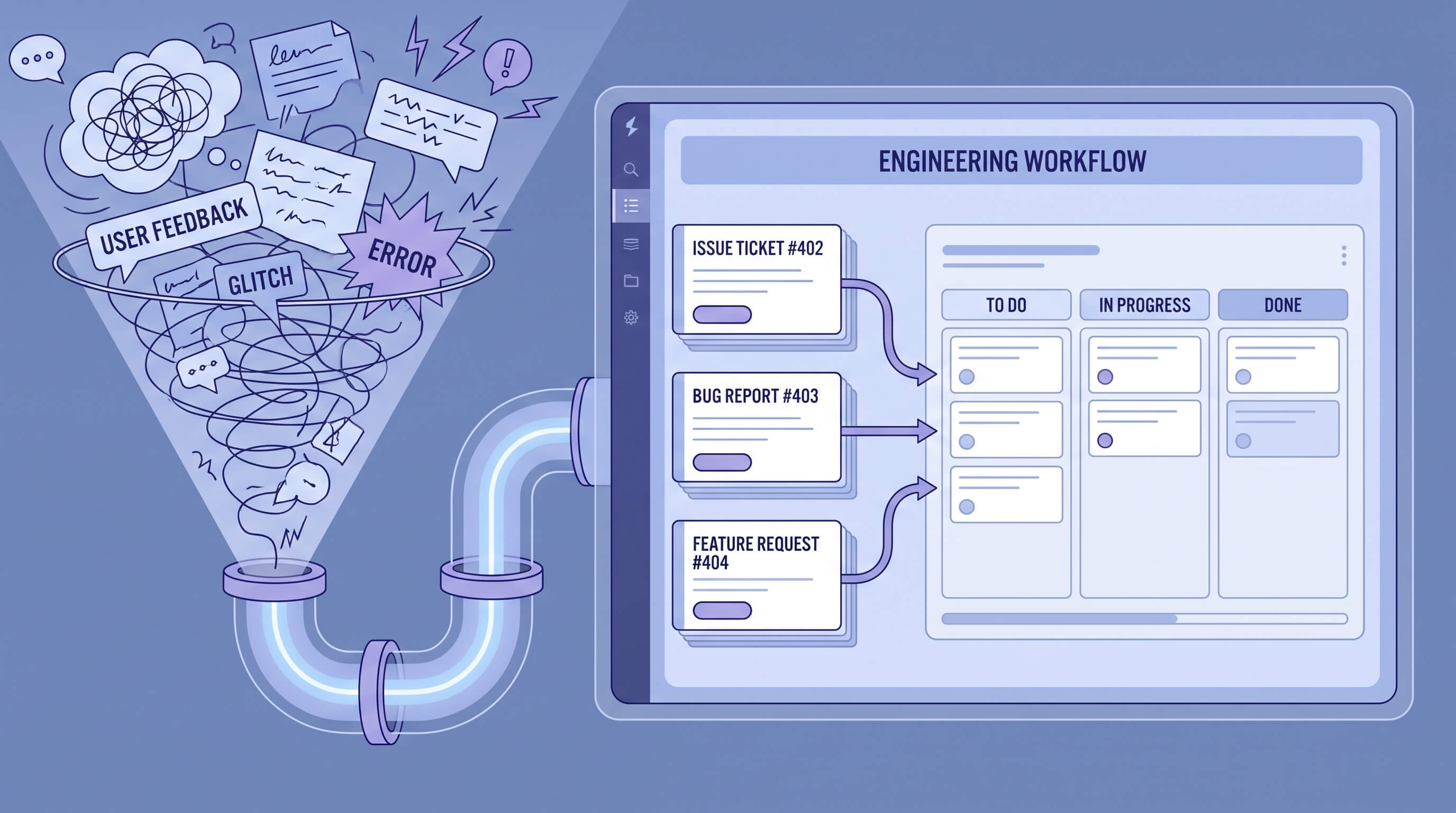
Some of the most expensive bugs are not the hardest ones to fix. They are the ones that arrive in pieces: a frustrated customer message, a vague QA note, a screenshot without context, and a log snippet buried in Slack. Before anyone can solve the issue, someone has to turn that mess into a ticket an engineering team can actually use.
This GPT-5 prompt is built for exactly that job. Feed it a support ticket, internal report, error output, or rough reproduction notes, and it will organize the signal into a cleaner triage package. Instead of jumping straight from complaint to guesswork, you get a summary, confirmed facts, missing details, likely causes, reproduction steps, and a structured ticket ready for tools like Linear, Jira, or GitHub Issues.
- Speed up triage: turn scattered reports into something actionable in minutes.
- Improve handoffs: give support, QA, product, and engineering a shared format.
- Reduce false certainty: keep confirmed facts separate from assumptions.
- Plan testing earlier: include acceptance criteria and a focused test checklist from the start.
The real value here is not just cleaner writing. It is better decision-making. When teams can see what is known, what is missing, and what is most likely broken, they can route urgent issues faster and spend less time decoding vague bug reports.