Waymo Recalls 3,871 Robotaxis After Software Failed to Recognize Highway Construction Zones
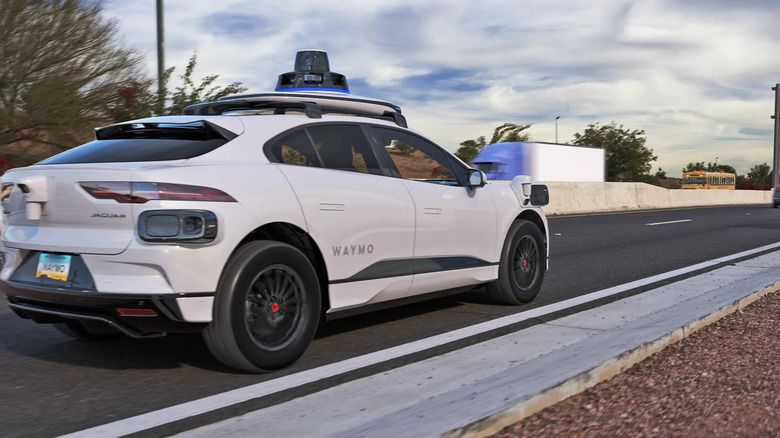
Waymo has filed a voluntary safety recall with the National Highway Traffic Safety Administration (NHTSA) covering 3,871 robotaxis after the vehicles' software failed to recognize highway construction zone closures and drove past ramp closure signs into active work zones. The recall, disclosed June 18, 2026, is the second Waymo has filed in just over a month — the previous one in May covered similar vehicles that drove into flooded roads.
The problem showed up across 13 separate incidents: six in Phoenix between April 22 and May 15, and seven in the San Francisco Bay Area between May 5 and May 19. In each case, the Waymo autonomous driving system (fifth-generation ADS) encountered a pre-planned freeway construction zone where ramp closure signs were posted, but the software did not recognize those signs as indicating a closed lane or restricted zone. The vehicles continued onto the freeway rather than rerouting.
What Triggered the Recall
Waymo's automated driving system relies on a combination of camera, LiDAR, and radar sensors to interpret road conditions in real time. Construction zones present a particularly difficult challenge: temporary signage, unusual lane configurations, and the absence of normal road markings can differ significantly from what a model trained on standard highway scenarios has seen. The NHTSA investigation found that when a ramp closure sign was the primary indicator that a freeway section was closed — without corresponding changes to lane markings or physical barriers that the system also understood — the ADS failed to update its routing plan.
No injuries were reported from any of the 13 incidents. Waymo states that its fleet has experienced 92% fewer serious injury crashes compared to human drivers in equivalent conditions, a figure it cites from its own safety data.
Waymo's Response
On May 19, Waymo proactively suspended all freeway operations across its fleet before the NHTSA recall was formally filed — meaning the recall documents an issue the company had already identified and was already mitigating. A software update addressing the construction zone detection failure will be delivered over-the-air at no charge.
"We identified an area of improvement regarding performance around freeway construction zones," Waymo said in a statement. "We voluntarily restricted freeway operations last month while making improvements, and we will deploy a software update that addresses this issue."
Freeway rides launched in Phoenix in 2024, extending Waymo's service from city streets to highways. The May suspension means those freeway routes remain offline while the fix is validated and deployed.
A Pattern of Voluntary Recalls
Waymo's two recalls in five weeks illustrate a dynamic that safety researchers have noted in the autonomous vehicle industry: because AV software can be updated over-the-air and companies have financial incentives to cooperate with regulators, voluntary recalls have become a standard tool for addressing edge-case failures. The previous recall in May covered 3,791 vehicles that had driven into flooded road conditions in Phoenix. That software fix has since been deployed.
The cumulative picture is of a technology that performs well in the scenarios its training covered but remains vulnerable to unusual combinations of road conditions and temporary infrastructure changes — exactly the kind of edge cases that accumulate as a fleet operates at scale across varied environments.
NHTSA said the recall information was first reported by Reuters.
Originally reported by Engadget. Read the original article for additional details.
View original source