Volkswagen's Mission Efficiency prototype sets an EV drag record using regular production parts
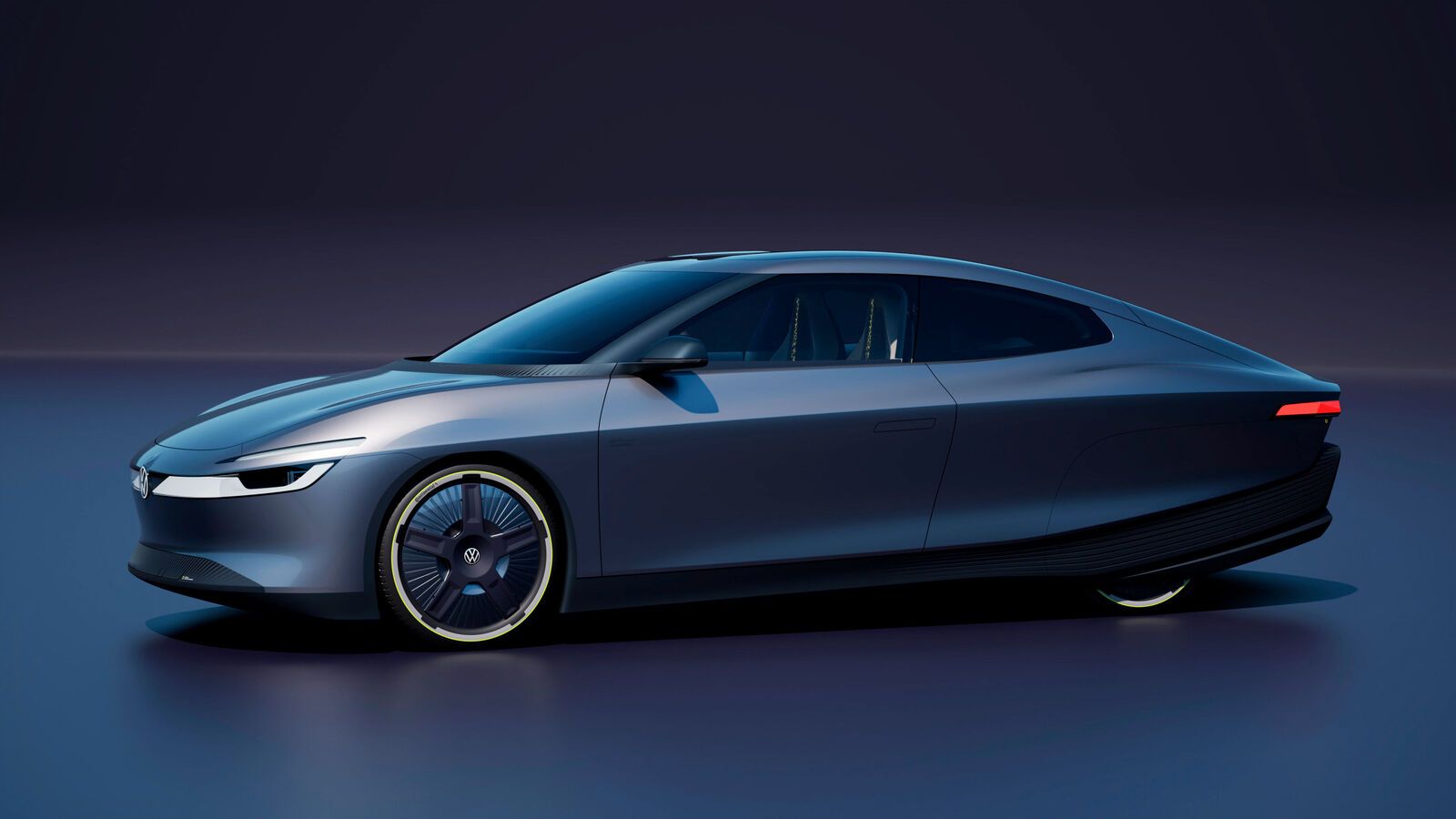
Volkswagen unveiled Mission Efficiency on September 14, a near-production electric prototype the company says is now the most aerodynamically efficient road-legal vehicle ever built, and the most energy-efficient near-production electric car on record. The car posted a drag coefficient of 0.158 Cd — a new benchmark for any road-approved vehicle — and consumed just 6.48 kWh per 100 km under controlled "ideal trip" conditions: a constant 68 km/h with no gradient and all non-essential accessories switched off.
What makes the result notable isn't exotic engineering. Mission Efficiency is built on Volkswagen's MEB+ platform and shares its electric motor and battery pack with the ID. Polo, one of the automaker's mainstream compact EVs, in a front-wheel-drive configuration. Volkswagen has been explicit that the records were set using components pulled from the regular production line rather than purpose-built racing hardware, framing the achievement as proof that efficiency gains this large are achievable through aerodynamic design and weight reduction alone, without a bespoke powertrain.
Three records, one underlying design philosophy
Volkswagen is counting three separate world records from the same prototype: the lowest drag coefficient ever measured on a road-approved car, the lowest energy consumption recorded in an ideal-trip test, and the title of most economical near-production electric vehicle built to date. The low-slung coupe body — closer to a swept, minimal silhouette than anything in VW's current EV lineup — is doing most of the work here rather than any single breakthrough component, which is precisely the point the company is making with the release.
"The Mission Efficiency embodies a central idea of modern electric mobility: maximizing range while minimizing energy consumption," Volkswagen said in its announcement. That framing positions the car as a design study rather than an imminent product, but the choice to build it on shared, already-in-production MEB+ components — rather than a one-off concept platform — signals an intent to eventually route these aerodynamic lessons into actual consumer vehicles rather than leaving them as a motor show curiosity.
Why this matters beyond the record itself
EV range anxiety remains one of the most persistent barriers to broader adoption, and most manufacturers have addressed it primarily by adding battery capacity — a heavier, more expensive, and more resource-intensive solution. Mission Efficiency's approach argues for the opposite lever: extracting more range from the same battery pack already shipping in a mainstream production car, purely through aerodynamic refinement. If Volkswagen can translate even a fraction of the Mission Efficiency's 0.158 Cd drag figure into its actual production lineup, the resulting range and efficiency gains would come without the cost or supply-chain pressure of larger battery packs — a meaningfully different path than the industry's current default strategy.
Originally reported by Volkswagen Newsroom. Read the original article for additional details.
View original source