Vercel discloses security incident tied to Context.ai OAuth compromise
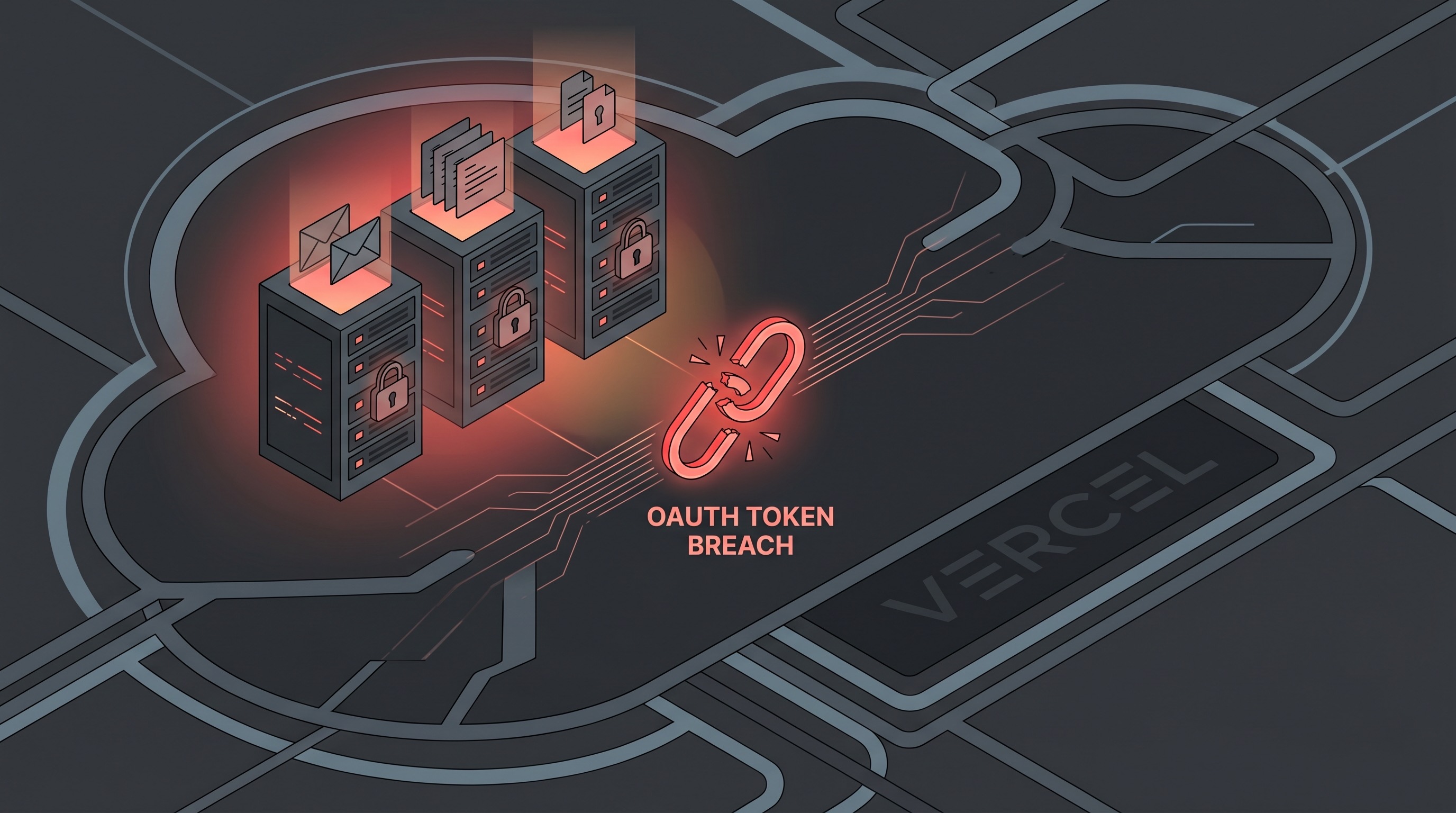
Vercel has disclosed a security incident after attackers used a compromise at Context.ai, a third-party AI tool, to access an employee's Google Workspace account and move into parts of Vercel's internal environment.
According to Vercel's security bulletin, the attacker reached some environments and environment variables that were not marked as sensitive. The company says it has not found evidence that values protected under its sensitive environment variable system were read.
What happened
Vercel says the intrusion began with a compromised OAuth app connected to Context.ai. From there, the attacker took over a Vercel employee account, which opened a path into internal systems. The company described the threat actor as highly sophisticated and said it is working with Mandiant, other security firms, and law enforcement.
Why this matters
This is a meaningful cloud security story because it shows how a smaller third-party AI tool can become the weak link for a much larger platform. For teams that rely on SaaS integrations, the lesson is not just about password hygiene, but about OAuth scope, vendor review, and whether secrets are stored in a way that limits blast radius when an account is compromised.
Vercel says only a limited subset of customers had credentials exposed and that those users were contacted directly with instructions to rotate them immediately. It also published an indicator of compromise for the affected Google Workspace OAuth app and urged customers to review activity logs, rotate unprotected environment variables, and audit recent deployments.
For developers and security teams, the bigger takeaway is clear: third-party AI productivity tools now sit inside real production workflows, which means their trust boundaries need to be treated as seriously as any other supplier in the stack.
Originally reported by Vercel. Read the original article for additional details.
View original source