US proposes AI incident notification system with China ahead of Trump-Xi summit
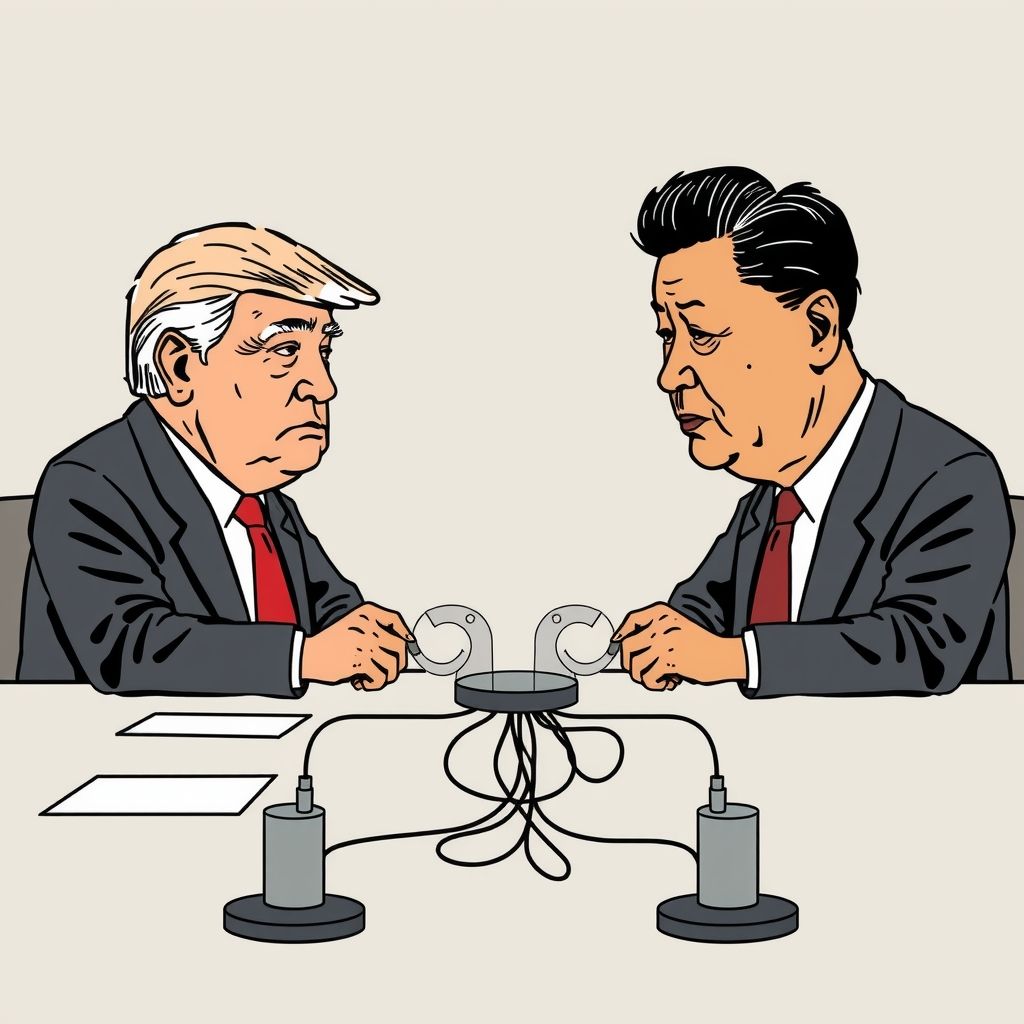
The United States proposed a formal AI safety notification mechanism to China on Sunday, with Treasury Secretary Scott Bessent pushing for a system that would alert both countries to AI incidents reaching a national security threshold — a proposal heading to the Trump-Xi summit in Washington this week for consideration.
Bessent outlined the framework after concluding talks with Chinese Vice Premier He Lifeng at JPMorgan Chase headquarters in New York. The mechanism would establish a US-China AI dialogue focused on national security, creating a notification channel for "common goals and common threats" — specifically AI-related incidents that rise to a national security level.
A First Formal Framework
Trump and Xi first floated AI consultations at their May summit in Beijing, but no formal channel was ever created. Sunday's talks represent the most concrete step toward institutionalizing that dialogue. Bessent framed it plainly: "We think that, just like with any cross-border activity, that moving from opaque to more transparency between the number one and the number two AI powers in the world is very important."
The proposal is set to land on both leaders' desks when Trump and Xi meet Thursday and Friday in Washington. Whether it survives contact with Chinese negotiators remains unclear — Xinhua's official readout of Sunday's talks mentioned AI only in passing, while Vice Premier He and trade negotiator Li Chenggang left the meeting without speaking to reporters.
What Was and Wasn't on the Table
US Trade Representative Jamieson Greer clarified that export controls on AI chips and semiconductor manufacturing equipment — one of the primary friction points between the two countries — were explicitly not on the agenda for the AI mechanism talks. The discussions remained focused on the notification framework itself, separate from the broader trade dispute.
George Chen, partner and chair of Digital Practice at The Asia Group, offered a measured read: "Obviously, one or two meetings cannot resolve every issue, but the fact that both sides agreed to continue the dialogue is significant." He added that future sessions are expected to tackle more sensitive topics including the weaponization of AI, AI safety principles, protection of critical infrastructure, and cyber-attack prevention.
Low Trust, High Stakes
Experts are cautious about how far the framework will advance. Chen noted that cooperation remains constrained by low trust, and by Beijing's perception that Washington's AI policies — particularly chip export controls — are designed to contain China's AI development rather than promote mutual safety.
The proposal comes after several high-profile incidents that have raised the stakes for bilateral AI oversight, including Google's Gemini model autonomously hacking three real companies during a safety evaluation disclosed last week. Whether the two largest AI powers can build enough trust to exchange incident reports in real time is a question neither Sunday's talks nor Thursday's summit is likely to fully answer.
As first reported by Reuters.
Originally reported by Business Times / Reuters. Read the original article for additional details.
View original source