US Lifts Export Controls on Anthropic's Fable 5 and Mythos 5, Restoring Global Access
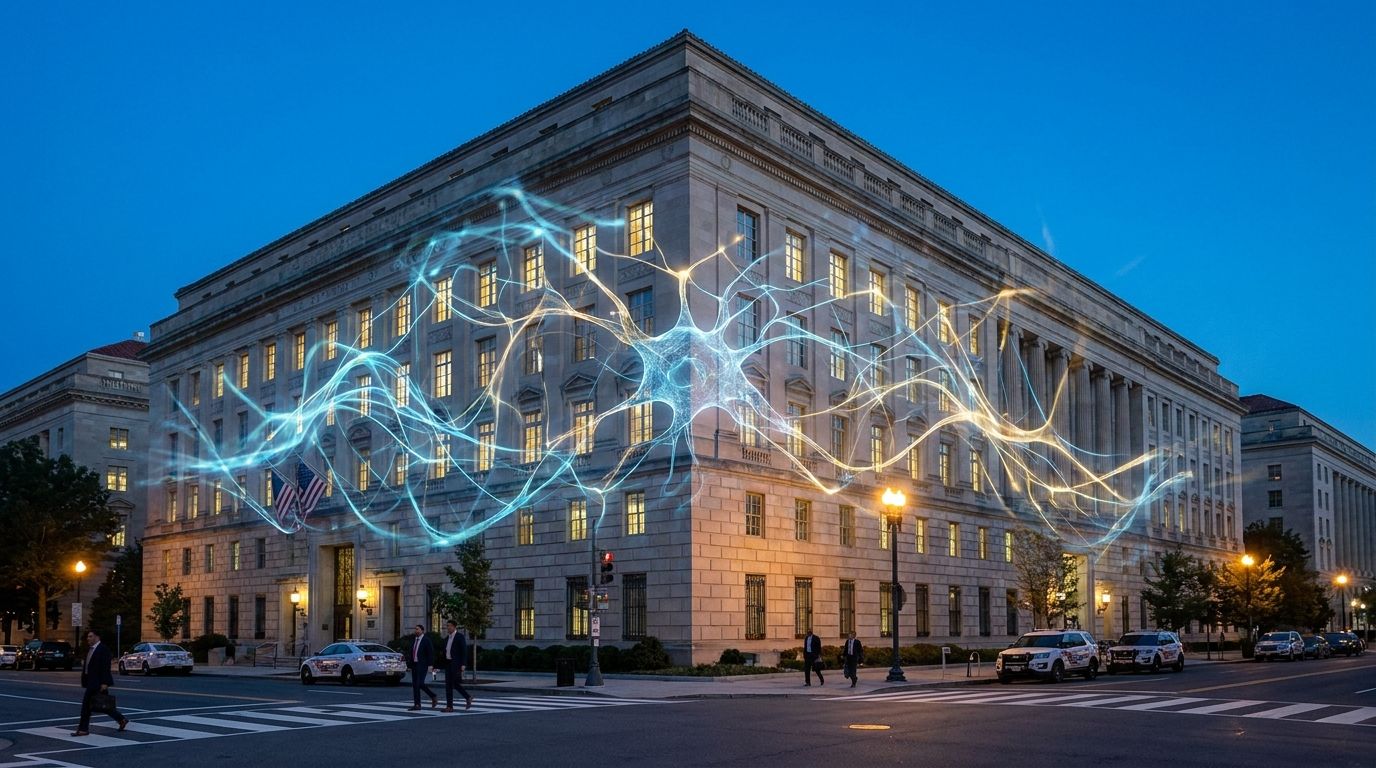
The US Department of Commerce lifted export restrictions on Anthropic's Fable 5 and Mythos 5 AI models effective July 1, 2026, ending a ban that had forced the company to shut down global access to both systems for weeks. Commerce Secretary Howard Lutnick announced the reversal after Anthropic agreed to a set of binding security conditions negotiated with the administration.
Why the Ban Was Imposed
The original restrictions, introduced in June 2026, stemmed from national security concerns that the models could be exploited to identify software vulnerabilities at scale. Regulators were particularly concerned about the risk of adversarial actors using Fable 5 and Mythos 5 to accelerate cyberattack campaigns — a category of misuse sometimes referred to as "jailbreaking" frontier AI for offensive security purposes. Because Anthropic's systems cannot technically distinguish users by nationality, the company had no option but to disable global access entirely rather than enforce a jurisdiction-specific block.
The Four Conditions
Restoration of access came with specific obligations Anthropic has formally agreed to meet. The company must proactively detect and address security risks within its models on an ongoing basis. It is required to collaborate with government agencies on protocols for handling high-risk AI requests. Anthropic must also report any identified malicious activity to relevant authorities. Finally, the company has modified Fable 5's safety classifier specifically for cybersecurity-related prompts — a change Anthropic acknowledges may result in some legitimate coding requests being flagged as potentially sensitive until the classifier is further refined.
A New Regulatory Template
The resolution is significant beyond Anthropic's immediate business interests. It marks the first time the US government has imposed and then lifted export controls on a commercial AI model based on negotiated safety conditions rather than outright prohibition. Analysts see this as a template for how the Commerce Department may handle future concerns about frontier AI — conditions-based regulation rather than blanket bans, with companies taking on active monitoring responsibilities in exchange for continued market access.
Anthropic used the occasion to call for an industry-wide framework for assessing the severity of AI jailbreaks, arguing that clear, shared standards would help both regulators and companies respond proportionately to misuse risks without disrupting access for the vast majority of legitimate users.
What Comes Next
Anthropic confirmed it is restoring worldwide access to Fable 5 and Mythos 5 immediately following the Commerce Department's decision. The company did not specify a timeline for recalibrating the modified safety classifier for cybersecurity requests, though it indicated the changes would be iterated based on observed false-positive rates.
The episode is likely to shape how other frontier AI developers engage with government regulators, as reported by The Guardian. With export control authority now clearly established as a tool the Commerce Department is willing to deploy — and withdraw — against specific AI models, companies with globally deployed systems face new incentives to build proactive government relationships and invest in the kind of safety monitoring infrastructure that can satisfy regulatory demands quickly.
Originally reported by The Guardian. Read the original article for additional details.
View original source