US Claims ASML's EUV Chipmaking Equipment Reached China — ASML Calls It False
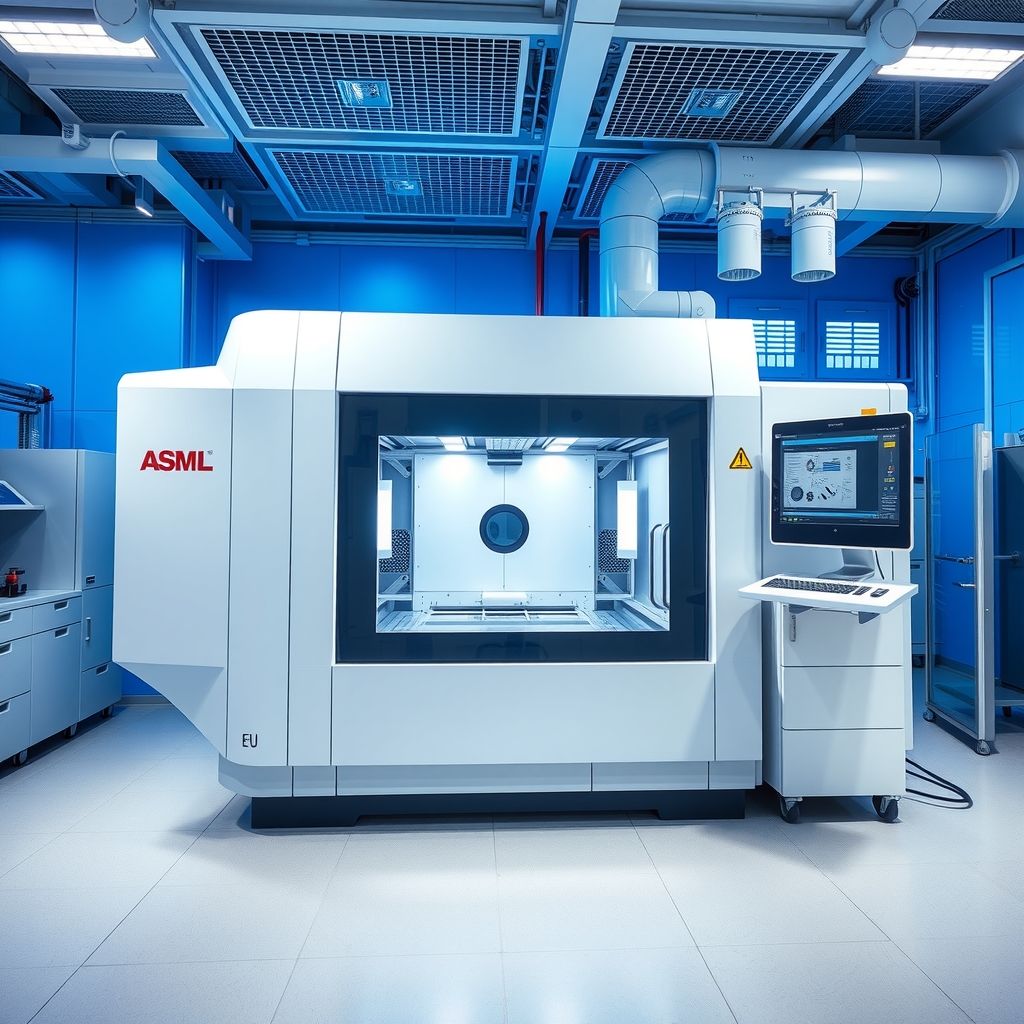
The US Commerce Department has privately told ASML — the Dutch company that holds a global monopoly on the advanced chipmaking equipment essential to every modern processor — that one of its extreme ultraviolet lithography (EUV) machines may have reached China in violation of export controls. ASML is pushing back hard, calling the allegations false.
According to Bloomberg, Commerce Secretary Howard Lutnick raised the claims in meetings with ASML executives in recent weeks. Senior administration officials say they have evidence the company shipped EUV-related components and transport equipment to China, though they have declined to share that evidence with Bloomberg or with ASML itself.
ASML CEO Christophe Fouquet was direct in his denial. "They're either in active use with monitored customers or have been dismantled and returned," he said. The company maintains strict internal firewalls: employees with EUV access are deliberately separated from those working on China operations, and China-based staff have no access to EUV documentation or systems.
EUV lithography machines are not just another piece of industrial equipment. They are arguably the single most strategically important technology in the global semiconductor supply chain. Each machine costs over $200 million, takes years to manufacture, and is the only way to print the circuit patterns found in chips like Apple's A18, Nvidia's Blackwell, and AMD's latest processors. There is no functional alternative — ASML has spent two decades and billions developing the technology with no competition in sight.
Because of this, EUV equipment has been under US export controls since the first Trump administration. The concern is straightforward: if China obtains EUV capability, it could produce cutting-edge chips independently, potentially erasing one of the West's key strategic advantages in AI and advanced computing.
The US claims remain unverified publicly. Administration officials have cited evidence of EUV-related components and transport equipment reaching China, but they have not produced a complete EUV scanner operating on Chinese soil. ASML also has powerful financial incentives to comply — roughly 20% of the company's 2026 revenue depends on maintaining its export licenses for older-generation DUV equipment that China is still permitted to buy. Violating EUV controls would put that entire revenue stream at risk.
Congress is also moving to restrict ASML's China sales further. A bill advancing through the legislature would ban all DUV shipments to China — affecting the 20% of revenue ASML currently earns from legal sales there. The company has been lobbying actively against it. ASML's status as Europe's most valuable publicly traded firm, at roughly $700 billion in market capitalization, gives it unusual diplomatic leverage.
For now, the dispute remains unresolved. US officials have evidence they will not show publicly. ASML says every machine is accounted for. As reported by Bloomberg and TechCrunch, until one side produces verifiable proof, this confrontation sits uncomfortably between a legitimate national security concern and a potential pressure campaign that could reshape global chip market dynamics.
Originally reported by TechCrunch / Bloomberg. Read the original article for additional details.
View original source