Uber lobbies against a D.C. driverless bill that would help its own robotaxi partner Waymo
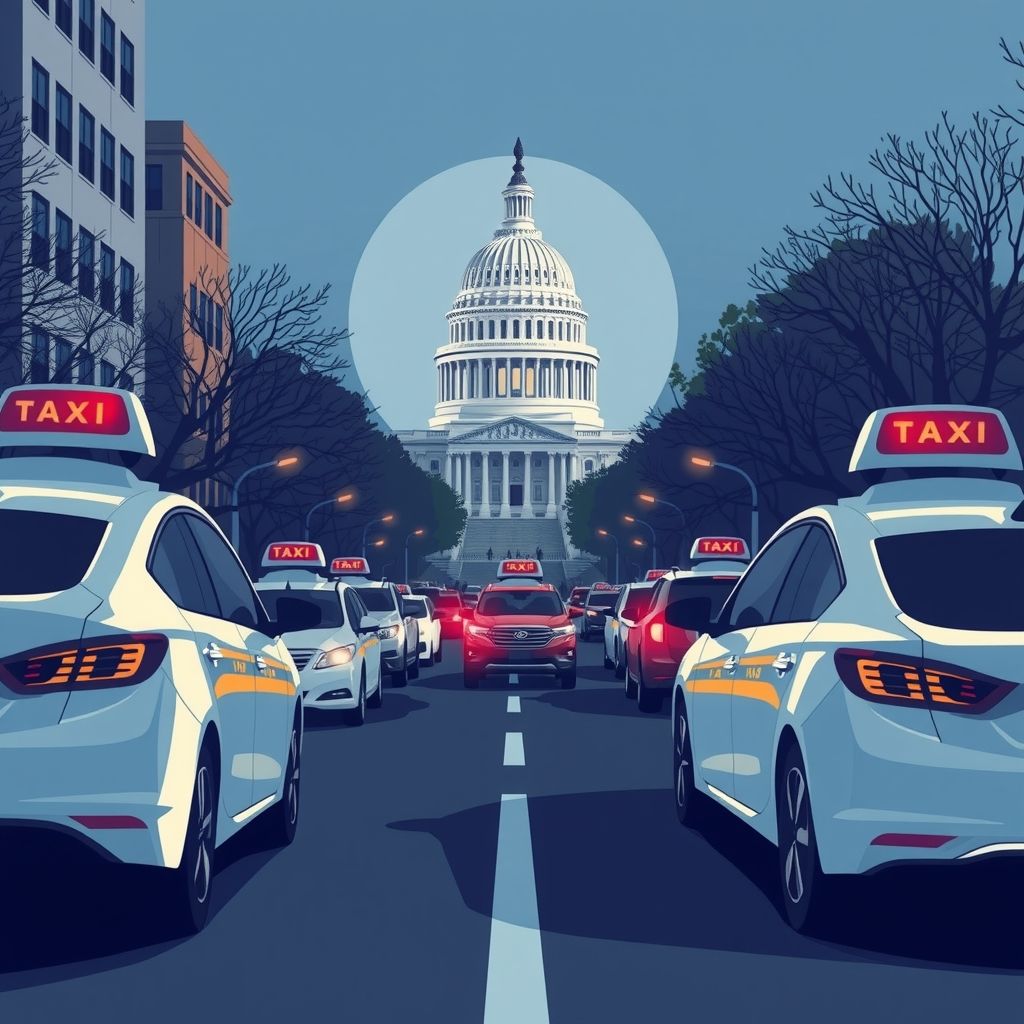
Uber is actively lobbying against a proposed Washington D.C. bill that would permit fully driverless testing and commercial robotaxi operations, according to a report from TechCrunch. The bill would require operators to carry $5 million in liability insurance and pay a $0.15-per-mile tax, with the revenue directed toward public transit and workforce development for displaced drivers. A council hearing on the legislation is scheduled for Monday, July 14.
A hybrid model that keeps human drivers on the platform
Rather than opposing autonomous vehicles outright, Uber is pushing D.C. lawmakers toward what the company calls a “hybrid model” — regulation that would require robotaxi operators to also keep human-driven rides available on the same platform. Uber's policy chief framed it as a consumer-choice issue: “Hybrid model means that consumers should have the ability to access both,” rather than a market where fully autonomous fleets can operate independently of human drivers.
The company points to internal data suggesting that a single autonomous vehicle displaces roughly four human drivers, a figure Uber is using to argue that unrestricted driverless expansion threatens driver livelihoods faster than transit and workforce funding could offset.
Why this puts Uber at odds with Waymo
The lobbying position is notable because Uber is simultaneously one of the autonomous vehicle industry's largest financial backers — the company has committed roughly $10 billion as an equity investor and prospective customer across some 30 AV partners, including Waymo itself in several U.S. markets. Waymo currently operates more than 500,000 paid rides per week across 11 cities.
The timing sharpens the tension: Uber and Waymo quietly ended their ride-hailing partnership in Phoenix in May 2026, with Waymo choosing to serve that market directly through its own app instead. The companies still partner in cities including Atlanta and Austin, but Uber has been steadily diversifying away from dependence on any single AV partner, including a push to deploy a 35,000-vehicle fleet using Nuro's driving system on Lucid vehicles, starting in the San Francisco Bay Area later this year.
The regulatory capture question
Critics of Uber's position describe the dual strategy — investing heavily in AV technology while lobbying for rules that constrain how competitors can deploy it — as a form of regulatory capture: using policy influence to protect Uber's existing driver-network business model even while the company builds toward an autonomous future on its own terms and timeline.
The D.C. bill's outcome will be closely watched beyond the district itself. As more U.S. cities weigh similar driverless legislation, the fight over whether robotaxi operators must also maintain human-driven options is likely to recur in statehouses and city councils nationwide, with Uber positioned as one of the loudest voices arguing for a mixed-fleet requirement rather than open driverless competition.
Originally reported by TechCrunch. Read the original article for additional details.
View original source