The Browser Company will shut down Arc on December 22 to focus entirely on Dia
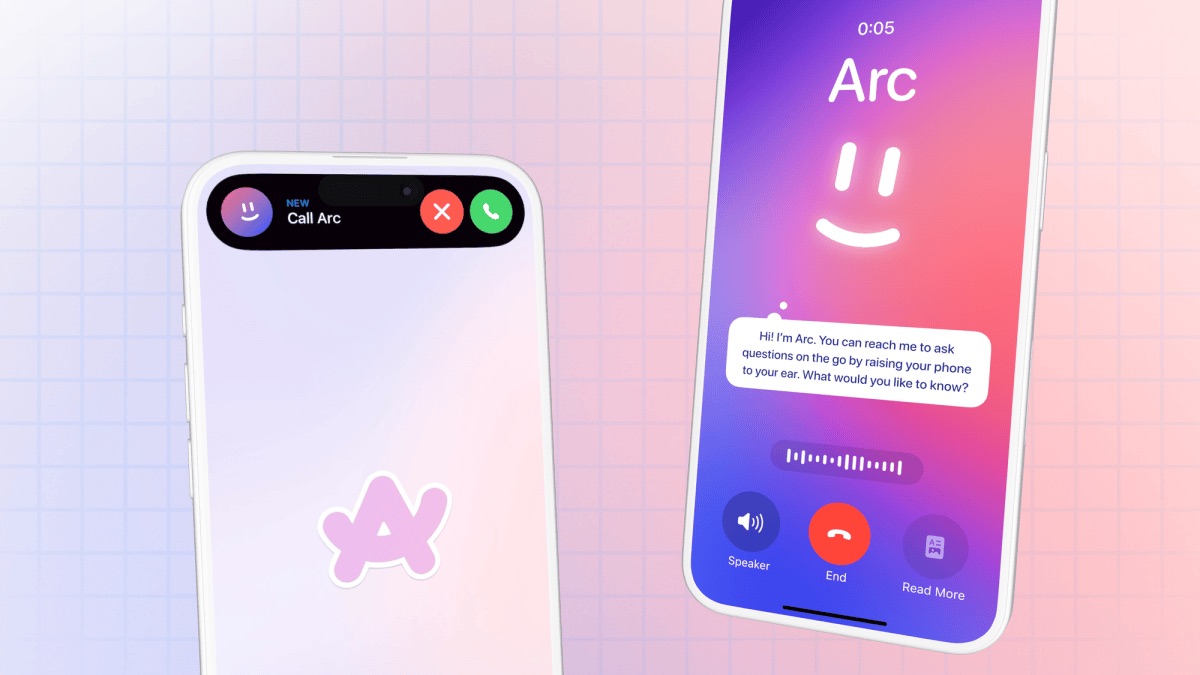
The Browser Company announced on October 22, 2026, that it will shut down Arc, the browser it spent years building a devoted following around, to put its full engineering and security resources behind Dia, its AI-first browser. New Arc accounts can no longer be created as of the announcement.
The shutdown follows a pattern the company set in 2025, when it stopped active feature development on Arc and began pivoting its attention to AI. Atlassian acquired The Browser Company for $610 million that same year. The company said directly that maintaining Arc’s security no longer made sense alongside building Dia: “Keeping a browser secure takes constant, dedicated work that is only increasing in the age of AI,” it said, adding that “Dia was built from the ground up to meet today’s security standards.”
The shutdown timeline
The wind-down happens in stages. Arc Search on iOS and Android loses its AI features, including the “Browse for Me” tool, on November 23; sign-in and tab sync stop at the same time, though the app keeps working as a basic local browser. On December 22, Arc stops functioning entirely on Mac and Windows, user accounts are deactivated, and personal data is deleted within 30 days. Arc Search will also be pulled from the Google Play Store.
Existing Arc users are directed to migrate to Dia, where passwords, bookmarks, extensions, and browsing history transfer over automatically. Several of Arc’s signature features carry over under new names: Spaces become “Profiles” for separating work and personal browsing, vertical tabs remain available as an optional sidebar layout, and Folders are renamed “Pinned Tab Groups.” The company says Arc’s core features stay free in Dia and that AI remains optional rather than mandatory.
Why not open-source it?
Arc’s shutdown has frustrated a vocal base of enthusiasts who asked the company to open-source the browser instead of killing it outright. CEO Josh Miller has previously explained that Arc runs on the Arc Development Kit (ADK), a proprietary SDK that also powers Dia — meaning open-sourcing Arc would effectively hand away Dia’s underlying technology. “ADK is still core to our company’s value,” he said.
A cautionary tale for browser innovation
Arc was, by most accounts, deeply loved by the people who used it — a browser built around a genuinely different interface philosophy, with vertical tabs, Spaces, and split views that broke from the Chrome-dominated status quo. But The Browser Company itself has acknowledged a “novelty tax”: the learning curve and unconventional design that endeared Arc to enthusiasts also kept it from becoming the mass-market Chrome alternative its creators envisioned. Dia represents a bet that an AI-native browsing experience, rather than an unconventional interface, is what will actually win over mainstream users — a bet the company is now making with its entire engineering organization rather than splitting focus across two products.
Originally reported by TechCrunch. Read the original article for additional details.
View original source