SpaceX Starship Flight 15 Deploys 26 Starlink Satellites But Booster Catch Fails
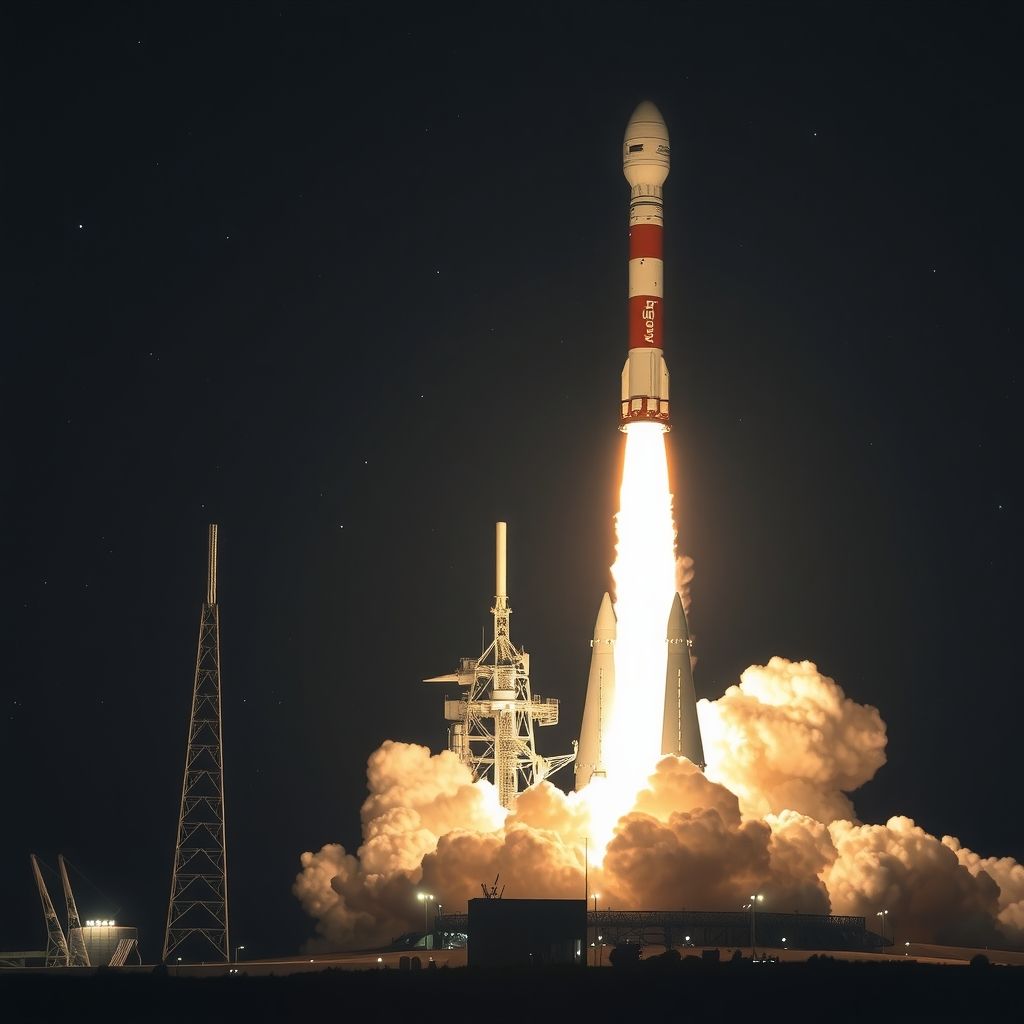
SpaceX launched its 15th Starship test flight on November 13, achieving orbital insertion and deploying 26 Starlink V3 satellites — but the Super Heavy booster aborted its planned catch attempt and splashed down in the Gulf of Mexico, leaving the full dual-stage recovery milestone still unreached.
Ship 42 lifted off from Starbase in South Texas atop Booster 22, both representing SpaceX's latest Block 3 hardware. A single Raptor engine fired approximately 26 minutes after liftoff, placing the ship into a roughly 275-kilometer low Earth orbit — only the second time Starship has achieved orbital altitude. SpaceX livestream commentators described the insertion as «nominal.»
At 1 hour and 17 minutes into the flight, Ship 42 released all 26 Starlink V3 satellites into orbit. Three of those satellites carry external cameras designed to inspect Starship's heat shield tiles from outside the vehicle, providing SpaceX with real-time reentry data unavailable from onboard instruments alone. SpaceX and Starlink streamed live 4K video from orbit — a first for any Starship mission.
The mission's new primary objective was a simultaneous dual-stage catch: both Booster 22 and Ship 42 returning to Starbase's «Mechazilla» catch tower. Super Heavy Booster 22 aborted its approach during the return burn and was diverted into a controlled ocean splashdown in the Gulf of Mexico. SpaceX has not disclosed the cause, saying only that an investigation is underway.
Ship 42 continued on its orbital path and was coasting as of early November 14. SpaceX scheduled a reentry and tower-catch attempt for the ship later on November 14, pending flight computer health checks. A successful catch would mark the first-ever recovery of a Starship upper stage and demonstrate full two-stage reusability — the cost threshold SpaceX needs for Starship to compete with Falcon 9 and fulfil its commitments to NASA's Artemis lunar program.
As reported by Space.com, the FAA issued the Flight 15 license on November 13, covering the return and landing of both stages. With Starship now delivering operational payloads on successive orbital flights, SpaceX's reusability roadmap remains on track even as the full dual-stage catch waits one more flight.
Originally reported by Space.com. Read the original article for additional details.
View original source