SpaceX stacks Starship for its first real attempt at reaching orbit
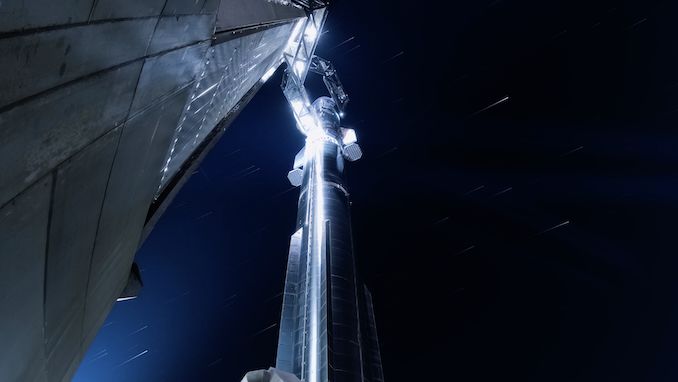
SpaceX assembled its full Starship-Super Heavy rocket at Starbase, Texas, early Wednesday, stacking the 52-meter Ship 41 upper stage atop Booster 21 ahead of Flight 14 — a mission SpaceX and independent trackers describe as the vehicle's first genuine attempt at reaching orbit. The FAA has issued a temporary flight restriction over Starbase running from September 23 through October 7, and SpaceX is targeting a launch window as early as 7:15 a.m. CDT on September 28, pending final regulatory sign-off.
Why "first orbital attempt" matters after a decade of testing
Starship has flown more than a dozen times since its first integrated test flight, with previous missions covering everything from controlled ocean splashdowns to booster catches at the launch tower. But none of those flights targeted a genuine orbital insertion — they were suborbital hops designed to test specific systems: heat shield performance, engine relight, booster recovery. Flight 14 is different: assuming it proceeds as planned, this is the first time the fully stacked vehicle will attempt to actually reach orbit, nearly ten years after Starship development began.
What's riding on this flight
Ship 41 is loaded with 26 next-generation Version 3 Starlink satellites, which SpaceX plans to deploy during the roughly 10-hour mission if the ascent goes to plan. A successful deployment would mark the first time Starship has delivered an operational payload to orbit, not just tested its own flight systems — a milestone that matters commercially as much as technically, since Starship's entire business case depends on carrying large satellite batches and, eventually, crew and cargo to the Moon and Mars under NASA's Artemis program and SpaceX's own long-term plans.
The stakes of getting this one right
Starship's combined booster-and-ship stack stands 124 meters tall, taller than the Statue of Liberty including its pedestal, and its Raptor engines generate more thrust than any rocket previously flown. That scale is precisely why orbital insertion has taken this long to attempt — anomalies on a vehicle this size, at this stage of testing, are expensive both in hardware and in regulatory scrutiny. A clean flight would validate the vehicle's readiness for NASA's Artemis III lunar lander contract, which depends on a version of Starship; a failure at the orbital-insertion stage would raise fresh questions about the timeline for those missions, which are already running behind their original schedule.
What to watch on launch day
Beyond the orbital insertion itself, the flight's key test points will be Starship's on-orbit coast phase, the Starlink deployment sequence, and re-entry performance during the ship's return — each of which has caused problems on prior flights even when the ascent itself succeeded. The FAA's flight restriction window running through October 7 suggests SpaceX has built in margin for a scrub and re-attempt if the September 28 window doesn't hold, which has been the norm rather than the exception for Starship's test campaign so far.
Originally reported by Spaceflight Now. Read the original article for additional details.
View original source