SpaceX Reportedly Pitched Investors an AI Handset, Musk Denies It
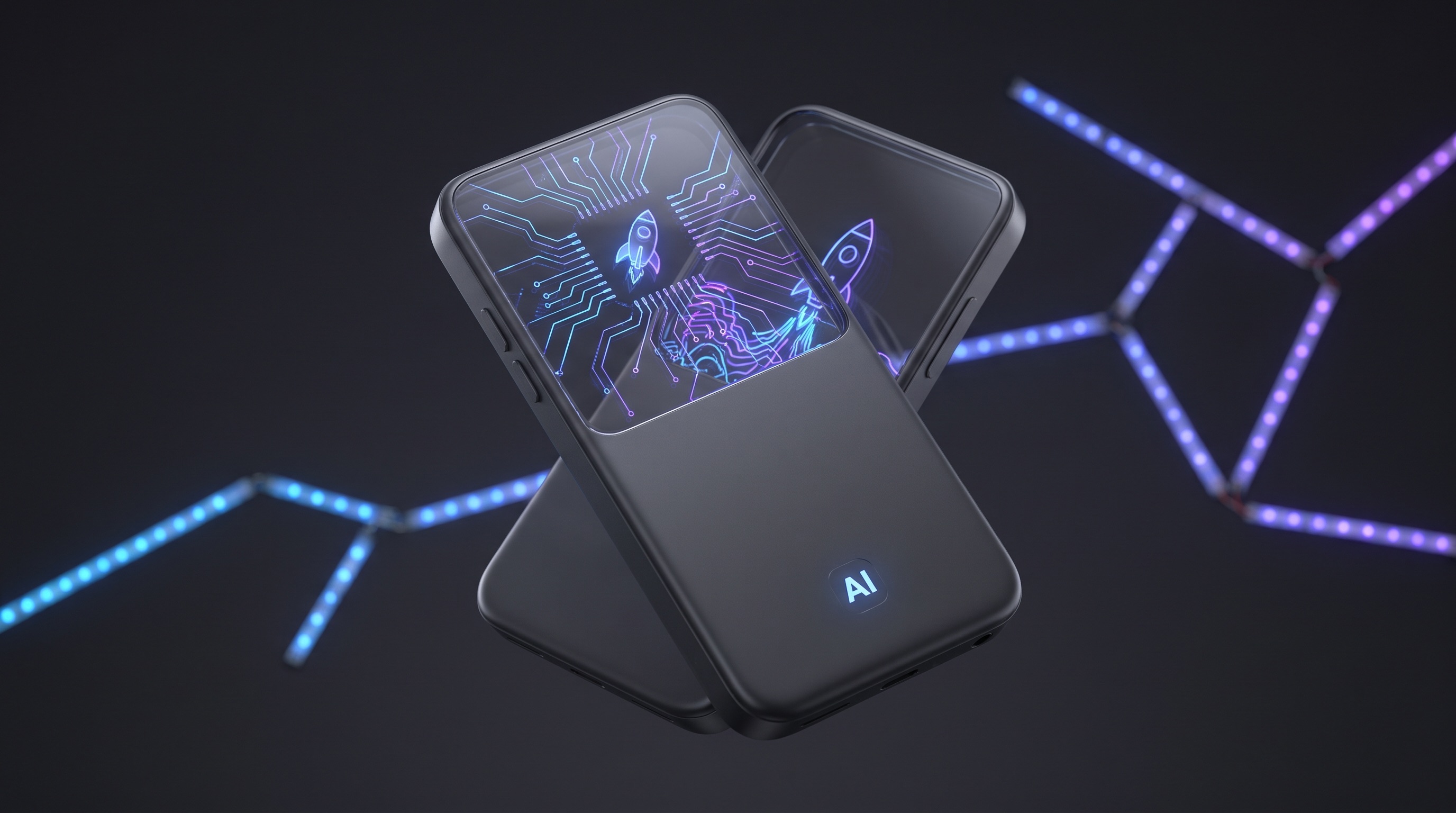
SpaceX showed prospective investors a prototype AI device described as handset-like during pre-IPO discussions, The Wall Street Journal reported on July 1, 2026. The prototype was reportedly slimmer than an iPhone, ran a proprietary operating system, and was still early enough in development that its design could change before any public release. No device name or launch timeline was disclosed.
Why This Matters
SpaceX absorbed xAI in February 2026, folding Elon Musk's AI lab into the rocket and satellite company ahead of a long-rumored initial public offering. That merger turned SpaceX's investor pitch from a story about launch cadence and Starlink subscriber growth into something closer to a vertically integrated technology stack: silicon, an AI model, and now, reportedly, a piece of hardware to run it on. According to TechCrunch's coverage of the Journal's report, the device was pitched as a way to unify Starlink connectivity with xAI's Grok assistant, echoing Musk's repeated public interest in building an "everything app" comparable to WeChat or Alipay — a single platform for messaging, payments, and AI services.
What's Reportedly Inside
Other outlets covering the Journal's story, including TechRepublic and Forbes, add that the prototype reportedly runs on Qualcomm Snapdragon hardware rather than custom silicon, at least at this stage, and that a Starlink Mobile connectivity angle was part of the pitch. None of these specifics — the chipset, the OS, or the Starlink tie-in — have been confirmed by SpaceX or Qualcomm, and reporting describes a prototype shown privately to investors, not a product roadmap.
Musk's Denial
Elon Musk responded to the report on X, calling it "utterly false." The denial is notable because it came within hours of a detailed, multi-outlet report citing sourcing around the same investor pitch SpaceX had reportedly given only weeks earlier as part of its IPO preparations. SpaceX has not issued a separate statement disputing specific details in the reporting, such as the Qualcomm hardware or the Grok integration. Following the report, SpaceX shares reportedly fell about 7.3% in trading, temporarily erasing more than $50 billion from Musk's net worth on paper, according to Forbes.
The Bigger Picture
If accurate, a Musk-family device that bundles Starlink connectivity, xAI's Grok, and dedicated hardware would put SpaceX in direct competition with Apple, Google, and Samsung on handsets, and with OpenAI's own hardware ambitions on the AI-assistant side. It would also mark the first time SpaceX — historically a rockets-and-satellites company — moved into consumer electronics, a step that changes how investors should value the company ahead of any public listing. Whether the prototype becomes a real product, a shelved experiment, or nothing more than an investor slide remains unclear, and Musk's flat denial leaves the story unresolved for now.
Originally reported by TechCrunch. Read the original article for additional details.
View original source