SpaceX and Tesla break ground on Terafab, a $16.8 billion Texas chip plant
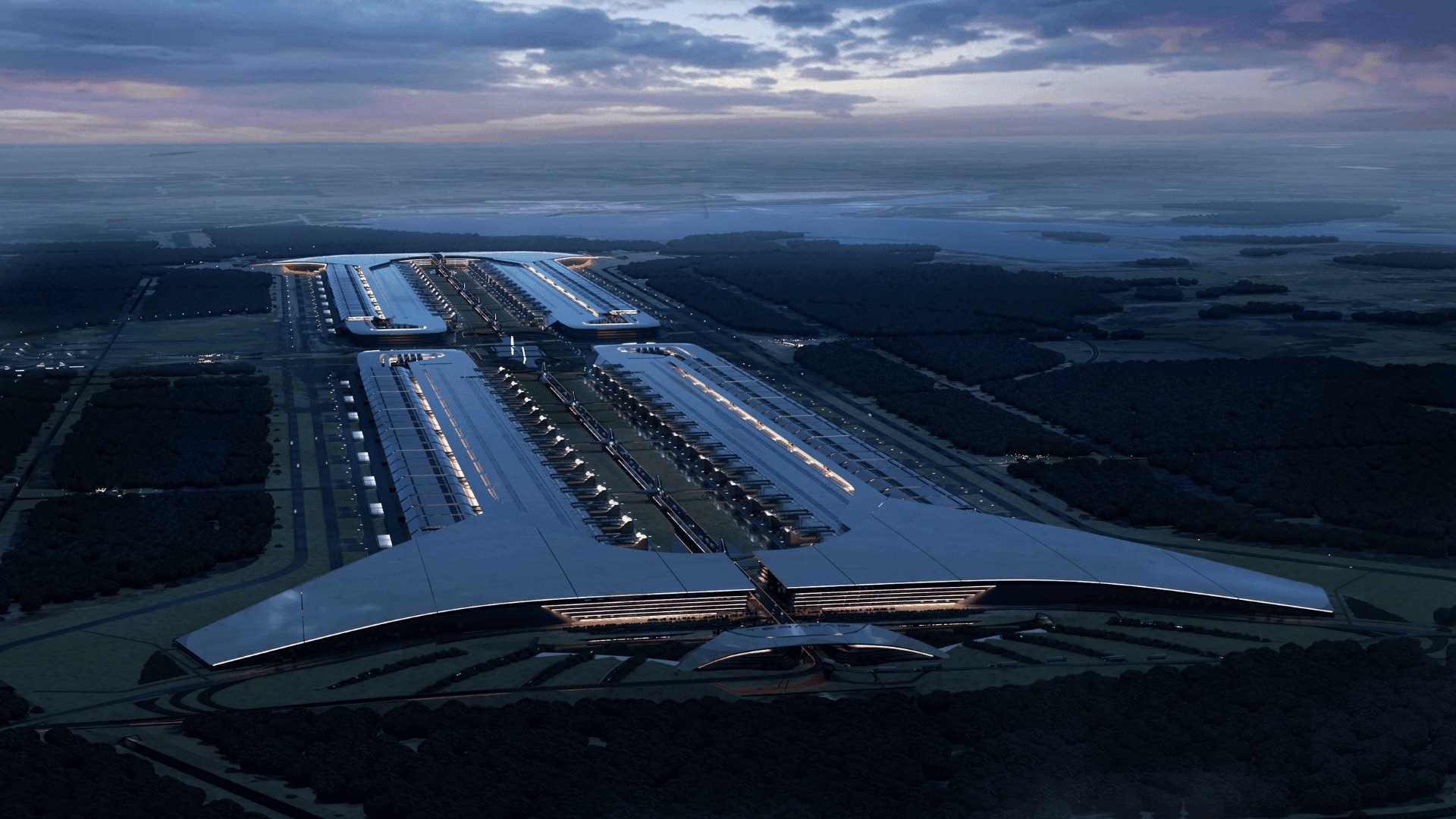
SpaceX and Tesla have started building a jointly owned semiconductor factory in Texas called Terafab, a first-phase $16.8 billion project the companies say is meant to close a widening gap between the chips they need and the chips the industry can supply. Crews have broken ground on a research site in Austin, with the main facility slated for Grimes County, northwest of Houston.
The move is unusual even by Elon Musk's standards. Rather than buying more capacity from established foundries like TSMC or Samsung, the two companies are attempting to vertically integrate one of the hardest parts of the technology stack: making advanced chips at scale. In their announcement, SpaceX and Tesla said their combined demand is "expected to be in excess of 1 terawatt of compute, which is significantly larger than the current global supply" — the reasoning behind the plant's name.
The plan calls for a roughly 100-million-square-foot campus where chips are fabricated, packaged and tested under one roof. The companies say the output will feed Tesla's Optimus humanoid robots, its self-driving Cybercab fleet, and SpaceX's planned orbital data centers — workloads that all lean heavily on custom silicon and AI inference. Vertical integration would give Musk's companies more control over supply, cost and design, and insulate them from the memory and packaging shortages currently squeezing the whole industry.
The first phase is expected to bring at least 3,000 jobs to Grimes and Brazos counties, with the companies pledging to train workers through partnerships with local schools. On the environmental side — a recurring flashpoint for chip fabs, which are water-intensive — SpaceX and Tesla said the site will draw from the Gibbons Creek Reservoir rather than local groundwater, and will treat and reuse wastewater on the property.
Building a leading-edge fab is enormously capital-intensive and slow: comparable projects from Intel, TSMC and Samsung have run tens of billions of dollars and taken years to reach volume production, often with delays. Whether two companies with no track record in semiconductor manufacturing can execute where specialists struggle is the open question. But the scale of the ambition — and Musk's stated goal of "building the largest chip manufacturing facility on the planet" — signals how central in-house silicon has become to Tesla's robotics and SpaceX's compute roadmap.
Details of the project were reported by Tomorrow's World Today, drawing on SpaceX's official Terafab update.
Originally reported by Tomorrow's World Today / SpaceX. Read the original article for additional details.
View original source