Snap unveils Specs, standalone AR glasses launching this fall at $2,195
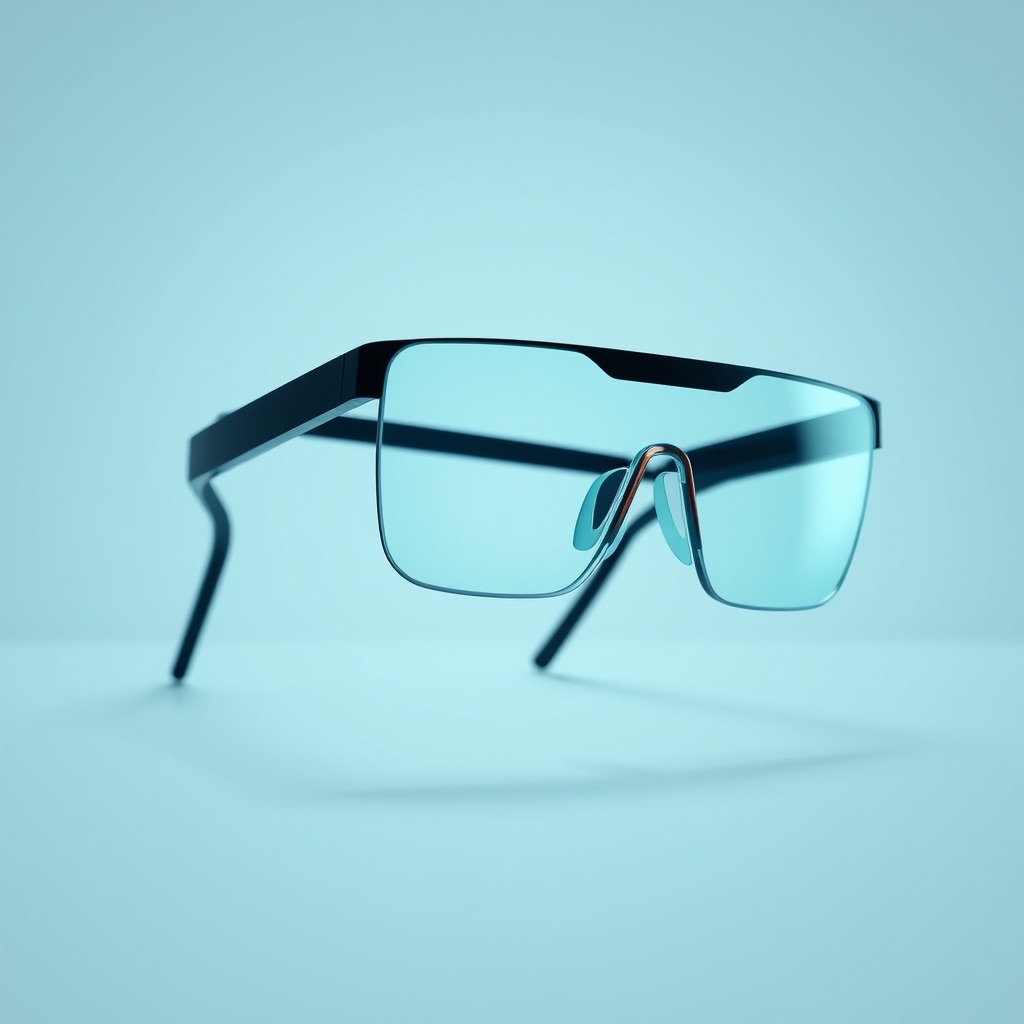
Snap unveiled Specs, its first standalone consumer augmented reality glasses, at the Augmented World Expo 2026. The device is priced at $2,195, with pre-orders open now via a refundable $200 deposit, and is set to ship this fall to the US, UK, and France.
Standalone, not another accessory
Unlike many AR wearables that lean on a phone or an external "puck" for processing power, Specs are fully standalone — no tether, no companion compute unit. That's a meaningful engineering claim: Snap is packing two separate Qualcomm Snapdragon processors into the frame, one dedicated to computer vision and one running the AR experiences Snap calls "Lenses." The glasses are built from Swiss TR90 polymer and come in two sizes — a 47mm model at 132 grams and a 52mm model at 136 grams — with removable prescription inserts and multiple nose pads for fit.
Display and latency specs that matter
Specs use a proprietary liquid crystal on silicon (LCoS) display system offering a 51-degree field of view and 16 million colors, which Snap says can simulate anything from a 24-inch desktop monitor for work to a 115-inch home cinema screen for video. The company also redesigned its waveguide technology using nanostructures small enough that more than 10,000 fit on the tip of a human hair, aimed at producing a clearer view of the real world behind the display. Motion-to-photon latency is rated at 7 milliseconds, which is what keeps digital overlays feeling anchored to real-world objects rather than lagging behind head movement — a common failure point in earlier AR hardware.
Electrochromic lenses borrowed from aviation
Specs' lenses use electrochromic technology similar to the dimming windows on a Boeing 787 Dreamliner, shifting from clear to tinted in about 10 seconds, making the glasses usable both indoors and in direct sunlight without a separate pair of sunglasses. Battery life is rated at up to 4 hours of mixed use — audio, video, AI assistance, and Lenses — extendable to roughly 20 hours total with the included charging case, which holds four additional charges.
Privacy by design, and the competitive picture
Snap built in a recording-indicator LED that illuminates whenever the glasses are capturing video, alongside an emphasis on on-device processing — a direct response to the privacy criticism that dogged Google Glass a decade ago and that continues to shadow Meta's Ray-Ban smart glasses line. At $2,195, Specs are priced well above Meta's camera-equipped glasses, positioning the product as a premium standalone computer rather than a mass-market accessory. Whether that price supports the volume Snap needs to justify years of AR investment — the company has been building toward this moment for more than a decade — will depend on whether "Lenses" experiences give people a reason to wear a computer on their face for hours at a time, something no AR device has convincingly achieved yet.
Originally reported by Snap Inc.. Read the original article for additional details.
View original source