Snap launches $2,195 Specs AR glasses, targeting enterprise before consumers
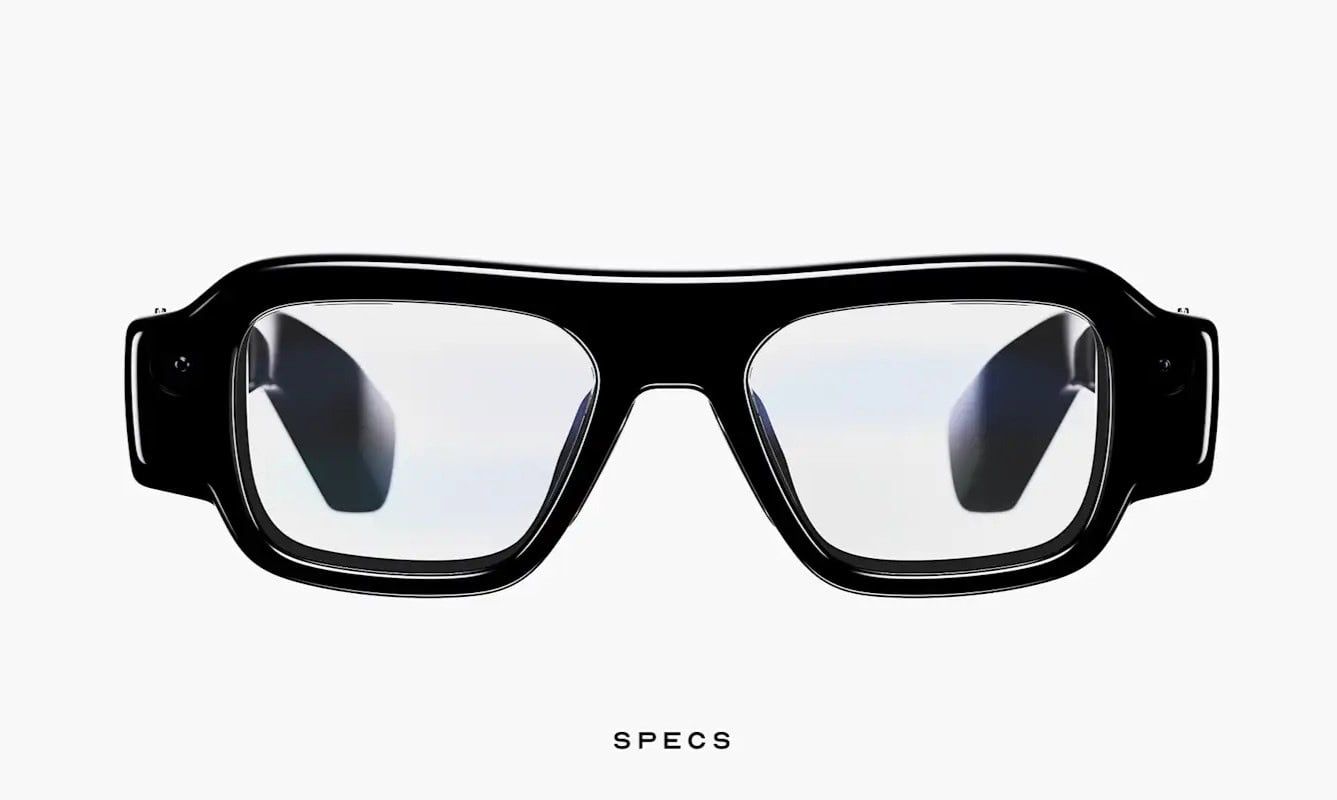
Snap officially launched its Specs augmented reality glasses on Tuesday at $2,195, opening sales for a standalone, self-contained AR device that runs without a phone or external computer — and pitching it squarely at businesses rather than the mass consumer market that made Snapchat itself a household name.
What's Actually Inside Specs
Specs pack dual Snapdragon processors, one on each side of the frame, driving dual built-in displays with one screen per lens for improved visibility over earlier single-display AR designs. That dual-processor, dual-display architecture is also why the glasses are noticeably thicker and heavier than conventional eyewear — running two independent display and compute pipelines inside a wearable frame is still a hard engineering constraint that Snap chose not to compromise on for this generation.
Alongside the hardware, Snap introduced Specs Intelligence, a digital assistant that works not just on the glasses but across iPhones and Mac computers as well. The assistant follows a freemium model: a free tier plus multiple paid tiers scaled to usage, though Snap has not yet finalized specific pricing for the paid levels.
Why Snap Is Targeting Enterprise First
CEO Evan Spiegel framed the launch around business use cases rather than consumer novelty, saying the goal is to "make it really easy for businesses to get the benefits of those agentic platforms" by pairing Specs with established enterprise software partners. Snap named Nvidia, which is providing an open-source XR AI platform for developers building on Specs, alongside AWS and Salesforce, with Salesforce specifically collaborating on agentic business applications — AI agents that can act on a company's internal systems, viewed and triggered through the glasses' display.
That enterprise-first positioning is a deliberate departure from Snap's earlier Spectacles line, which launched in 2016 as a $130 consumer camera accessory. At $2,195 — nearly 17 times that original price — Specs is priced like enterprise hardware because Snap is betting that businesses, not consumers, will absorb the cost of an unproven wearable computing category first.
The Open Question
Snap's own reporting acknowledges demand concerns going into this launch: a device this expensive, this early in the AR-glasses category, competing against Meta's Ray-Ban lineup and a wave of Chinese entrants, faces real uncertainty about whether enterprise budgets will absorb it at scale before the underlying technology matures and costs come down. The Nvidia, AWS, and Salesforce partnerships give Snap credible enterprise distribution channels it wouldn't have selling directly to consumers — but they also mean Specs' near-term success depends on enterprise IT budget cycles and B2B sales relationships, a very different growth path than the viral consumer adoption that built Snapchat.
Originally reported by Android Headlines. Read the original article for additional details.
View original source