Scientists warn SpaceX's plan for 1 million AI satellites could alter the upper atmosphere
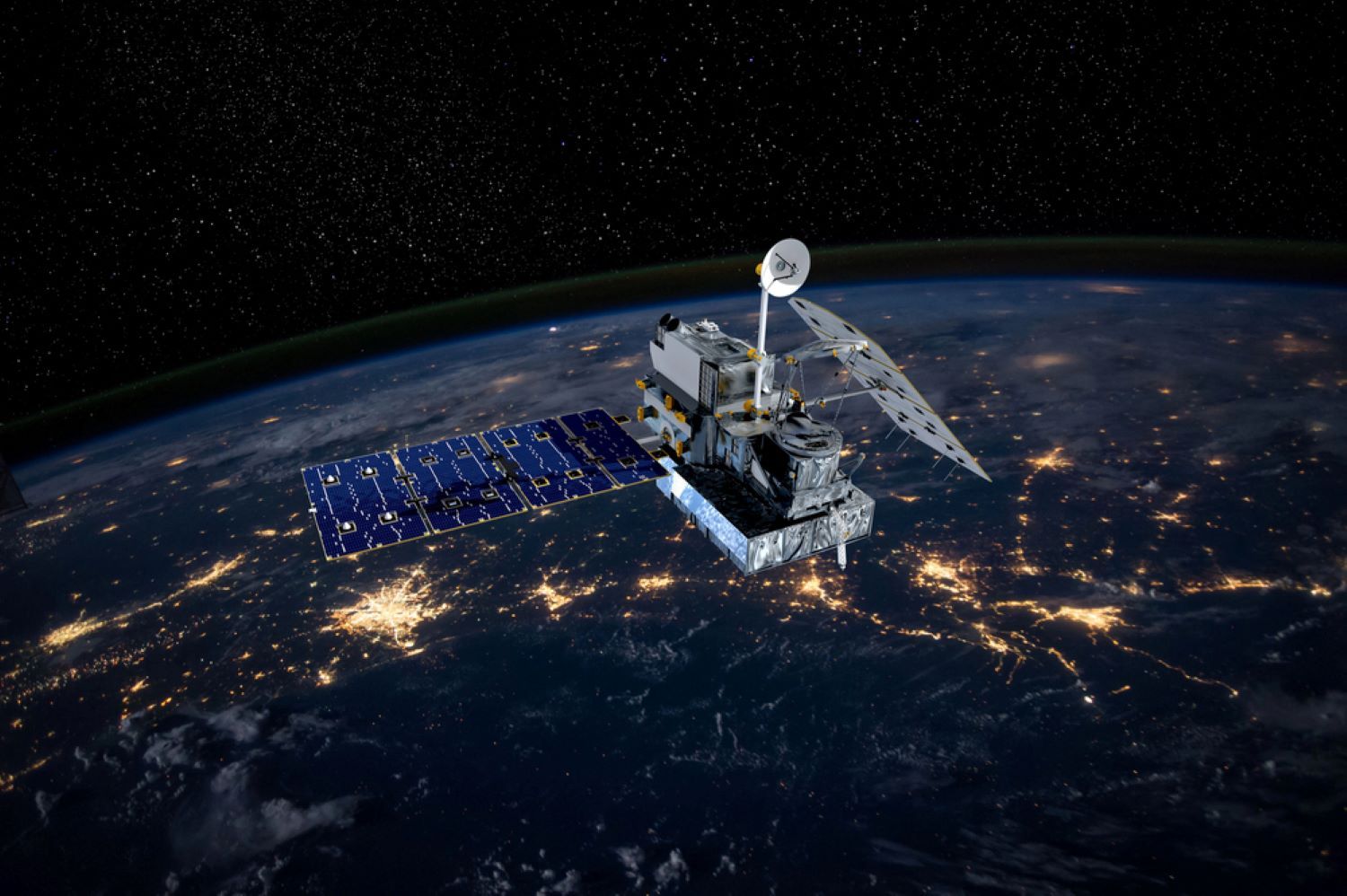
SpaceX filed an application with the Federal Communications Commission earlier this year seeking authorization to eventually deploy up to one million solar-powered satellites functioning as orbital AI data centers. Now, atmospheric scientists are pushing back, arguing that no regulatory framework currently governs what happens when satellites at that scale burn up in the atmosphere — and that new research shows the risk isn't theoretical.
What's driving the alarm now
The concern gained new weight after researchers linked a single uncontrolled Falcon 9 upper-stage reentry to a measurable atmospheric pollutant spike: a lithium plume roughly 10 times above normal background levels at around 100 kilometers altitude. Scientists described it, in a report published in Science, as the first direct evidence connecting a specific piece of space debris to a measurable change in stratospheric chemistry — moving the debate from modeling and projection to observed, documented impact.
Current Starlink reentry activity already runs at roughly four satellites per day, seeding the upper atmosphere with aluminum, lithium, copper, and lead as spacecraft burn up. A constellation of one million AI satellites, replaced on an estimated five-year lifecycle, would imply roughly 200,000 reentries annually — a scale of atmospheric metal deposition with no historical precedent and no natural equivalent, since meteoric input is dramatically smaller.
Why AI satellites specifically raise the stakes
Orbital AI data-center satellites are heavier and more complex than typical communications satellites — estimates put individual units at up to 7.5 metric tons, versus a few hundred kilograms for a standard Starlink satellite. Heavier satellites mean more metal oxide byproducts per reentry event. Deploying a million-satellite constellation could require on the order of 77,000 Starship launches — roughly 15,300 per year at a ten-year buildout pace, compared to 324 total orbital launches worldwide in all of 2025.
Reentry byproducts matter because they don't stay contained. Aluminum oxide formed as satellite structures burn up is chemically linked to processes that deplete stratospheric ozone. Black carbon from rocket launch exhaust is a recognized warming agent when deposited at high altitude. Neither effect is new in kind — both have been documented at current, much smaller launch volumes — but scientists say nobody has modeled what happens when reentry frequency increases by roughly two orders of magnitude.
The regulatory gap
The core problem researchers are flagging isn't that the environmental effects are certain to be catastrophic — it's that no one is required to find out before approval. The FCC's satellite licensing process was built around orbital debris and radio-spectrum interference, not atmospheric chemistry. There is currently no requirement for an environmental impact assessment specific to reentry pollution before a mega-constellation of this scale gets a green light.
SpaceX, Amazon, and Blue Origin have all filed applications for large-scale orbital data-processing constellations, meaning the SpaceX filing under scrutiny here is not an isolated case — it's the leading edge of an industry-wide shift toward putting AI compute in orbit. Scientists are explicitly asking regulators to commission an independent atmospheric study before any of these applications are approved at scale, rather than treating the question as settled by the launch industry's own environmental filings.
As reported by NBC News.
Originally reported by NBC News. Read the original article for additional details.
View original source