Samsung's Galaxy Z Fold8 Ultra drops to 4.1mm, starts at $2,099
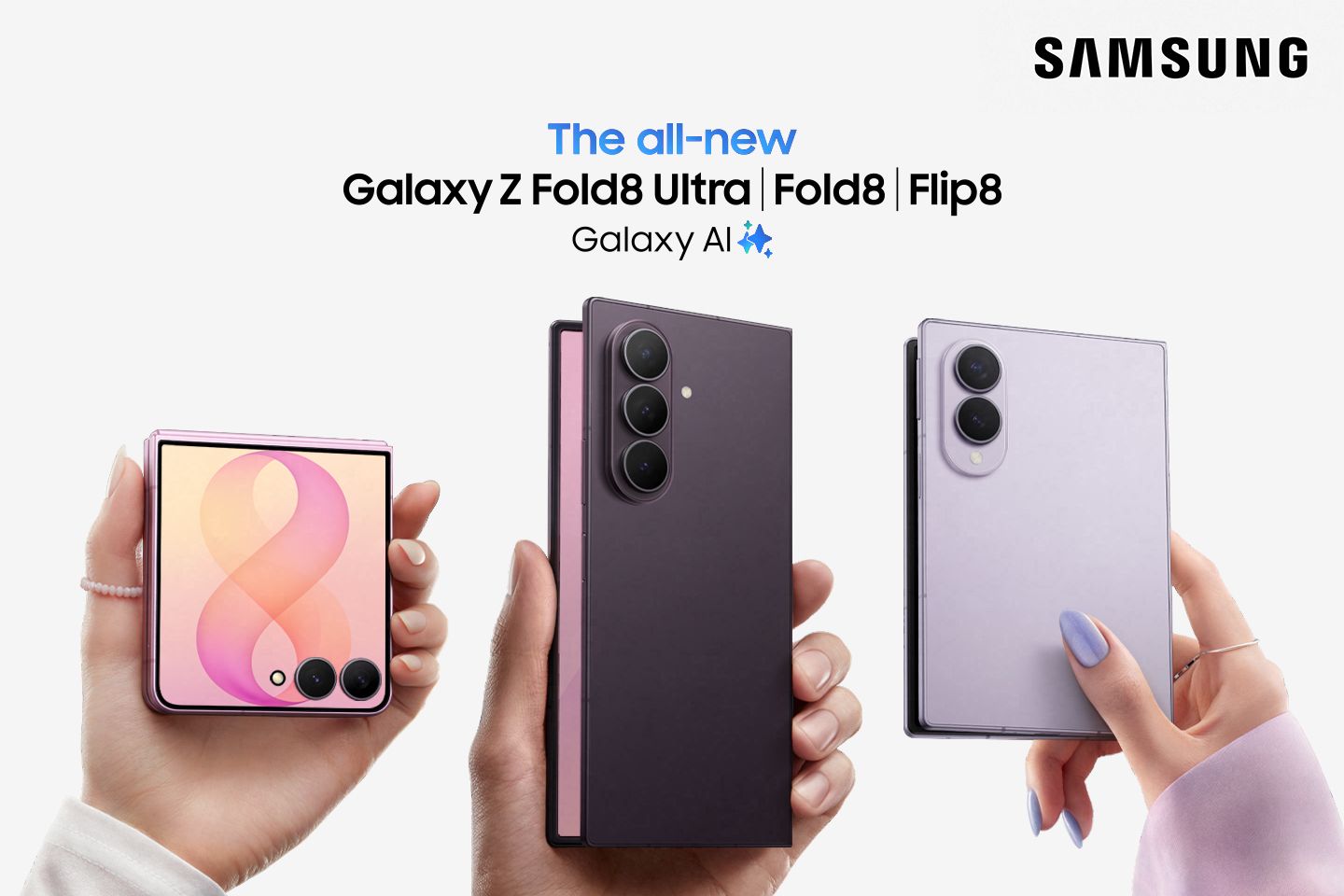
Samsung introduced three new foldable phones at a Galaxy Unpacked event in London on July 22: the Galaxy Z Fold8 Ultra, Galaxy Z Fold8, and Galaxy Z Flip8. The headline device, Fold8 Ultra, starts at $2,099 for 12GB of RAM and 256GB of storage, rising to $2,299 for 512GB and $2,699 for the 1TB model. Pre-orders are open now in select markets, with general retail availability set for August 7.
Foldables have spent the past few years fighting a reputation for being thick, heavy compromises next to a standard slab phone. Samsung's pitch with the Ultra tier is that the compromise is mostly gone: at 4.1mm unfolded, it's the thinnest Z Fold Samsung has shipped, and at 215 grams it's lighter than several non-folding flagships on the market. That required a new "Flex Titanium" display structure, which Samsung says also reduces the visibility of the center crease that has been foldables' most persistent visual complaint since the format launched.
Specs-wise, the Fold8 Ultra pairs an 8.0-inch main display (2504×2256, QXGA+) with a 6.5-inch cover screen (1080×2520, FHD+), both hitting 3,000 nits peak brightness. It runs the Snapdragon 8 Elite Gen 5 for Galaxy chipset, with up to 16GB of RAM. The camera system is a 200MP main sensor with HDR capture, a 50MP ultra-wide, and a 10MP telephoto with 3x optical zoom — closer to Samsung's S-series flagship camera hardware than past Fold models offered. Battery capacity is 5,000mAh with 45W wired charging over a dual-path architecture Samsung says improves charging efficiency, and the phone carries an IP48 rating for dust and water resistance.
The standard Galaxy Z Fold8 undercuts the Ultra on price and trims the display to 7.6 inches main / 5.5 inches cover, with a dual 50MP wide/ultra-wide camera setup instead of the triple array, a 4,800mAh battery, and the same Snapdragon 8 Elite Gen 5 chipset. It's slightly thicker at 4.5mm unfolded and heavier at 201 grams, but shares the new titanium hinge and reshaped 4:3 main-screen ratio, which Samsung optimized for one-handed use compared to the taller, narrower aspect ratio of earlier Fold generations.
The clamshell in the lineup, Galaxy Z Flip8, is the value play: a 6.9-inch main display, 4.1-inch Super AMOLED cover screen, and an Exynos 2600 chipset rather than Snapdragon. Samsung is positioning the Flip8's redesigned FlexWindow as an "AI-native" interface, built around a feature called Now Brief that surfaces contextual information — schedule, weather, notifications — directly on the cover screen without opening the phone. All three models share the IP48 rating and are available in a rotating set of standard and Samsung.com-exclusive colorways, including a new Green Shadow finish exclusive to the Fold8 Ultra.
The launch puts Samsung's foldable strategy in sharper relief against rivals. Google and Honor have both pushed thinner foldables over the past year, and Apple is widely expected to enter the category with its first folding iPhone. By splitting its lineup into three tiers — value clamshell, mainstream fold, and a premium Ultra positioned at $2,099 and up — Samsung is defending the top end of the foldable market on hardware specs (thinness, camera resolution, brightness) rather than competing purely on price, a bet that the category's early adopters will pay a premium once the thickness and durability complaints are meaningfully addressed.
For buyers deciding between the three, the calculus is straightforward: the Flip8 remains the cheapest way into Samsung's foldable ecosystem, the standard Fold8 is the value pick for anyone who doesn't need flagship camera hardware, and the Fold8 Ultra is aimed squarely at buyers replacing a standard flagship phone who want the productivity of a tablet-sized screen without carrying noticeably more bulk. As reported by Samsung's own newsroom announcement, full regional pricing and carrier deals are still rolling out ahead of the August 7 on-sale date.
Originally reported by Samsung Newsroom. Read the original article for additional details.
View original source