Realta Fusion Becomes First Private Company to Generate Electricity Directly from a Fusion Reaction
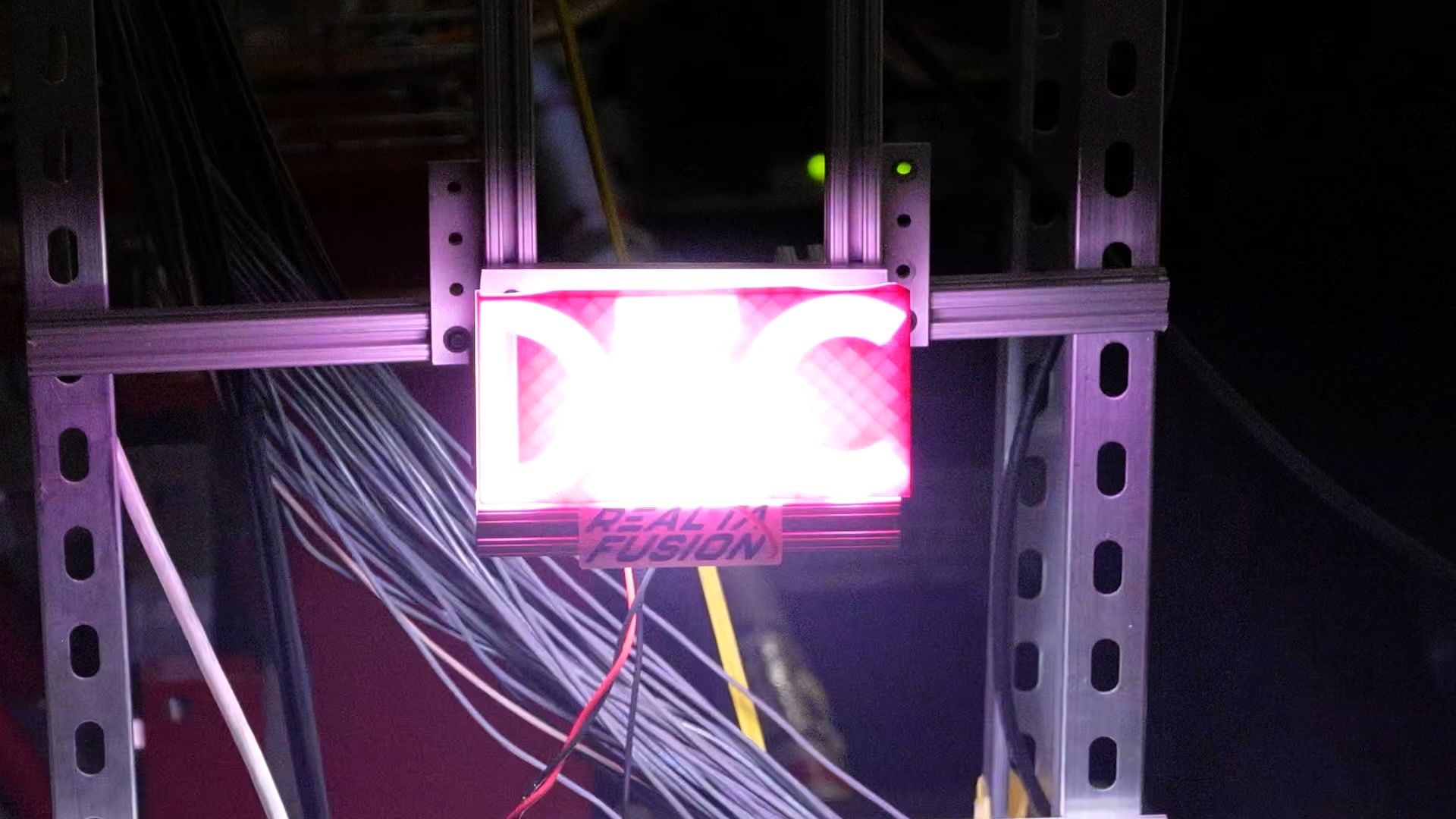
Realta Fusion lit up a lightbulb on June 19, 2026 using electricity drawn directly from a fusion plasma — a milestone the Wisconsin-based startup claims makes it the first private company to publicly demonstrate direct electricity generation from a fusion reaction, as reported by TechCrunch.
The demonstration used Realta's WHAM (Wisconsin HTS Axisymmetric Mirror) device, a compact fusion machine that captures energy from alpha particles — charged helium-4 nuclei produced when deuterium and tritium fuse. Rather than converting that energy to steam to spin a turbine, Realta's direct energy conversion system extracts the electrical charge of those particles directly, generating multiple amps at 100 volts — enough to power several lightbulbs simultaneously.
Why Efficiency Matters Here
Conventional fission and most proposed fusion plants convert thermal energy to electricity through a steam cycle, achieving roughly 33% efficiency. Realta's direct conversion approach — harvesting alpha particle energy before it thermalizes — is estimated to reach around 90% efficiency. The alpha particles represent approximately 20% of the total energy released in a deuterium-tritium reaction, so the method does not capture all fusion output, but what it does capture, it captures well.
"We can take power from a plasma," co-founder and CEO Kieran Furlong said. At commercial scale, Realta estimates this technique could increase net plant output by 20-30% by recirculating harvested electricity directly back to heat the plasma, reducing the external energy input needed to sustain the reaction.
Context in the Fusion Race
Realta raised a $36 million Series A led by Future Ventures in 2025 and is currently in the process of raising additional capital. The company is not the only fusion startup pursuing direct energy conversion: Helion Energy, backed by a $375 million commitment from Sam Altman and a power purchase agreement with Microsoft, has also stated its intention to use direct conversion — but has not yet publicly demonstrated it.
The distinction matters. Demonstrating that direct energy conversion works at the device level — even at small scale — moves it from a theoretical efficiency claim into the engineering domain. It does not mean a commercial fusion power plant is imminent; the path from a lightbulb powered by fusion to a grid-connected reactor involves many more steps across plasma confinement, fuel handling, materials science, and regulatory approval.
But for a field where commercial demonstrations of any kind have been rare, Realta's June 19 test is a concrete data point: plasma-sourced electricity flowing through a real circuit, at a private facility, recorded and reported publicly for the first time.
Originally reported by TechCrunch. Read the original article for additional details.
View original source