Precision Neuroscience raises $250M for its FDA-cleared brain-computer interface, backed by Bill Ackman
Precision Neuroscience has closed an oversubscribed $250 million Series D funding round to expand its FDA-cleared brain-computer interface, bringing the four-year-old company's total capital raised to $430 million. The round was led by Bill Ackman's Pershing Square and the Ackman Oxman Institute, alongside an undisclosed life sciences fund.
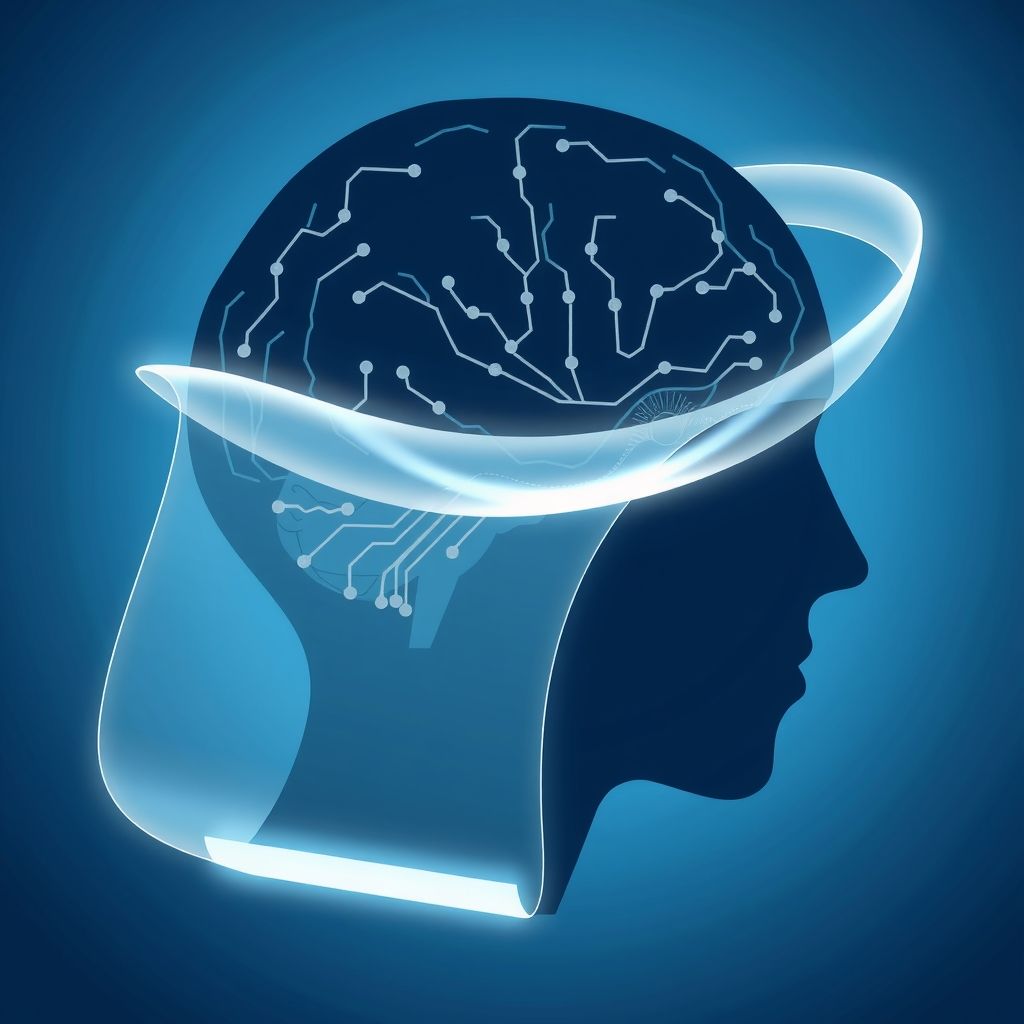
The company's Layer 7 Cortical Interface takes a fundamentally different approach than Elon Musk's Neuralink. Rather than permanently implanting electrodes into brain tissue, Layer 7 is a thin-film device — about one-fifth the thickness of a human hair — that packs 1,024 electrodes into 1.5 square centimeters and slides onto the surface of the brain through a sub-millimeter incision. It's designed to be removed, and the FDA has cleared it for implantation periods of up to 30 days.
Already in use across 18 hospitals
Layer 7 isn't a lab prototype. Precision Neuroscience says it has been used in more than 100 patient procedures across 18 medical institutions, including the University of Pennsylvania, University of Chicago Medicine, Mount Sinai Health System, West Virginia University's Rockefeller Neuroscience Institute, and Johns Hopkins. The device's primary applications are helping patients with paralysis or neurological injury operate computers and smartphones using thought alone, and mapping brain activity during surgery.
Betting on reversibility over permanence
The minimally invasive, removable design is Precision's central pitch: where fully implanted systems raise questions about long-term safety, tissue scarring, and what happens if a device fails or needs an upgrade, a device that can be removed and replaced without invasive brain surgery lowers the stakes for both patients and regulators — likely a factor in its FDA clearance timeline.
The company also brought on Dr. John Donoghue, founder of the pioneering BrainGate BCI research program and a 2026 Queen Elizabeth Prize laureate, as a scientific advisor. "The next phase of BCI will be defined by more than technology alone," said CEO and co-founder Michael Mager.
Why the investor list stands out
Beyond Pershing Square, the round drew participation from Duquesne Family Office, B Capital, ARK Invest, Invus, Mubadala Capital, Mirae Asset Capital, Korea Investment Partners, Hitachi Ventures, and JSL Health Capital — a mix of hedge funds, sovereign capital, and dedicated life-sciences investors that signals brain-computer interfaces are increasingly being treated as a near-term medical device category rather than a speculative long-horizon bet.
Precision Neuroscience manufactures the interface at its own MEMS fabrication facility in Texas, giving it direct control over production as it scales beyond its current clinical footprint toward broader commercial deployment.
Originally reported by BioSpace. Read the original article for additional details.
View original source