OpenAI's first hardware device is a screenless speaker that moves, and Apple is suing over it
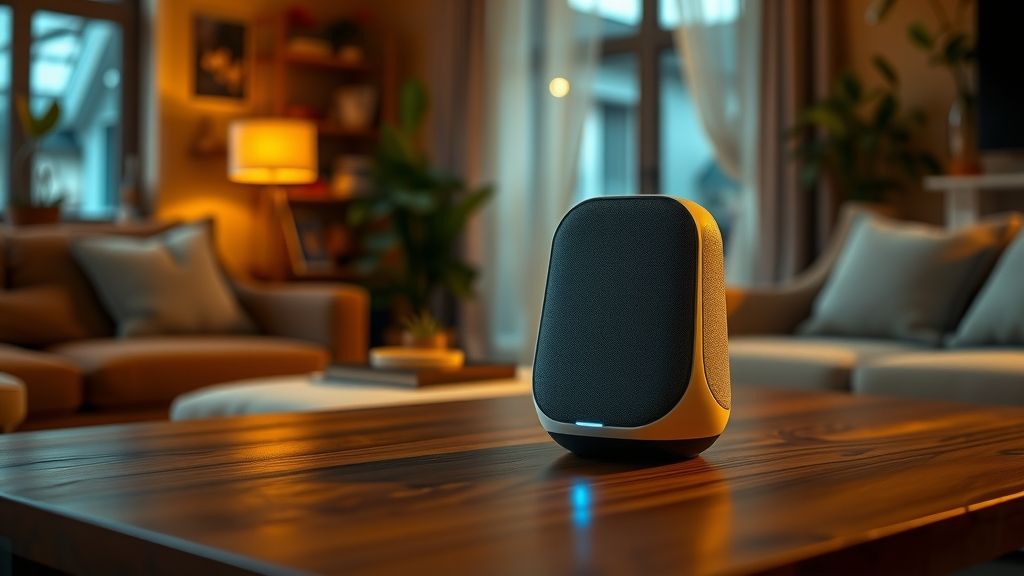
OpenAI's first hardware product is taking shape as a screenless smart speaker designed to feel less like a gadget and more like a companion, according to Bloomberg reporting cited by TechCrunch and Fortune this week. The device has no display, moves using its own mechanical parts to create the impression it's alive rather than simply following commands, and is designed to function as an always-present AI presence in the home.
What the device does
The speaker connects to a user's digital life, including email, and can control smart home appliances, play media, answer questions, and hold conversations — all powered by ChatGPT and, for voice interaction specifically, OpenAI's more advanced GPT-Live voice model. It also includes a camera and other sensors so it can understand its physical surroundings and context, going beyond what conventional smart speakers from Amazon or Google currently offer.
The project traces back to OpenAI's $6.5 billion acquisition of io Products, the hardware startup co-founded by former Apple design chief Jony Ive, announced last year. Ive's design studio LoveFrom has been collaborating with OpenAI on the device for roughly two years before this week's reporting made the details public, according to Fortune. The team includes several engineers who previously worked on the iPhone and Mac at Apple.
Apple's lawsuit
The story took a sharper turn this week when Apple sued OpenAI and two former Apple employees in the U.S. District Court for the Northern District of California, alleging that OpenAI built its hardware division on insider knowledge extracted from ex-Apple staff. According to Apple's complaint, OpenAI questioned former Apple employees about confidential projects and asked them to bring prototypes with them. Apple's filing describes OpenAI's hardware business as resting on "the shakiest of foundations, rotten to its core by its illegal reliance on misappropriated trade secrets."
An OpenAI spokesperson denied the claims, saying the company has no interest in other companies' proprietary information and remains focused on "building innovative technology that empowers people everywhere." Neither company has disclosed further legal filings publicly at this stage.
Why this matters
This is OpenAI's first move into physical hardware since ChatGPT became a mainstream product, and it puts the company in direct competition with the smart speaker categories Amazon and Google have occupied for a decade, plus emerging AI companion hardware from startups. Unlike a phone or headset, a screenless, expressive companion device is a genuinely different hardware bet — one that depends on making an object without a screen feel trustworthy and useful enough to keep in a home permanently.
The lawsuit adds a second dimension: if Apple's trade secret claims gain traction in court, it could delay or reshape OpenAI's hardware roadmap regardless of how compelling the product itself is. Given that Ive's team includes several ex-Apple hardware veterans, the case will likely turn on where design inspiration ends and misappropriated confidential information begins — a distinction courts have historically found difficult to draw cleanly in trade secret disputes involving departing employees.
Neither the launch date nor pricing has been disclosed. As reported by TechCrunch.
Originally reported by TechCrunch. Read the original article for additional details.
View original source