OpenAI to spend over $30 billion on Project Camellia, its first self-built data center
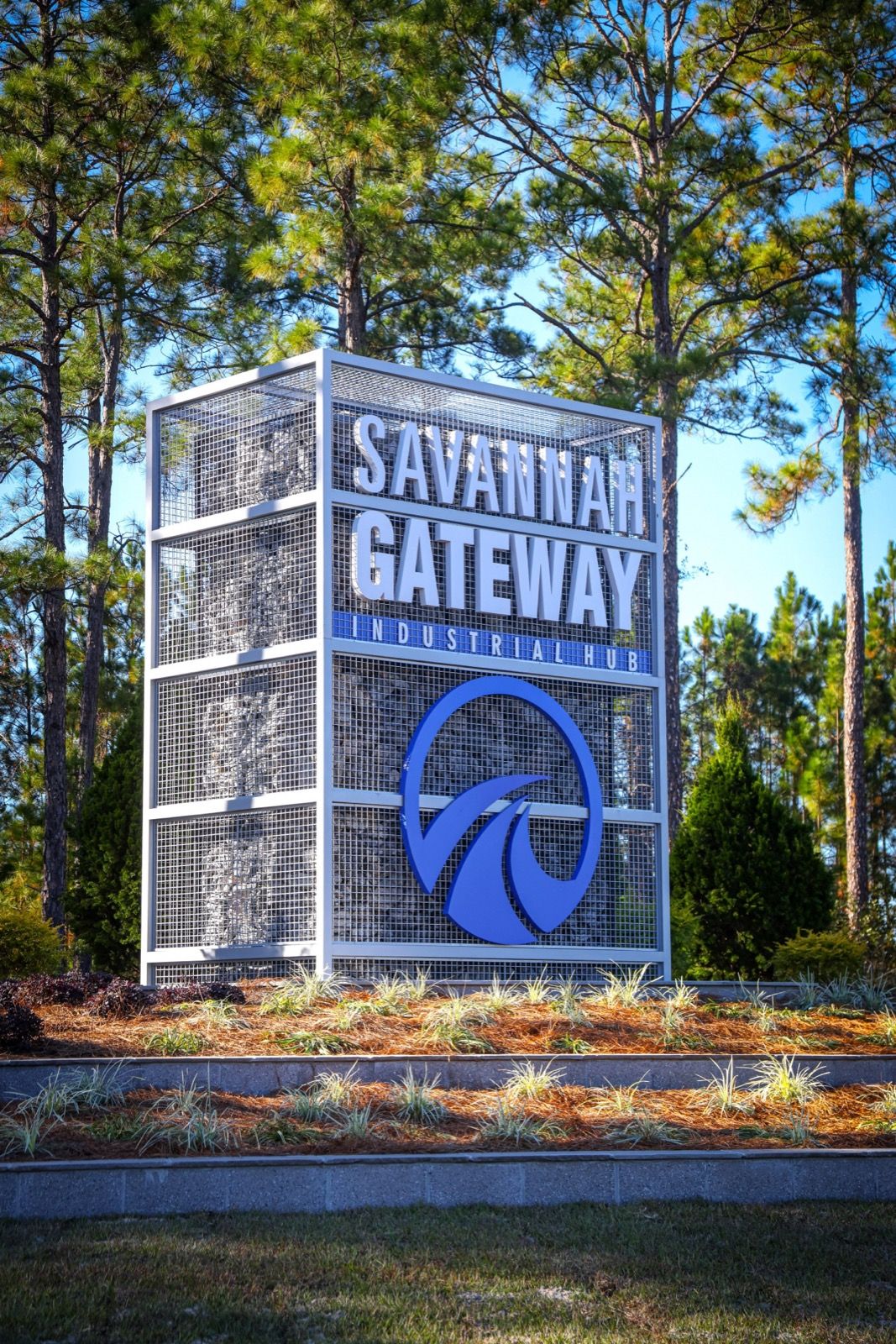
OpenAI announced on July 22 that it is building Project Camellia, a 3.2-gigawatt data center campus in Effingham County, Georgia, with a total project cost exceeding $30 billion. The site, spread across roughly 101 acres inside the 2,600-acre Savannah Gateway Industrial Hub near Rincon, marks the first data center OpenAI is designing and constructing itself rather than leasing capacity through a partner like Microsoft, Oracle, or CoreWeave.
That distinction matters. Until now, OpenAI's compute has come almost entirely from infrastructure other companies own and operate — a dependency that ties the pace of model training directly to how fast partners can build and how much they're willing to commit. Sachin Katti, OpenAI's vice president of compute strategy, said the fully built facility will likely cost more than $30 billion, with OpenAI already committing $20 billion of that itself and actively seeking financing partners for the remainder. Owning the build lets OpenAI standardize its own blueprints for data centers, networking, and hardware — templates it says it plans to reuse for faster deployment at future sites.
Georgia Power will deliver the 3.2 gigawatts of contracted capacity in phases, with the first several hundred megawatts coming online in 2028 and the full buildout extending through 2032. For scale, 3.2 gigawatts is roughly the power draw of 2.4 million American homes — making Camellia one of the largest single AI infrastructure commitments announced this year, alongside Hut 8's $9.8 billion Texas lease and Japan's ¥380 billion Noetra robotics-AI initiative.
OpenAI is framing the project explicitly around not repeating the community backlash that has hit data center buildouts elsewhere in the US, where sudden spikes in local electricity demand have pushed up residential rates and strained water supplies. The company says Georgia families will not subsidize the project: OpenAI is covering all transmission and distribution upgrade costs itself, and Georgia Public Service Commission rules prohibit passing those costs to existing ratepayers. Camellia is also being built as one of the first data centers designed to proactively reduce its own power draw during grid stress, and will use a closed-loop cooling system to limit water consumption.
The company is also putting real money behind the local relationship: an $80 million community benefits fund covering education, public safety, healthcare, and small-business support in Effingham County, plus up to $71 million in Codex AI credits for students at Georgia colleges, universities, and technical schools. OpenAI estimates the project will create around 400 permanent jobs in operations, maintenance, security, and data safety once running, with room to scale toward 1,000, on top of thousands of temporary construction jobs during the build.
Camellia lands the same week OpenAI launched Presence, an enterprise platform that connects AI agents to a company's internal systems — shared context, permissions, guardrails, and evaluations across voice and chat — aimed at customer support, sales, and higher-risk internal workflows. Early partners exploring Presence reportedly include BBVA, SoftBank, and IAG. Together, the two announcements point at the same underlying bet: OpenAI expects enterprise AI demand to keep climbing fast enough that it needs to control both the software layer talking to customers and the physical infrastructure running the models underneath it.
For the AI infrastructure market broadly, Camellia is another data point in a trend that's accelerating rather than cooling: US hyperscalers and AI labs are moving from leasing data center capacity to owning it outright, betting that the capital cost is worth the control over timeline, design, and power economics. As reported by the Effingham County Development Authority and local outlet The Current, community meetings on the project's zoning and infrastructure plans are expected to continue through the rest of 2026 as construction planning moves forward.
Originally reported by OpenAI. Read the original article for additional details.
View original source