Nvidia to invest up to $3 billion in power developer Lancium for Stargate project
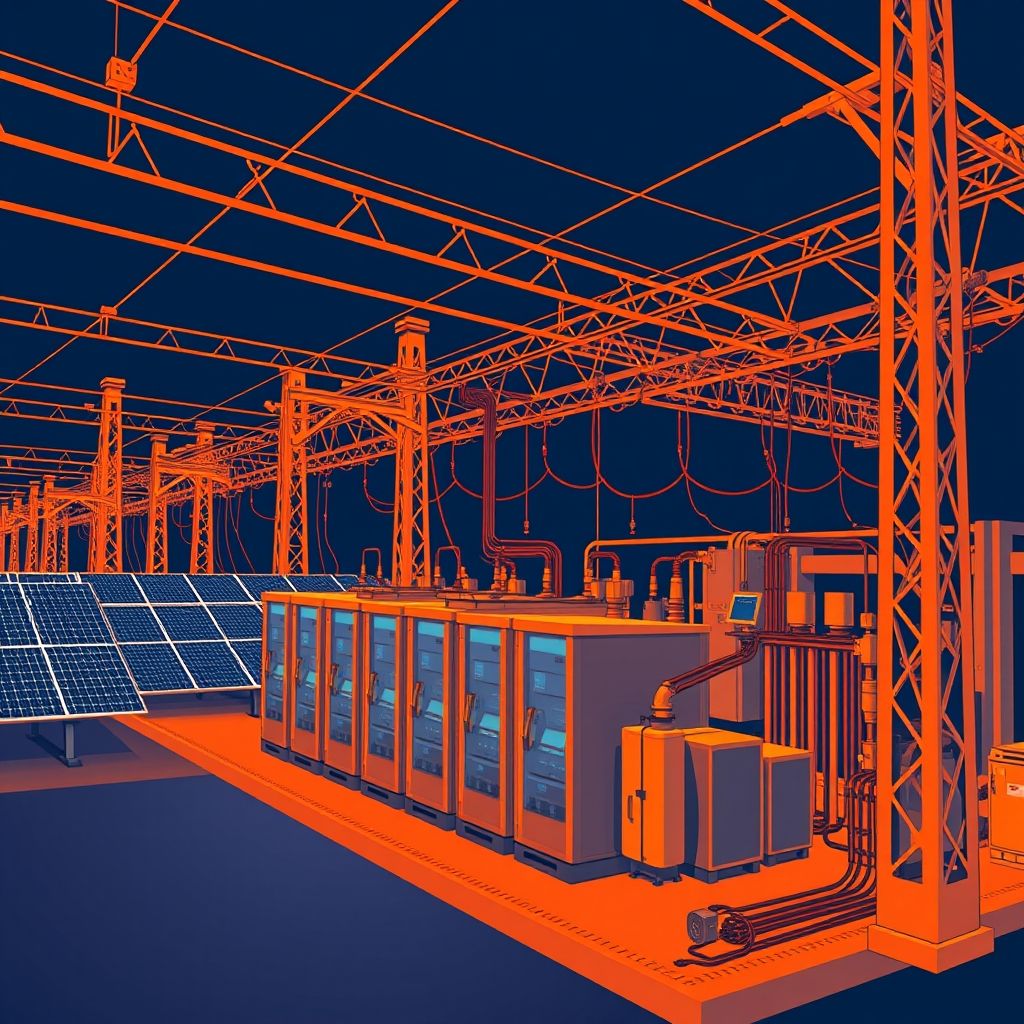
Nvidia will invest up to $3 billion in Lancium, a Texas-based power infrastructure developer, to secure electricity capacity for its Stargate AI supercomputing data center project — the clearest signal yet that power, not chips, has become the binding constraint on how fast AI companies can scale.
The Deal Structure
Nvidia's investment breaks into two parts: an initial $2 billion for approximately a 20% equity stake in Lancium, plus a contingent $1 billion tied to the company hitting specific grid interconnection milestones. Lancium, backed by Blackstone, currently carries a roughly $10 billion valuation and is reportedly exploring an IPO by 2027. As reported by The Information, the deal makes Nvidia one of Lancium's largest strategic shareholders rather than simply a customer.
Why Nvidia Is Buying Into a Power Company
Lancium's Abilene, Texas "Clean Campus" already hosts the first phase of Nvidia's Stargate supercomputing project and runs on a 1.2-gigawatt grid interconnect fully approved by ERCOT, the Texas grid operator. Lancium is developing a second gigawatt-scale campus in Childress, Texas, with a 1-gigawatt interconnect of its own. Both sites combine behind-the-meter battery storage, solar generation, and onsite gas generation, designed so the data centers function as grid-supportive assets that can shed load during demand spikes rather than straining the grid the way conventional data centers do.
That distinction matters because grid interconnection — not GPU supply — has become the primary bottleneck slowing new AI data center construction across the U.S. Getting a gigawatt-scale connection approved by a regional grid operator like ERCOT can take years under normal permitting timelines, and Lancium's specialization in fast-tracking those approvals through renewable and battery hybrid designs is precisely what Nvidia is paying for.
Part of a Broader Pattern
The Lancium deal follows a now-familiar playbook among hyperscale AI infrastructure buyers: rather than simply purchasing power under long-term contracts, chip and cloud companies are taking direct equity stakes in the energy developers that build it, giving them influence over siting, expansion timelines, and interconnection priority. Nvidia's move mirrors similar strategic investments by Microsoft, Google, and Amazon into nuclear, gas, and renewable power developers over the past two years, all chasing the same scarce resource: grid capacity that can be brought online fast enough to match the pace of GPU cluster deployment.
For Nvidia specifically, securing power for Stargate reduces its dependence on OpenAI's and Oracle's own infrastructure buildout timelines for the joint Stargate project, giving Nvidia more direct control over how quickly its largest AI supercomputing commitment can actually come online.
Originally reported by The Information. Read the original article for additional details.
View original source