NASA hands SpaceX $946 million more as Boeing's Starliner stays grounded for crew
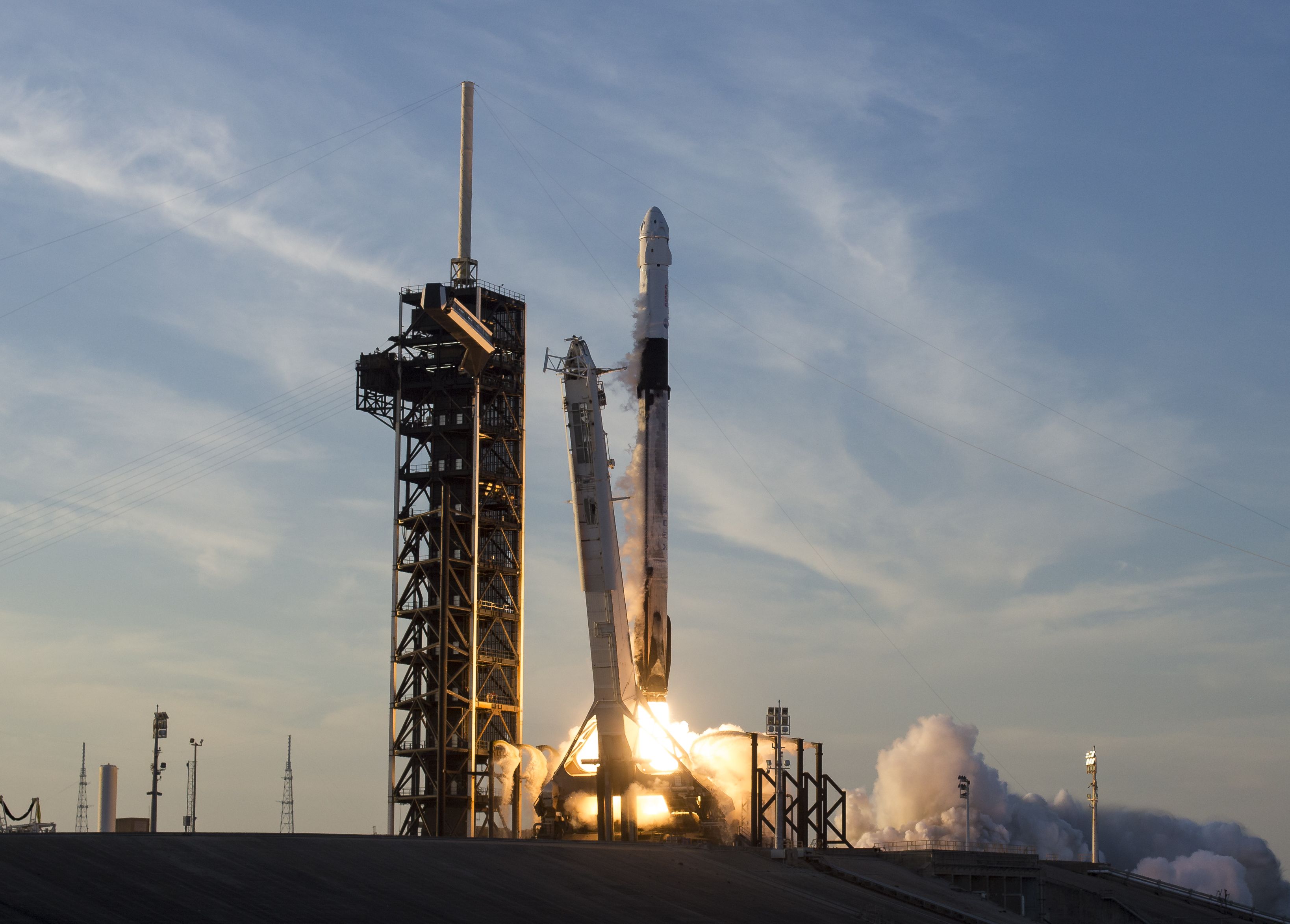
NASA awarded SpaceX a $946 million contract modification on September 18 for three additional crewed missions to the International Space Station, extending the company's Commercial Crew Transportation Capability (CCtCap) agreement through 2030. The new missions — Crew-15, Crew-16, and Crew-17 — bring SpaceX's total mission count under the contract to 17 and lift the agreement's overall value to $5.92 billion.
What the money actually covers
The award isn't just a launch fee. It covers ground processing, launch, on-orbit operations, and return and recovery for each mission, plus cargo transport alongside the crew and — notably — SpaceX's Dragon capsule serving as an emergency lifeboat for the crew while docked at the station. Readiness for the new missions is targeted for 2027 and 2028, with the ISS itself scheduled for retirement and deorbit in 2030, making these very likely among the final crewed missions to the current station before NASA transitions to commercial successor platforms.
The subtext: Boeing still isn't flying
NASA has publicly framed the expanded SpaceX award as part of a "two-provider strategy" meant to prevent a single technical failure from grounding American access to the ISS. In practice, that two-provider strategy has been theoretical for over two years. Boeing's Starliner completed its one and only crewed test flight in 2024, and it did not go well: propulsion system problems left astronauts Butch Wilmore and Suni Williams stranded on the station for more than nine months before they eventually returned to Earth aboard a SpaceX Dragon rather than the Starliner that brought them up.
Boeing's current CCtCap contract covers just four operational missions, compared to SpaceX's 17 after this modification — a ratio that reflects NASA's actual reliance on each provider rather than the two-provider strategy NASA describes in its own announcements. Boeing has an uncrewed Starliner cargo mission scheduled for the coming months, with a return to crewed flight not expected before the third quarter of 2027, assuming that mission goes cleanly.
Why the redundancy still matters even if it's lopsided
It would be easy to read this contract as evidence that Boeing's participation in Commercial Crew is symbolic at this point, but NASA's underlying logic remains sound even with a lopsided split. A single-provider dependency for crewed ISS access would mean any Dragon-specific issue — a parachute problem, a heat shield anomaly, anything grounding the fleet pending investigation — leaves NASA with no way to rotate crew or evacuate the station in an emergency. Boeing staying in the program, even at a fraction of SpaceX's flight cadence, preserves that fallback option in theory, assuming Starliner eventually returns to flight status.
For SpaceX, the contract extension is a predictable, high-margin revenue stream through the rest of the decade, insulated from the commercial launch market's price competition since it's a sole-source-adjacent government contract for a capability with exactly one working domestic alternative. The real number to watch going forward isn't the dollar figure — it's whether Starliner's uncrewed cargo run in the coming months goes well enough to put Boeing back on a credible path to sharing the crew rotation NASA says it wants.
Originally reported by NASA. Read the original article for additional details.
View original source