Mistral AI raises €3 billion in Europe's largest-ever tech funding round
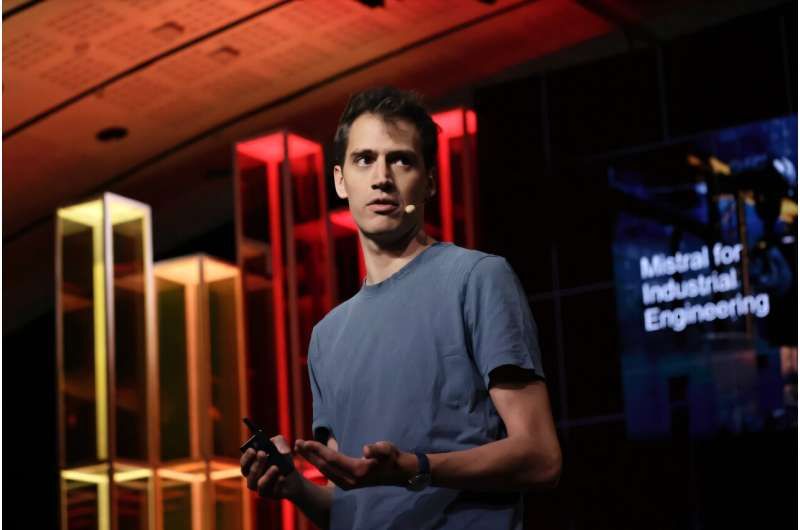
Paris-based AI startup Mistral has raised €3 billion ($3.5 billion) in a Samsung-led Series D round, reaching a €21 billion valuation and setting a new record for the largest equity fundraising by a European technology company.
Europe's Biggest Tech Round
The deal nearly doubles Mistral's €11.7 billion valuation from its previous raise a year ago and arrives as European AI labs race to stay competitive with heavily funded U.S. rivals. Samsung led the round alongside co-leads the Scaleup Europe Fund managed by EQT and existing backer PSG Equity.
New investors include Advent International, funds managed by BlackRock, and — notably — the Grand Duchy of Luxembourg, a sovereign-level institutional vote of confidence. Existing backers a16z, ASML, General Catalyst, Lightspeed, NVIDIA, and Salesforce Ventures all participated in the round.
What Mistral Plans to Do With It
CEO Arthur Mensch said the capital will accelerate research, products, and infrastructure, keeping organizations able to run AI on their own terms. Concretely, Mistral plans to build its first proprietary data center in France and expand its footprint across the Middle East, Asia, and North America.
The infrastructure push reflects Mistral's differentiation strategy: unlike OpenAI or Anthropic, Mistral offers open-weight models that companies can deploy entirely within their own environment — a major selling point for enterprises and governments wary of routing sensitive data through American cloud providers.
Context and Implications
The round comes as European institutions and governments increasingly treat AI infrastructure as a sovereignty issue. Luxembourg's participation alongside Samsung and BlackRock signals that the round is as much about strategic positioning as financial returns — powerful players are placing bets on non-U.S. AI before the window closes.
Mistral now sits in a different financial league than European AI peers. With €3 billion in fresh capital to build out compute infrastructure, the startup can compete for enterprise contracts that previously required the balance sheet of a hyperscaler.
Source: TechXplore, PYMNTS
Originally reported by TechXplore. Read the original article for additional details.
View original source