Microsoft pledges over $10 billion for Middle East cloud and AI buildout
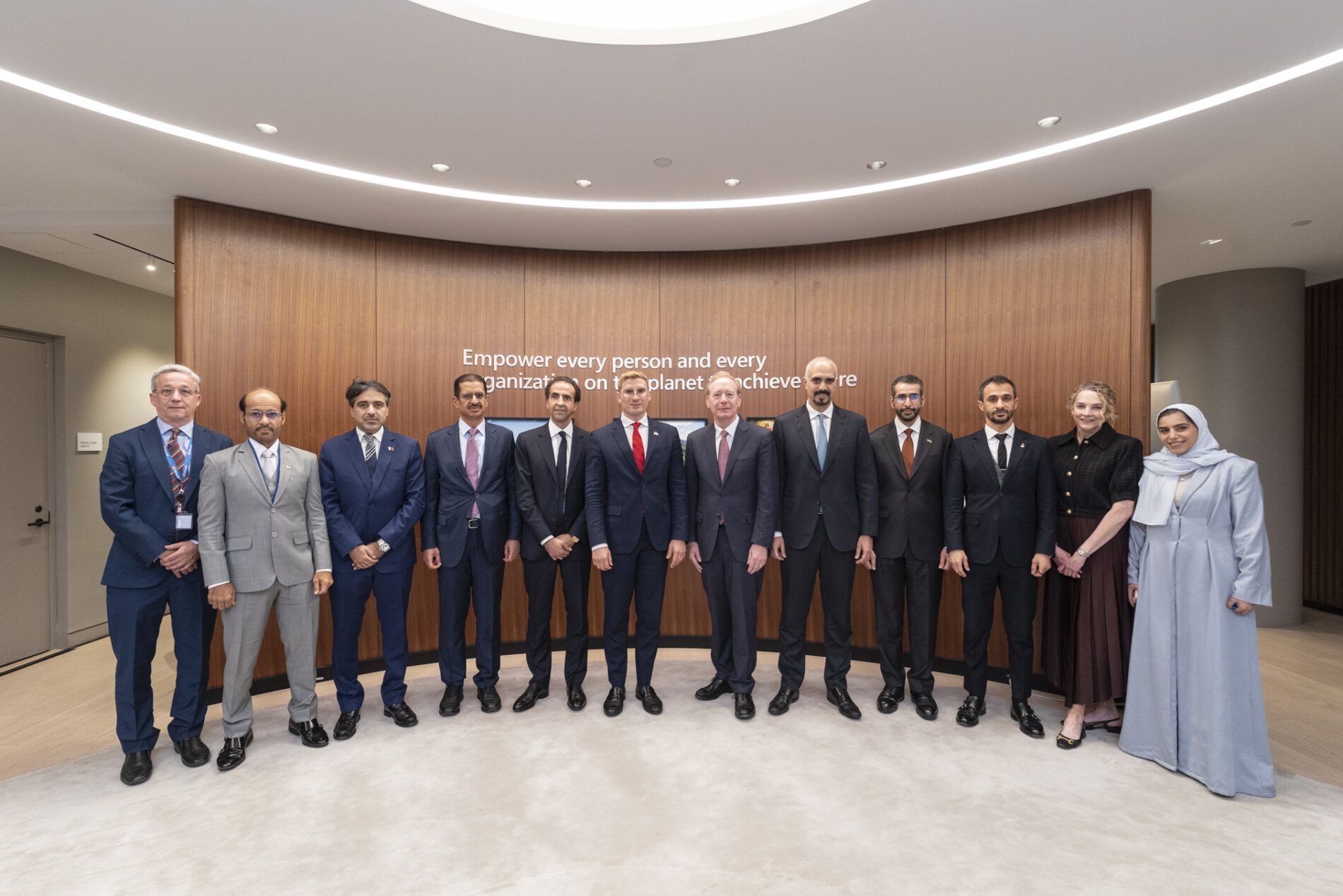
Microsoft announced on September 23rd a new investment framework for the Middle East, committing more than $10 billion in capital and operating expenses across Kuwait, Qatar, Saudi Arabia, and the United Arab Emirates through 2030. The pledge covers cloud and AI infrastructure expansion alongside a separate $400 million commitment to subsea and terrestrial connectivity in the region.
The announcement extends a buildout race that has intensified across the Gulf over the past two years, as governments there push to position themselves as AI infrastructure hubs rather than just AI consumers. Microsoft named specific regional partners it will deepen ties with under the framework: HUMAIN and G42 in the UAE, QAI in Qatar, and the Government of Kuwait, alongside integration work with national platforms including UAE's TAMM government services system, Saudi Arabia's SDAIA-built ALLaM Arabic-language model, and Qatar's TASMU smart-nation initiative.
The connectivity piece builds on the existing SeaMeWe-6 subsea cable system, which lands in Qatar, Saudi Arabia, and the UAE. Adding capacity here matters beyond raw bandwidth: AI workloads depend on low-latency connections between data centers and users, and the region's undersea cable capacity has historically lagged behind its compute ambitions.
"Microsoft's economic ties to the Middle East run deep," said Brad Smith, the company's vice chair and president, in the announcement, adding that the company sees its responsibility as extending beyond building AI capability to providing "the digital resilience, security and continuity it depends on." Naim Yazbeck, Microsoft's Middle East and Africa president, framed the investment as regional agency rather than dependency: countries in the region, he said, are "helping shape" AI's future themselves rather than waiting for it to be written elsewhere.
The digital resilience framing is notable given the region's geopolitical volatility — data center and connectivity investments in conflict-adjacent areas carry risks that don't apply to Microsoft's US or European buildouts, and the company's emphasis on security and continuity reads as an implicit acknowledgment of that exposure.
The investment lands amid broader competition for Gulf AI infrastructure spending: Gulf sovereign wealth funds have become significant investors in Western AI companies over the past two years, and hyperscalers including Microsoft, Google, and Amazon have all announced competing regional cloud expansions as governments in Saudi Arabia and the UAE seek to diversify away from oil revenue toward AI and data infrastructure as an economic pillar.
Originally reported by Microsoft. Read the original article for additional details.
View original source