iOS 27 ships today with the AI-powered Siri overhaul Apple promised in 2024
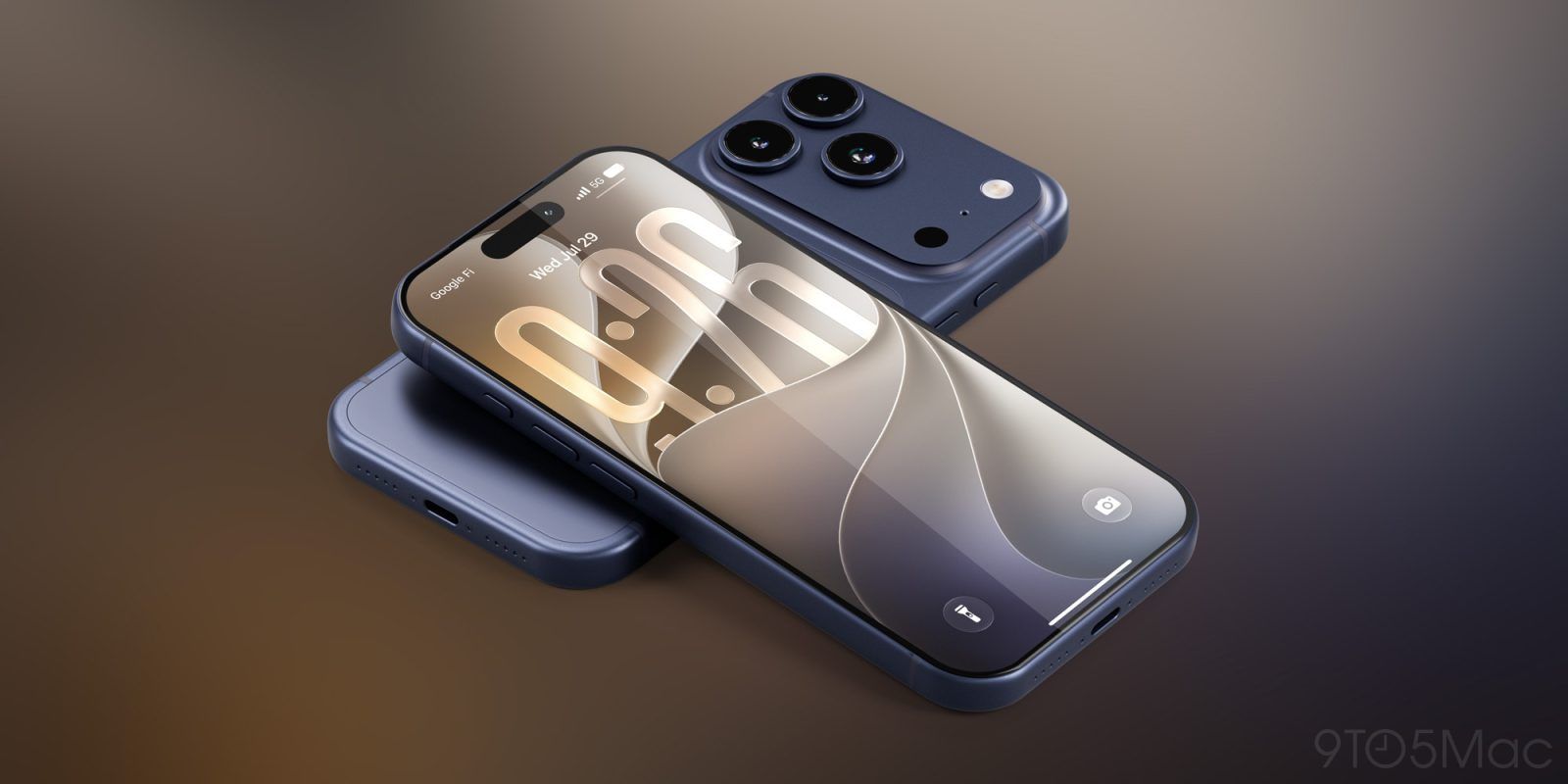
Apple began rolling out iOS 27 to compatible iPhones today, September 14, 2026, bringing with it the most significant rebuild of Siri in the assistant's history. The update adds conversational back-and-forth, text input, conversation history, and a new System Orchestrator that connects Apple Intelligence features across apps — the personalized, context-aware Siri that Apple first demonstrated at WWDC in June 2024.
What makes today's release notable isn't just the feature set — it's how long it took to ship. Apple originally promoted this version of Siri in advertising for the iPhone 16 in September 2024, then confirmed in March 2025 that the features were delayed to "the coming year." A second slip pushed the timeline to spring 2026, and the wait ultimately stretched to today's iOS 27 release — roughly two years after Apple first showed the technology on stage. Along the way, Apple agreed to pay $250 million to settle a class-action lawsuit accusing the company of false advertising over Siri features it marketed before they were ready to ship.
What the new Siri actually does
The rebuilt Siri behaves closer to a general-purpose AI assistant than Apple's prior voice assistant. It supports full conversational exchanges with follow-up questions, accepts typed input instead of requiring speech, and keeps conversation history so users don't have to restate context. Siri is also integrated into Spotlight search and gains a dedicated mode inside the Camera app for Visual Intelligence tasks — pointing the camera at a bill to split it, or at food to look up nutritional information, for example. According to Apple's release notes, Siri can now incorporate screenshots and captured images directly as query context, and gains a new writing-assistance mode that drafts and refines text in a user's own communication style.
The rest of iOS 27 extends Apple Intelligence further into the built-in apps. Photos adds an Extend tool that generates image content beyond a photo's original frame and a Spatial Reframe tool for changing perspective. Safari organizes tabs by topic and can monitor webpages for changes. Home summarizes notifications and adds video search. Parental controls were redesigned with simplified child account setup and expanded website-permission controls, and Screen Time adds Communication Safety detection for graphic imagery.
Not every iPhone gets the same experience
iOS 27 itself installs on any iPhone SE (2nd generation) or later, but the AI-powered Siri features require an iPhone 15 Pro or Pro Max, or an iPhone 16 or later — meaning a meaningful slice of the active iPhone install base will get the update without its headline feature. Apple Intelligence's Siri overhaul is also launching in English only; the company says additional languages will roll out later in 2026, mirroring the staggered rollout pattern Apple Intelligence has followed since its initial 2024 debut.
Why the delay mattered
Apple has attributed the repeated slips to the difficulty of giving Siri deep, secure access to personal context — reading a user's messages, files, and app data to complete tasks on their behalf — without compromising privacy or reliability. That explanation lines up with the broader industry pattern this week: OpenAI, Anthropic, and other AI labs have been publicly discussing the tension between shipping capable AI systems quickly and ensuring they're safe and predictable first. For Apple specifically, the cost of getting it wrong was concrete rather than hypothetical — a nine-figure legal settlement over marketing promises the engineering team couldn't yet keep.
Today's release closes that chapter, but only partially. With English-only availability at launch and a device-compatibility cutoff that excludes a large share of iPhones still in daily use, the real test of whether Apple's rebuilt Siri lives up to two years of promises will play out over the next several weeks, as it reaches a wider set of users, languages, and real-world tasks than any pre-launch demo could cover.
Originally reported by 9to5Mac. Read the original article for additional details.
View original source