Google Opens Preorders for Intelligent Eyewear, Its Gemini-Powered Answer to Meta's Ray-Bans
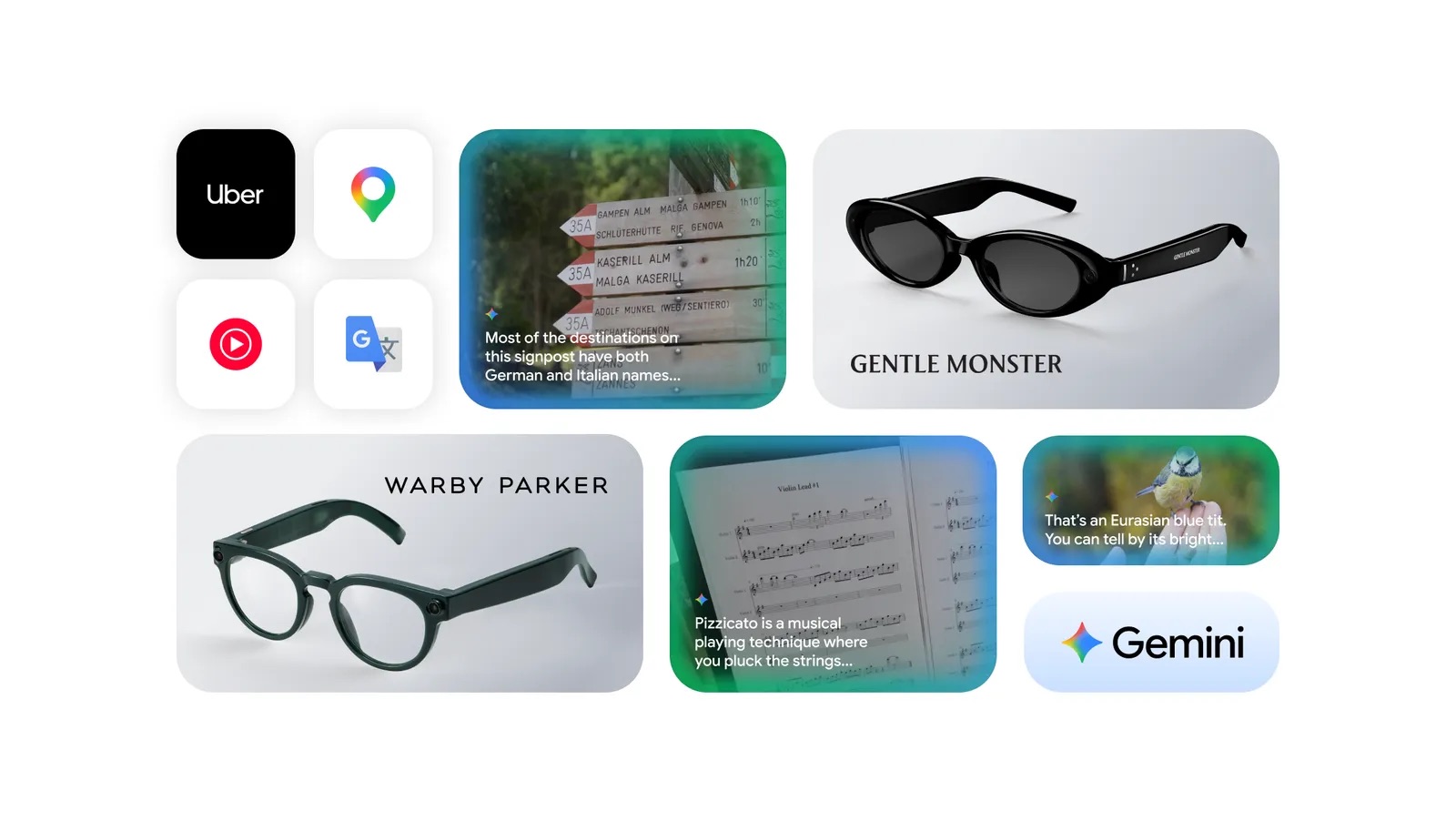
Preorders opened November 12 for Intelligent Eyewear, the smart glasses platform Google first showed off at I/O 2026, with Warby Parker and Gentle Monster offering the first styled frames. Warby Parker confirmed the preorder date in its own third-quarter earnings release, and both brands say customer orders will ship during the holiday season. Neither company has published pricing yet; pre-launch estimates have ranged from roughly $300 to $500, but Google, Samsung, and the two eyewear brands have all declined to confirm a figure so far.
The glasses run Android XR, the platform Google built for headsets and smart glasses, and Samsung engineers the underlying hardware that Warby Parker and Gentle Monster wrap in their own frame designs — a split similar to how Meta partnered with Ray-Ban's parent EssilorLuxottica rather than building its own eyewear brand. This first generation skips an in-lens display entirely, focusing instead on audio and a built-in camera: Google has said a version with a small display will follow later. Samsung has confirmed roughly nine hours of battery life per charge, with the charging case providing several additional full charges, and the glasses run on Qualcomm's Snapdragon AR1 Gen 1 chip.
The core pitch is Gemini, accessible through a voice hotword, which can identify objects and signs the camera sees, translate speech in real time, and give walking directions without the wearer pulling out a phone. Critically, Google says the glasses work with both Android and iOS devices — a notable decision, since Google's own Pixel phones represent a small fraction of the market these glasses need to reach to compete. Meta's Ray-Ban Display and earlier Ray-Ban Meta glasses, by contrast, work across phone platforms too, and have already sold in the millions, giving Meta a head start in normalizing camera-equipped eyewear with the public.
Google has tried smart eyewear once before: Google Glass launched in 2013 to intense privacy backlash and never reached a mass consumer audience before the company discontinued it in 2015. Intelligent Eyewear's strategy — partnering with eyewear brands people already associate with everyday glasses rather than a standalone tech-branded device, and building in a visible recording indicator light — looks like a direct response to that failure. Whether it works will depend heavily on a detail still missing from this launch: what the glasses actually cost once Warby Parker and Gentle Monster's full collections go live this holiday season.
Originally reported by Google. Read the original article for additional details.
View original source