FAA clears SpaceX to fly Starship again after May booster failure
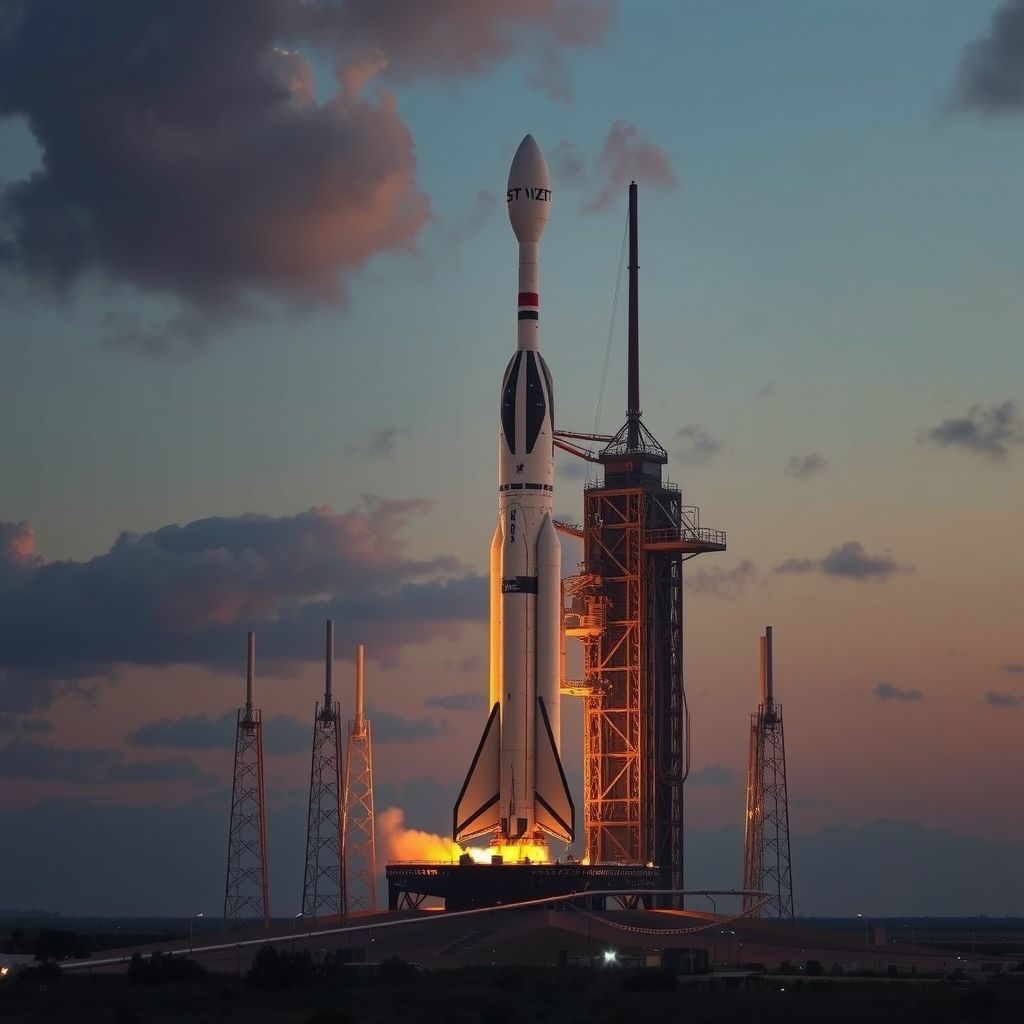
The Federal Aviation Administration cleared SpaceX to resume Starship test flights on Monday, July 13, closing out its investigation into the May 22 failure of a Super Heavy booster that did not survive its return to the launch site. SpaceX says the next flight could happen as soon as Thursday, July 16.
What went wrong in May
According to the FAA, the most probable root causes of the May failure were heat effects on propulsion system components during the rocket's ascent, combined with erroneous engine alarm system settings. SpaceX's own investigation found that slight differences in engine startup timing on the ship caused the booster to rotate incorrectly at stage separation, which then prevented the engines from re-igniting properly for the landing burn back at the launch site.
SpaceX says it has since modified both the engine startup sequence and the alarm system logic that contributed to the failure, changes the FAA reviewed as part of clearing the vehicle to fly again.
A significant flight for a newly public company
The upcoming test will be SpaceX's first Starship flight since the company completed its initial public offering on June 12, 2026, making it the first Starship launch conducted as a publicly traded company. The flight also carries operational significance beyond the IPO milestone: it will be the first Starship mission to carry actual third-generation Starlink satellites, rather than the mass simulators or non-functional payloads used in earlier test flights.
Why the FAA review matters
Starship is central to SpaceX's plans for Starlink expansion, NASA's Artemis lunar lander program, and the company's stated ambitions for Mars missions, making FAA flight clearance a closely watched gating step after any anomaly. The May failure was one of several booster or ship losses across Starship's test campaign — the vehicle has flown 12 times as of this program, with a mix of successes and failures typical of an aggressive iterative test approach that SpaceX has used since the vehicle's earliest flights.
A successful Thursday flight carrying real Starlink hardware would mark a concrete step toward Starship's transition from a pure test vehicle to an operational launch system.
Originally reported by TechCrunch. Read the original article for additional details.
View original source