ByteDance and Alibaba Shut Down AI Companion Agents Ahead of China's New Anthropomorphic AI Law
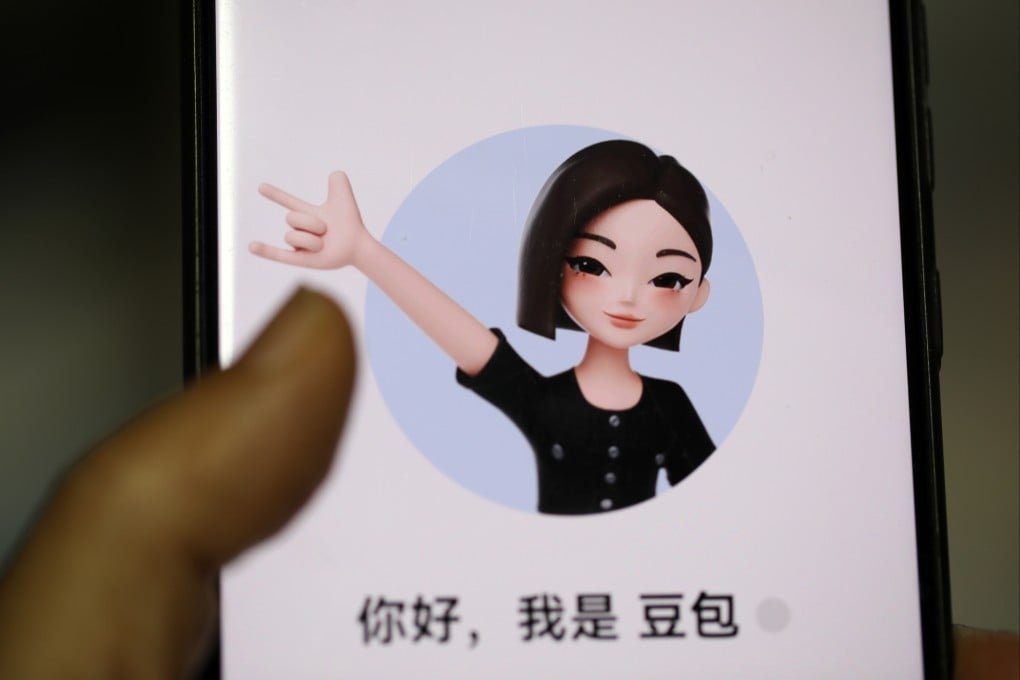
ByteDance's Doubao and Alibaba's Qwen are pulling their customized AI companion agent features offline this month, unable to bring their systems into compliance before a new Chinese regulation on humanlike AI takes effect on July 15. Doubao notified users on a Friday night that its agent feature would go offline on July 15, citing "product function adjustments." Qwen followed with its own notice a day later, saying its "humanlike interactive agents and user-created agent functions" would be disabled July 10, with broader agent services following on July 15.
What the New Rules Require
The shutdowns are driven by China's Interim Measures for the Administration of Anthropomorphic AI Interaction Services, issued in April 2026 by the Cyberspace Administration of China alongside four other regulatory bodies, including the Ministry of Industry and Information Technology and the Ministry of Public Security. The rules specifically target AI services designed to simulate human personality, thinking patterns, and sustained emotional interaction — the category both Doubao and Qwen's custom agent features fall into.
The measures prohibit content that encourages self-harm or suicide, ban design patterns that "excessively cater to users to induce emotional dependence or addiction," and outlaw emotional manipulation intended to push users toward unreasonable decisions. For services reaching users under 14, the rules mandate parental consent and require dedicated "minor modes" with usage time limits and prompts to return to real-world interaction. Companies must also implement tiered intervention systems capable of detecting extreme emotional states and escalating to guardians or emergency contacts when a user shows signs of self-harm risk or significant financial distress.
Any service with more than 1 million registered users or 100,000 monthly active users triggers a mandatory security assessment covering eight areas, including training data handling and minor-protection mechanisms. Because anthropomorphic interactive services also qualify as generative AI, algorithmic recommendation, and deep synthesis services under existing Chinese law, providers must simultaneously satisfy several overlapping regulatory regimes at once — a compliance burden neither ByteDance nor Alibaba could clear in the roughly three months since the rules were finalized.
What Happens to User Data
ByteDance's wind-down plan gives Doubao users a grace period rather than an immediate data wipe. After the July 15 shutoff, users retain temporary read-only access to their agent configurations and chat histories through October 15, 2026. After that date, the data will be processed under Doubao's standard privacy policy and become permanently inaccessible within the app. ByteDance is directing displaced users to Maoxiang, a separate company app, positioning it as the destination for anyone who wants to keep building custom agents — suggesting ByteDance intends to concentrate compliant agent functionality in one purpose-built product rather than retrofit Doubao's broader assistant.
Why This Matters Beyond China
The shutdowns illustrate how quickly a specific regulatory category — AI companions and emotionally responsive agents — can force product changes at scale once a government sets a hard compliance deadline, even for companies with the engineering resources of ByteDance and Alibaba. Exemptions in the rules for customer service bots, workplace assistants, and educational tools without emotional-interaction components show Chinese regulators are drawing a narrow, deliberate line around companion-style AI specifically, rather than agentic AI broadly.
For global AI companies watching from outside China, the episode is an early test case for how anthropomorphic AI regulation gets enforced in practice: not through gradual fines, but through platforms voluntarily disabling non-compliant features ahead of a fixed deadline rather than risk being caught in violation on day one.
The story was first reported by South China Morning Post.
Originally reported by South China Morning Post. Read the original article for additional details.
View original source