Apple sues OpenAI, alleging hardware chief led two-year trade-secret theft scheme
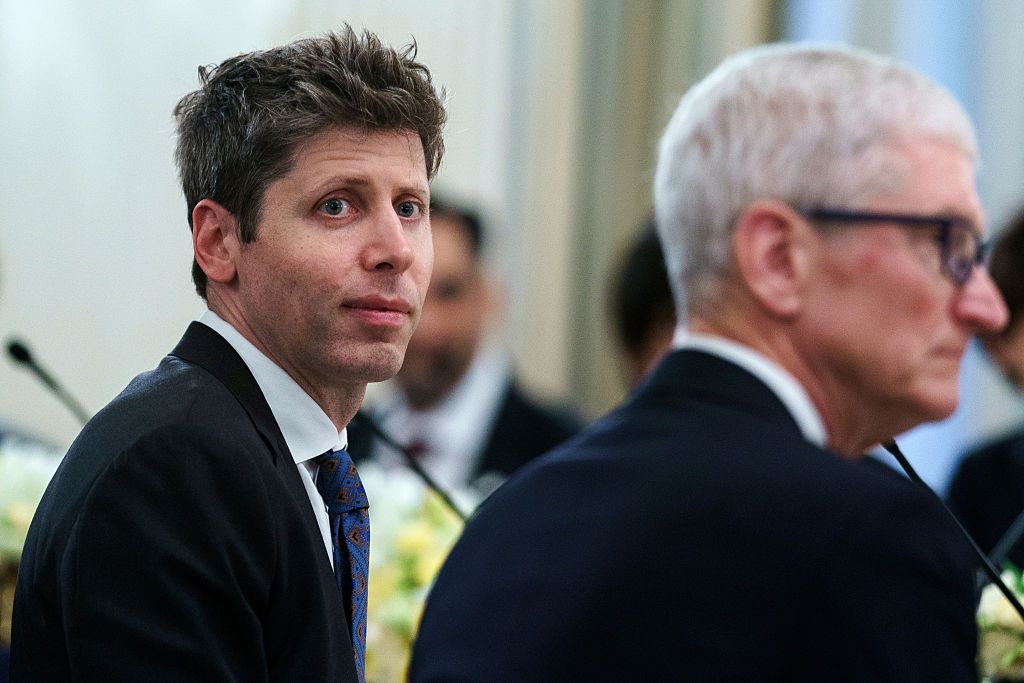
Apple has sued OpenAI in the U.S. District Court for the Northern District of California, accusing the AI lab of orchestrating a systematic theft of confidential hardware designs and trade secrets. The complaint, filed Thursday, July 10, 2026, names OpenAI's Chief Hardware Officer Tang Tan as the central figure — a former 24-year Apple employee who most recently served as VP of product design for the iPhone and Apple Watch.
The lawsuit alleges the misconduct ran "at every level, from members of its Technical Staff to its Chief Hardware Officer, and in coordination with business partners." Apple says Tan used the company's internal project code names during OpenAI recruiting sessions, asked job candidates to bring Apple hardware components to their interviews, and coached departing employees on how to evade Apple's security procedures.
A second employee named
The complaint also names Chang Liu, a senior systems electrical engineer who spent eight years at Apple before joining OpenAI in 2026. Apple says Liu failed to return a company-issued laptop when he left and used it to download confidential technical documents. Apple first sent a letter raising these concerns in February 2026 but says it received no response.
The backstory: a $6.4 billion bet on hardware
The timing and context matter. Relations between Apple and OpenAI had been cordial — even collaborative — as recently as 2024, when Apple integrated ChatGPT directly into iOS. But the relationship chilled sharply after OpenAI acquired Jony Ive's hardware startup IO Products for $6.4 billion last year, signaling a direct move into consumer devices. Tang Tan, whose design expertise is central to Apple's hardware identity, left Apple for OpenAI shortly after.
Apple's lawsuit specifically alleges that a proprietary metal finishing technique was among the stolen materials, and that Tan misrepresented having Apple's permission to share it with third parties.
What Apple wants
Apple is seeking injunctive relief to bar OpenAI from using or disclosing its trade secrets, an order requiring the return of all confidential materials, preservation of evidence, and unspecified damages. OpenAI responded: "We have no interest in other companies' trade secrets. We remain focused on building innovative technology that empowers people everywhere."
The case sets up a major legal confrontation between two of the most valuable companies in the world, with implications for how AI hardware startups recruit from incumbent tech giants — and how aggressively those incumbents will protect their design pipelines. As reported by TechCrunch and confirmed by CNBC and Bloomberg.
Originally reported by TechCrunch. Read the original article for additional details.
View original source