Apple pushes smart glasses launch to WWDC 2027, prioritizing privacy over speed to market
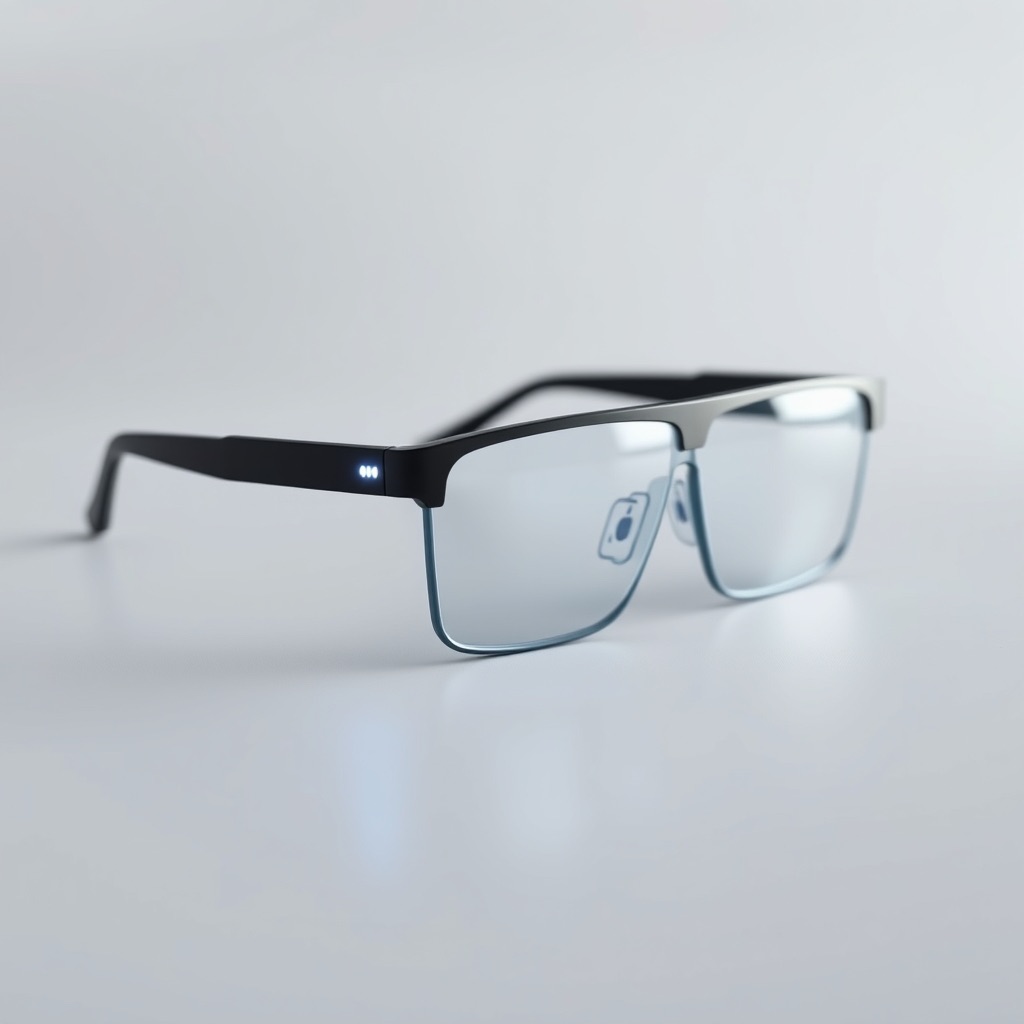
Apple has pushed back the unveiling of its first smart glasses to WWDC in June 2027, with a consumer release following later that year, according to a Bloomberg report corroborated by MacRumors and Korea JoongAng Daily on July 26-27, 2026. The device, internally codenamed N50, was previously expected to debut in late 2026 or early 2027.
Privacy, Not Hardware, Is the Holdup
The delay traces specifically to Apple's engineering and marketing teams prioritizing privacy protections around the device's built-in cameras and AI features, rather than a hardware or manufacturing setback. Apple is reportedly developing privacy safeguards not present in any of its current products, including fully on-device processing, avoiding facial recognition entirely, limiting continuous environmental scanning, and a firm policy against using recordings captured by the glasses to train AI models. The company has also considered shipping camera-free versions, or versions where the camera is restricted to AI scene understanding with no photo or video recording capability at all.
Learning From Meta's Backlash
The privacy-first strategy is a direct response to the reception Meta's Ray-Ban smart glasses have received. Meta's glasses have drawn sustained criticism over the potential for covert recording in public spaces and became the subject of a class-action lawsuit over privacy concerns. Apple is expected to match some of Meta's existing safeguards — such as a visible recording-indicator LED that can't be disabled without also disabling the camera — while going further with additional restrictions Meta hasn't adopted, in an explicit bid to position privacy as its main point of differentiation against Meta in a category Meta currently leads.
Why the Timing Matters
A roughly six-month slip from early 2027 to a June 2027 WWDC unveiling is a meaningful delay for a product Apple has been developing for years as a response to Meta's head start in AI-powered eyewear. It also means Apple will spend at least one more full holiday shopping season without a glasses product on shelves while Meta continues shipping and iterating on Ray-Ban Meta hardware. The bet Apple is making is that a privacy-differentiated product arriving later beats a faster launch that invites the same backlash Meta has faced — a strategy that only pays off if consumers actually weigh privacy features heavily when choosing camera-equipped wearables, which hasn't yet been tested at scale for this product category.
As reported by MacRumors, citing an original Bloomberg report.
Originally reported by MacRumors. Read the original article for additional details.
View original source